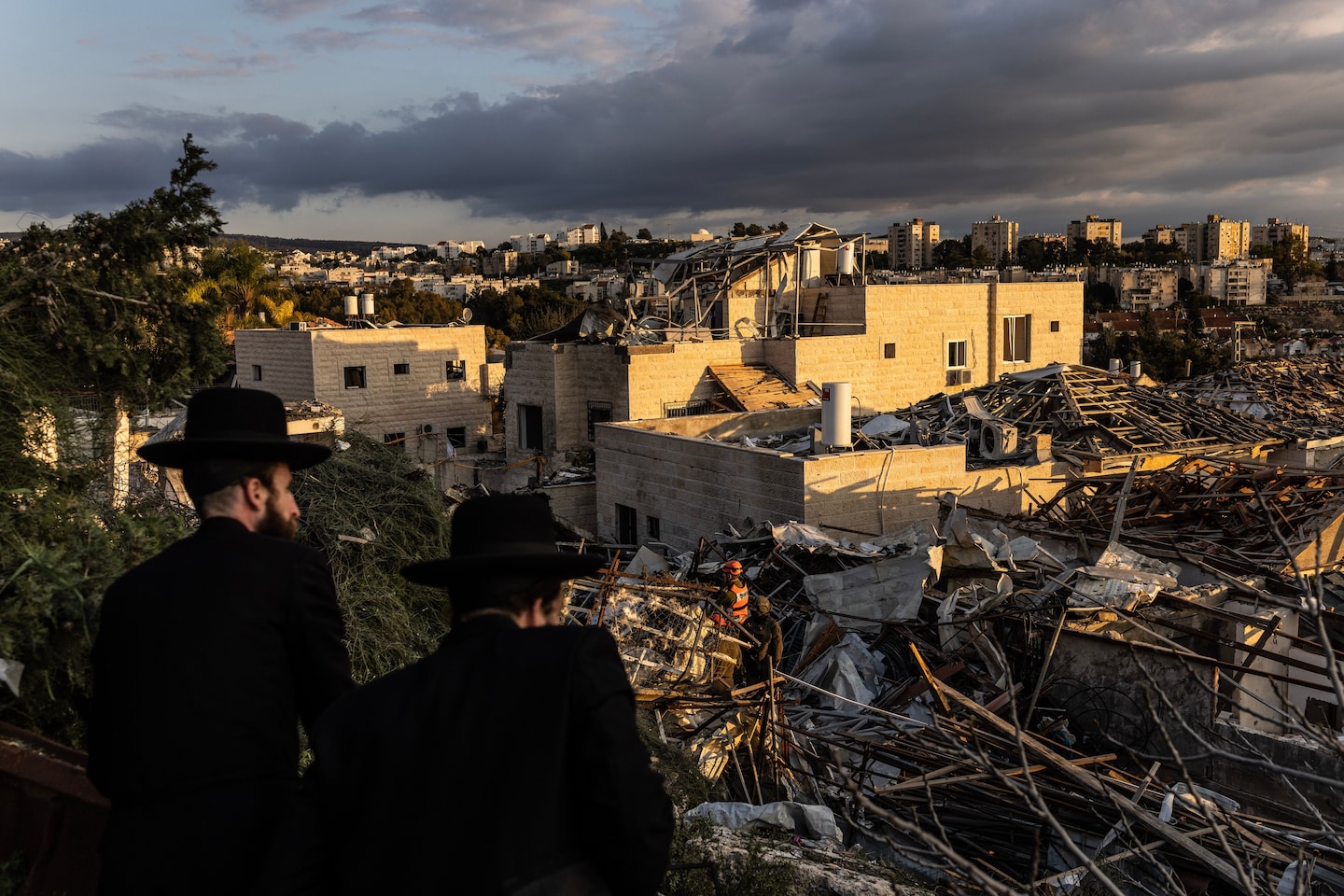
The 72-Hour Domino: How a Middle East Conflict Threatens 300 Million
In a chilling demonstration of modern geopolitical fragility, a conflict initially contained within specific targets in Iran, Israel, and Iraq has, in less than three days, spiraled outwards to cast a shadow over more than a dozen nations. This rapid escalation, threatening the lives and stability of some 300 million civilians, underscores the precarious state of the Middle East and the interconnectedness of global security.
The Flashpoint: From Local Clash to Regional Inferno
The initial exchanges, including U.S. and Israeli warplanes striking Iranian targets, were not unforeseen. Officials in Washington and Jerusalem had reportedly gamed out various scenarios, anticipating retaliation in the form of missile salvos and sophisticated cyberattacks. This pre-emptive bracing, however, could not fully contain the immediate and widespread ricochet effect witnessed across the region.
What began as targeted strikes and anticipated counter-responses quickly transcended geographical and political boundaries. The inherent complexities of the Middle East, with its dense web of alliances, proxy forces, and deep-seated historical grievances, provided fertile ground for the conflict to metastasize with alarming speed.
A Domino Effect: How 72 Hours Reshaped the Landscape
The concept of a 'domino effect' has rarely been more starkly illustrated. Within just 72 hours, the kinetic energy of the conflict surged far beyond its original points of ignition. Nations that were merely observers quickly found themselves either directly or indirectly drawn into the expanding crisis. From the Gulf states to the Levant, the ripple effects manifested as heightened security alerts, economic anxieties, and a palpable sense of dread among populations.
The sheer scale of the potential human impact is staggering: 300 million civilians now face the looming threat of instability, displacement, and economic hardship. This isn't merely a statistic; it represents families, communities, and entire societies grappling with the prospect of their lives being upended by forces beyond their control. Infrastructure, trade routes, and vital energy supplies are all at risk, painting a grim picture for the global economy.
Beyond Conventional Warfare: Missiles, Cyber, and Propaganda
The anticipated retaliation isn't limited to traditional military engagements. Modern conflicts are multi-faceted. The threat of sophisticated cyberattacks targeting critical infrastructure – from energy grids to financial systems – adds another layer of vulnerability. Simultaneously, a robust information war unfolds, with state-sponsored media and social platforms used to shape narratives, sow discord, and galvanize support, further complicating de-escalation efforts.
The Perilous Path Ahead: Implications for Global Stability
The rapid escalation demands urgent international attention. The potential for miscalculation, given the high stakes and numerous actors, is immense. De-escalation strategies, diplomatic channels, and robust international mediation are crucial to prevent a full-blown regional catastrophe that could have significant global repercussions.
The humanitarian crisis that could ensue would overwhelm regional and international aid efforts. Furthermore, the economic fallout, particularly concerning energy markets and international trade routes, would be felt worldwide, potentially triggering a global recession. The swiftness of this expansion serves as a stark reminder that in our interconnected world, no conflict is truly localized.
As the Middle East stands at a critical juncture, the coming days and weeks will be pivotal. The international community watches with bated breath, hoping that diplomacy and restraint can prevail over the spiraling trajectory of conflict, safeguarding the millions of lives now hanging in the balance.