By NovaPress Editorial Board
Airlines as Lifelines: The Global Scramble to Evacuate Citizens from a Volatile Middle East

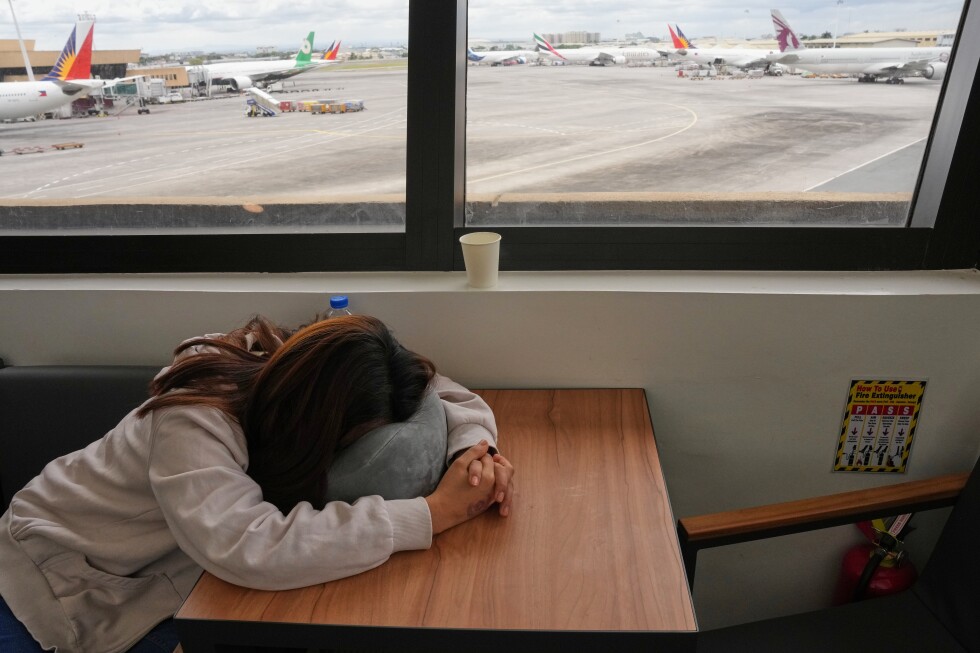
LONDON – In a stark testament to the escalating geopolitical instability gripping the Middle East, a limited number of international flights have commenced operations from the United Arab Emirates, initiating a critical global effort to extract tens of thousands of citizens stranded by war-driven airspace closures. What began as a regional conflict has spiraled into an unprecedented logistical and humanitarian challenge, transforming major aviation hubs like Dubai into temporary waiting rooms for those desperate to return home.
The Unfolding Crisis: Airspace Closures and Stranded Travelers
The past weeks have seen a dramatic expansion of military activities across parts of the Middle East, leading to the closure of vast swathes of airspace. This measure, while necessary for security, has inadvertently trapped a significant international population, including tourists, expatriates, and business travelers. The UAE, a pivotal transit point for global air traffic, found its airports overflowing with individuals caught in the crosscurrents of conflict.
Airlines like Emirates, Etihad, and FlyDubai, usually symbols of seamless global connectivity, are now operating under extraordinary circumstances. Their decision to resume select departures, announced earlier this week, marks a cautious and coordinated move to facilitate these essential evacuations, working in tandem with various national governments.
A Global Collaborative Lifeline
The current operation is a complex mosaic of international collaboration, requiring delicate diplomatic negotiations and intricate logistical planning. Governments worldwide are mobilizing resources, from consular services processing emergency travel documents to coordinating with airlines and local authorities in the UAE. This isn't just about booking a flight; it’s about navigating active conflict zones, securing safe passage, and ensuring the wellbeing of evacuees.
For the thousands stuck, these flights represent not just a means of transport, but a glimmer of hope. Families separated, individuals with expiring visas, and those simply seeking safety are all pinning their hopes on these limited routes. The emotional toll of uncertainty, coupled with the immediate danger of proximity to conflict, is immense.
The Lingering Questions: Future of Regional Travel and Security
While the immediate focus is on evacuation, the broader implications of this crisis for regional and international travel are profound. The current scenario highlights the extreme vulnerability of aviation to geopolitical events, especially in areas considered critical hubs. How will airlines adapt their risk assessments? Will flight paths be permanently altered? What does this mean for the UAE's reputation as a stable, accessible global nexus?
Furthermore, the incident underscores the critical importance of robust emergency response protocols for governments and airlines alike. The scale of the current stranding suggests that many might have been caught unprepared for such a rapid deterioration of regional stability and its impact on civilian travel.
Beyond the Headlines: The Human Cost
Behind every flight manifest is a personal story of anxiety, disruption, and relief. As these limited flights take off, they carry with them not just passengers, but the hopes and fears of families. The immediate success of these evacuation efforts will be measured in lives safely returned, but the long-term lessons about global preparedness, diplomatic agility, and the human cost of conflict will resonate for years to come. The world watches as the skies above the Middle East, once conduits for commerce and tourism, now serve as critical lifelines in a desperate effort to bring people home.