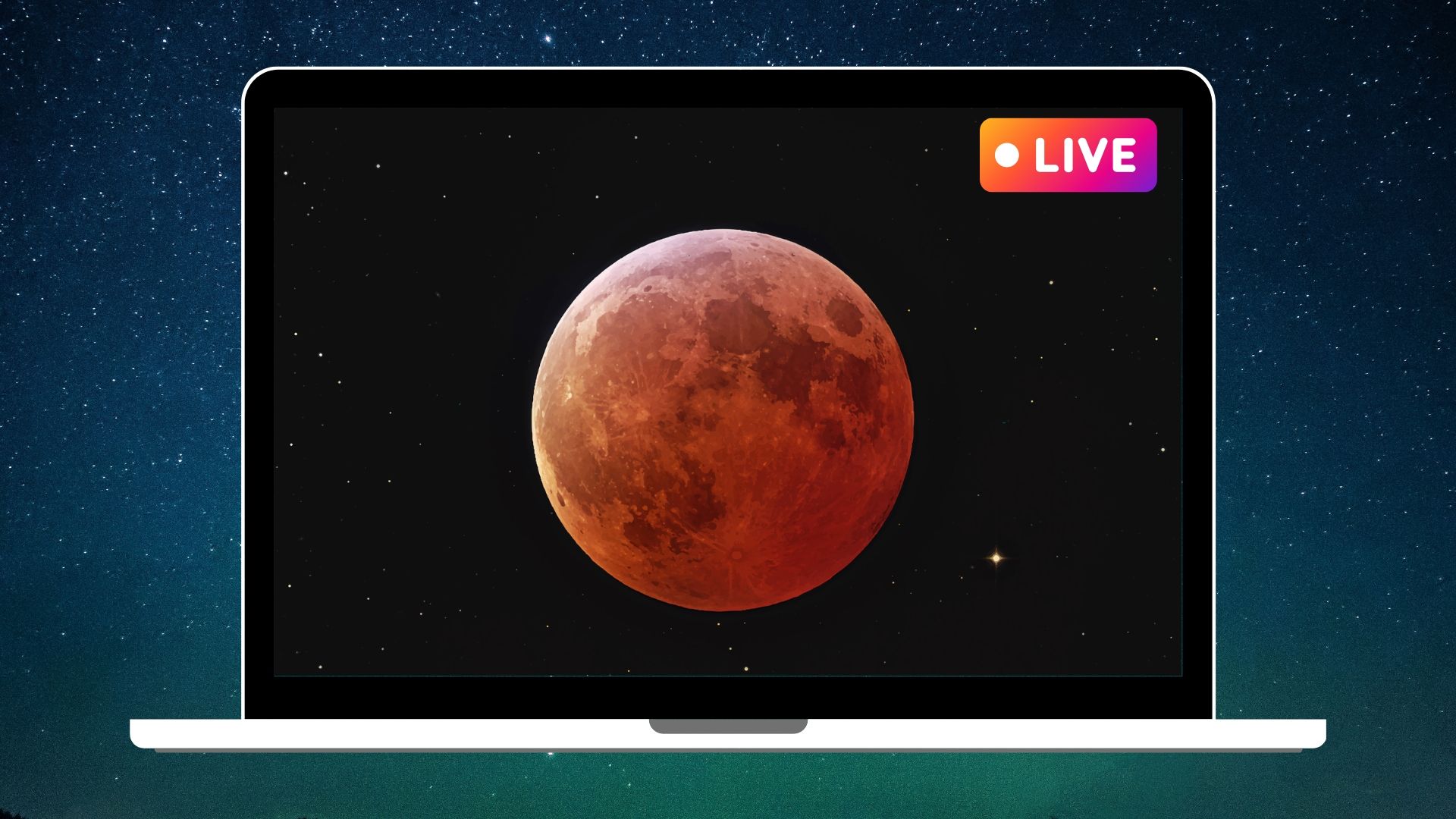
The Crimson Countdown: Why March 3's Blood Moon Is a Must-See Event Until 2028
As the early hours of March 3 approach, skywatchers and casual observers alike are bracing for a celestial spectacle that is both breathtakingly beautiful and remarkably rare: a total lunar eclipse, commonly known as a 'Blood Moon'. This event isn't just another entry in the astronomical calendar; it marks a significant milestone, being the last such phenomenon visible until New Year's Eve 2028. For many, this presents a unique, fleeting opportunity to witness one of nature's most dramatic astronomical performances.
Understanding the 'Blood Moon' Phenomenon
A Blood Moon occurs during a total lunar eclipse, when the Earth passes directly between the Sun and the Moon, casting a shadow that fully envelops our lunar neighbor. While one might expect the Moon to disappear entirely, it instead often takes on a stunning reddish-orange hue. This captivating coloration is due to a phenomenon called Rayleigh scattering, the same process that makes Earth's sunsets and sunrises appear red.
As sunlight travels through Earth's atmosphere, shorter-wavelength blue light is scattered away, while longer-wavelength red and orange light penetrates through. This red light is then refracted, or bent, towards the Moon. Essentially, a Blood Moon is a simultaneous display of all the sunrises and sunsets happening across the Earth, projected onto the lunar surface. It's a cosmic dance of light and shadow, filtered by our planet's very own atmospheric lens.
The Rarity Factor: Why March 3rd Matters
What elevates the upcoming March 3rd Blood Moon from a mere astronomical event to a truly significant one is its pronounced rarity in the near future. Following this eclipse, the next total lunar eclipse visible will not occur until New Year's Eve of 2028. This five-year hiatus underscores the importance of seizing this moment. For enthusiasts and educators, it's a prime opportunity to engage with the public, fostering a deeper appreciation for space and science.
The gap between total lunar eclipses can vary, but a half-decade wait highlights the dynamic and often unpredictable nature of celestial mechanics. It reminds us that while the universe operates on grand timescales, certain alignments are fleeting from our perspective, making each viewing opportunity a precious one.
How to Witness the Spectacle
Given the early morning timing, many will rely on technology to bring the distant spectacle closer. Numerous space agencies and observatories worldwide are expected to offer free livestreams, ensuring that everyone, regardless of their geographical location or local weather conditions, can experience the event. These digital portals provide high-definition views, often accompanied by expert commentary, enriching the viewing experience and providing valuable scientific context.
- Livestreams: Check reputable astronomy websites (like Space.com, NASA, European Space Agency) for confirmed streaming links closer to the date.
- Naked Eye Viewing: If weather permits and you are in a location where the eclipse is visible, no special equipment is needed. Just find an unobstructed view of the moon.
- Binoculars/Telescopes: For a more detailed view, binoculars or a small telescope can enhance the subtle colors and textures of the lunar surface during the eclipse.
Beyond the Visual: Future Implications and Scientific Context
While the immediate appeal of a Blood Moon is its visual grandeur, these events also carry scientific significance. Lunar eclipses have historically been used to study Earth's atmosphere and its effects on light. Modern instruments continue to gather data during these events, contributing to our understanding of atmospheric composition, particulate matter, and even climate patterns over time.
Moreover, the predictable yet infrequent nature of total lunar eclipses serves as a powerful reminder of our place in the cosmos. They inspire curiosity, spark scientific inquiry, and unite communities across the globe as millions look up at the same mesmerizing sight. As we anticipate the March 3rd event, we're not just watching a cosmic show; we're participating in a shared human experience, one that encourages us to ponder the vastness and beauty of the universe, and to count down the years until its next dramatic return.