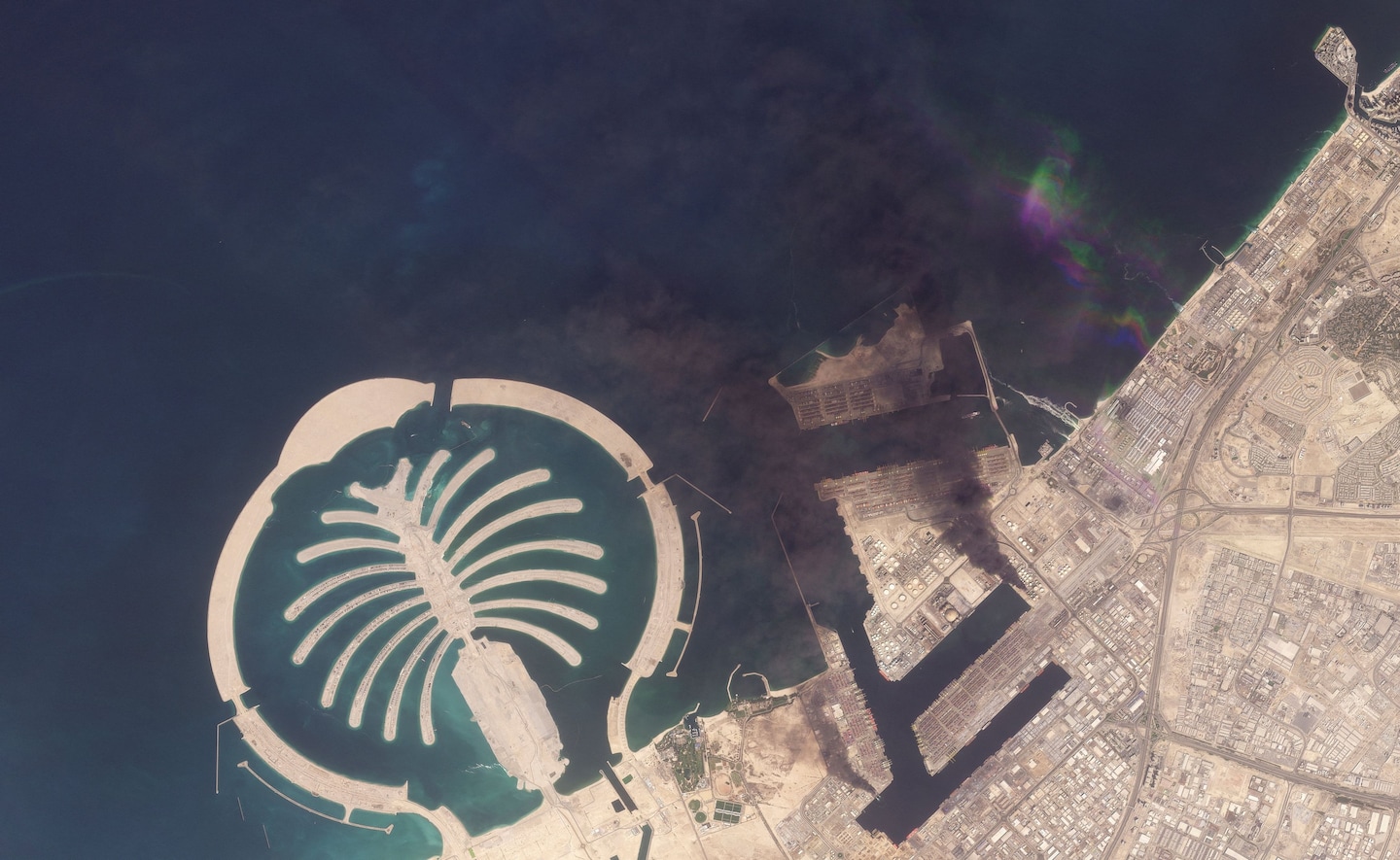
The Middle East finds itself at a precarious inflection point as Iran significantly intensified its retaliatory strikes across the Persian Gulf and against Israel. Following a joint U.S.-Israeli attack, Tehran's response has been swift and far-reaching, targeting sites in at least nine countries. This dramatic escalation, evidenced by satellite images and video footage, signals a dangerous new phase in the region's long-standing geopolitical tensions, threatening to unravel already fragile stability.
The Catalyst: A New Phase of Conflict
The immediate trigger for this surge in Iranian military activity appears to be the aforementioned joint U.S.-Israeli operation. While the specifics of this initial attack remain under tight scrutiny, Iran's reaction has been unequivocal and robust. Unlike previous instances where proxy groups often carried out retaliatory actions, the current wave suggests a more direct or at least a highly coordinated and intensified campaign by Iranian forces or their closest allies. This shift in the nature of engagement signals a heightened willingness by Iran to directly confront perceived threats, moving beyond its traditional deterrence strategies.
A Broad Arc of Retaliation: Targeting Regional Stability
The sheer geographical scope of Iran's latest strikes is particularly alarming. Attacking sites in at least nine countries demonstrates a calculated strategy to project power and assert its reach across a vast swathe of the Middle East. While specific target nations are not detailed in the available information, it is highly probable that these encompass American allies, strategic assets, and infrastructure perceived to be linked to the U.S. or Israel. This widespread offensive serves multiple purposes: it aims to demonstrate Iran's capability to inflict costs on its adversaries, to deter further aggressions, and to send a potent message that its responses will not be confined to a single arena.
The use of satellite imagery and videos, as noted in reports, provides tangible evidence of the scale and precision of these intensified strikes. Such documentation not only validates the claims of increased activity but also offers insights into the potential targets and methods employed, suggesting a sophisticated and deliberate execution rather than impulsive reactions. This level of visible confirmation further underscores the gravity of the situation and the potential for wider conflict.
Underlying Tensions and Strategic Calculus
This recent escalation is deeply rooted in decades of complex antagonism between Iran, the United States, and Israel. The region has long been a battleground for proxy conflicts, ideological clashes, and strategic rivalries, from Yemen to Syria, Iraq, and Lebanon. Iran's current actions are not isolated incidents but rather a manifestation of its strategic calculus to defend its perceived interests, maintain its sphere of influence, and respond to what it views as a sustained campaign of pressure and aggression from its adversaries.
Tehran's leadership likely sees these retaliatory strikes as a necessary show of strength, aiming to restore deterrence and prevent its rivals from gaining further strategic advantages. This calculation, however, carries immense risks, as the ripple effects could destabilize global energy markets, disrupt international shipping lanes, and ignite a full-blown regional conflagration that no party truly desires.
The Perilous Path Forward: Implications for the Middle East and Beyond
The immediate future of the Middle East hangs in a delicate balance. The intensification of Iranian strikes significantly raises the specter of miscalculation and unintended escalation. How the U.S., Israel, and their regional allies choose to respond will dictate whether this current phase leads to de-escalation or spirals into a broader, more destructive conflict. The international community faces an urgent challenge to find diplomatic off-ramps, but the window for such interventions appears to be rapidly closing.
The implications extend far beyond the region, potentially impacting global oil prices, trade routes, and international security paradigms. The cohesion of alliances, the efficacy of deterrence, and the limits of regional power plays are all being severely tested. The stability of the entire international system could hinge on how this perilous chapter unfolds.
Iran's widening retaliatory strikes mark a critical juncture, pulling the Middle East further to the brink. The path ahead is fraught with uncertainty, demanding vigilant analysis and concerted efforts to prevent an uncontrollable descent into a wider war with devastating consequences for millions.