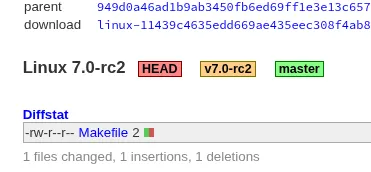
Linux 7.0-rc2: Linus Torvalds Unsettled by Its Scale – A Deep Dive into the Kernel's Evolving Giant
The heartbeat of countless systems globally, the Linux kernel, continues its relentless evolution. This week brought forth Linux 7.0-rc2, the second release candidate in the testing cycle for the highly anticipated Linux 7.0. While the release signifies progress, it also carries a telling remark from the project's creator, Linus Torvalds himself: "So I'm Not Super-Happy With How Big This Is." This candid admission from Torvalds is more than just a passing comment; it's a critical signal, prompting us to examine what this 'bigness' truly entails for the future trajectory of the Linux kernel.
Understanding the 'Release Candidate' and the 'Merge Window'
Before delving into the implications of Linus's statement, it's crucial to understand the development cycle. An 'rc' (release candidate) isn't a final, stable version, but a snapshot for extensive community testing. It's during this phase that bugs are ironed out and stability is ensured before a major version launch. The current 7.0-rc2 follows a "busy Linux 7.0 merge window" – a critical period where new features, drivers, and significant changes from various developers are integrated into the main kernel tree. A 'busy' merge window invariably leads to a larger volume of code, but Linus's specific expression of dissatisfaction with the *size* suggests something beyond the usual high-volume merge.
Unpacking the 'Bigness': What's Under the Hood?
When Linus expresses concern over the size of a release, it typically points to a broader scope of changes, which, while potentially exciting, can also introduce more complexity and potential for regressions. The official release notes highlight an "initial batch of fixes" and specifically mention "numerous AMDXDNA Ryzen" updates. This is a significant clue:
1. Hardware Enablement and Optimization
The focus on AMDXDNA Ryzen fixes underscores a continuous commitment to cutting-edge hardware support. As new CPU architectures, GPUs, and specialized accelerators hit the market, the Linux kernel must rapidly adapt to unlock their full potential. A large volume of hardware-related changes indicates a deep integration effort, ensuring optimal performance, power efficiency, and stability for the latest systems. This often involves new drivers, adjustments to existing ones, and updates to core kernel subsystems that interact with hardware.
2. Core Kernel Refinements and Subsystem Evolution
While the brief description mentions 'fixes,' a large 'rc' often hints at more profound changes. This could include significant refactoring of existing code, improvements to memory management, scheduling algorithms, or networking stacks. These aren't always 'new features' in the traditional sense but crucial optimizations that enhance the kernel's overall efficiency, security, and scalability. The cumulative effect of these granular changes can significantly inflate the codebase.
3. Broader Bug Fixes and Stability Enhancements
Every merge window brings a deluge of bug reports and security vulnerabilities that need addressing. A larger release naturally implies a more extensive array of fixes. While essential for stability, a higher volume of changes can also make the testing process more challenging, as new fixes might inadvertently introduce new issues. Linus's sentiment likely reflects the increased burden on developers and testers to ensure that the expanded codebase remains robust.
"So I'm Not Super-Happy With How Big This Is." - Linus Torvalds
Implications for the Linux Ecosystem
The 'bigness' of Linux 7.0-rc2 has several ripple effects across the vast Linux ecosystem:
- For Developers: A larger codebase means more to review and test. While exciting for new features and hardware support, it also implies a higher chance of encountering regressions or needing to adapt existing codebases to new kernel behaviors.
- For System Administrators: The testing period for 7.0 will be crucial. Sysadmins in enterprise environments will need to exercise extra caution and thorough testing before deploying a potentially complex new kernel version into production.
- For End-Users: Assuming a successful stabilization period, Linux 7.0 could bring significant performance improvements and broader hardware compatibility, especially for those running newer AMD-powered machines. However, early adopters might face teething issues.
- Project Health: Linus's directness, while sometimes perceived as blunt, is a testament to the meticulous standards and commitment to stability that define the Linux kernel project. It's a call to arms for the community to intensify testing efforts.
Looking Ahead: The Road to Linux 7.0
Linux 7.0-rc2 marks a pivotal point in the development cycle. The "bigness" it represents is a double-edged sword: a testament to the rapid pace of innovation and integration, but also a signal for vigilance and meticulous testing. The coming weeks will be crucial as more release candidates emerge, and the community works to whittle down any potential issues that a large release inherently presents. The final Linux 7.0 promises to be a significant update, but its journey through these release candidates reminds us of the immense effort and collaborative spirit required to maintain the world's most vital open-source project.