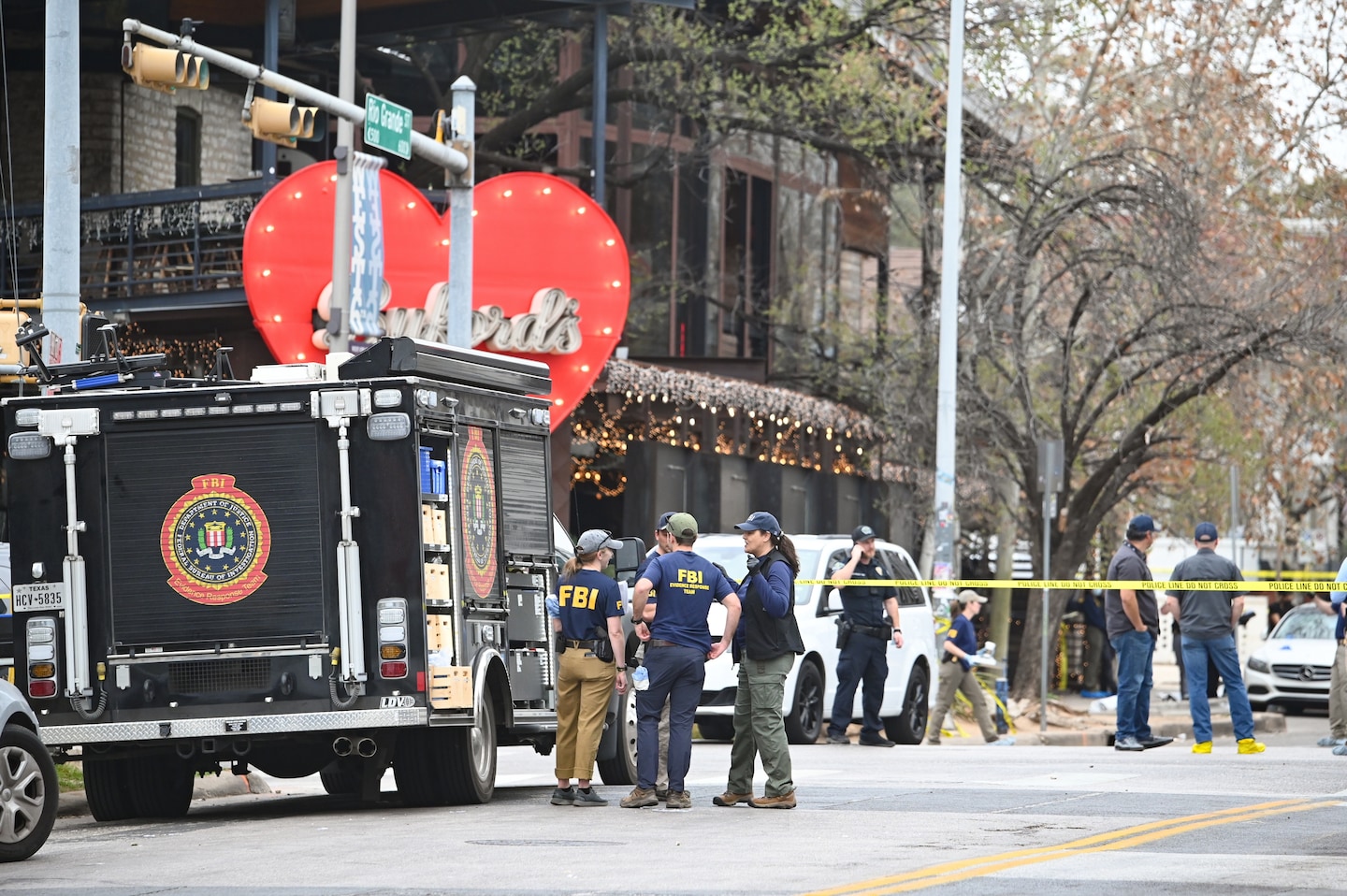
The Austin Shooting: Unraveling the Geopolitical Threads of a Domestic Tragedy
In the wake of a horrific shooting at a popular Austin nightspot, which left two dead and fourteen wounded, federal authorities are now deeply entrenched in an investigation that reaches far beyond the immediate crime scene. The FBI is actively probing whether Ndiaga Diagne, 53, the alleged shooter, was motivated by recent U.S. actions against Iran, a potential link that casts a chilling geopolitical shadow over a domestic act of violence.
Eyewitnesses and sources familiar with the investigation report that Diagne was seen wearing a shirt emblazoned with the words "Property of Allah" and depicting the Iranian flag. This explicit display of symbolism has immediately raised red flags for investigators, suggesting a deliberate, ideologically driven motive potentially rooted in international conflict.
The Geopolitical Undercurrent: US-Iran Tensions
The United States and Iran have been locked in a decades-long standoff, punctuated by periods of heightened tension and proxy conflicts. Recent events, including alleged cyberattacks, maritime incidents, and targeted strikes, have consistently fueled a volatile relationship. While the specific "U.S. attack on Iran" referenced in initial reports may point to a particular recent flashpoint, the broader context of hostility provides a fertile ground for radicalization and retributive acts.
For individuals with pre-existing grievances or extremist leanings, such international escalations can serve as powerful motivators. The narrative of an aggrieved nation or faith, coupled with a sense of personal duty, can push individuals towards violence, even thousands of miles from the actual conflict zone.
Decoding the Shooter's Symbols
The imagery on Diagne's shirt — "Property of Allah" alongside the Iranian flag — is highly significant. "Property of Allah" can be interpreted in various ways, from a declaration of personal devotion to a more radical claim of belonging to a divine cause. When combined with the Iranian flag, it strongly suggests an affinity or allegiance to Iran, or at least to a perceived struggle championed by elements within the Iranian sphere of influence.
This combination could indicate a Shiite extremist motivation, given Iran's role as the world's leading Shiite power. However, investigators will need to delve deeper into Diagne's personal history, online activity, and any affiliations to ascertain the precise ideological framework behind his actions. Was he a lone wolf self-radicalized by propaganda, or was there any broader network or influence at play?
The Intersection of Foreign Policy and Domestic Security
The Austin shooting serves as a stark reminder of how deeply international conflicts can resonate domestically. In an increasingly interconnected world, geopolitical tensions are no longer confined to battlefields abroad; they can manifest in acts of terror and violence within national borders. This presents immense challenges for law enforcement and intelligence agencies, who must now monitor a wider spectrum of threats, from traditional criminal enterprises to individuals radicalized by global events.
Preventing such "lone wolf" attacks, especially those driven by complex ideological motivations, remains one of the most difficult tasks for security forces. It requires sophisticated intelligence gathering, community engagement, and an understanding of the psychological pathways to radicalization.
Future Implications and the Path Forward
The Austin community now faces the difficult process of healing, grappling with not just the violence, but the unsettling possibility of its roots in distant conflicts. For national security, this incident underscores the urgent need to continuously reassess and adapt counter-terrorism strategies to address threats stemming from geopolitical flashpoints.
As the FBI continues its meticulous investigation, piecing together Diagne's motives and connections, the incident serves as a grim testament to the complex and evolving nature of violence in the 21st century. Understanding these intricate links between global events and local tragedies is paramount to safeguarding communities and fostering a more secure future.