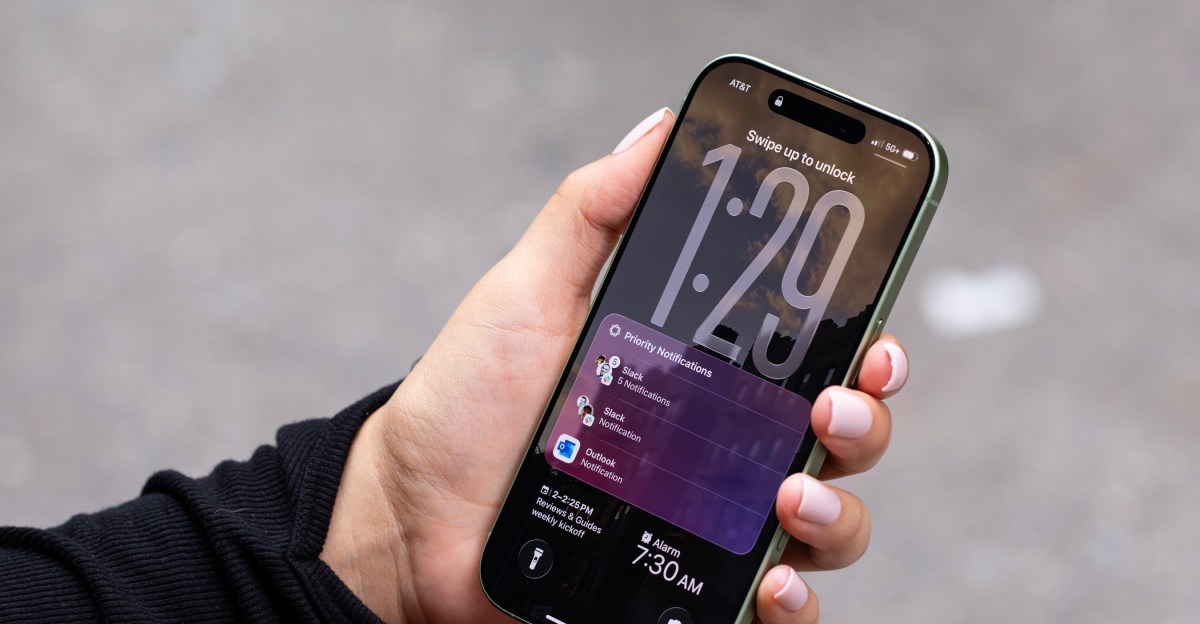
Beyond the Glare: iOS 26.2 Redefines Interaction, Privacy, and Aesthetics for Apple Users
In an era where operating system updates often feel like incremental nudges, Apple's iOS 26.2 arrives not with a roar, but with a series of thoughtful, user-centric refinements that collectively signal a subtle yet significant evolution in how we interact with our most personal devices. From a nuanced adjustment to its visual language to robust enhancements in sharing and notification management, iOS 26.2 demonstrates Apple's continued commitment to polish, privacy, and personalization.
The Subtlety of Sight: Taming the Liquid Glass Aesthetic
One of the most discussed, and at times polarizing, design trends in recent iOS versions has been the 'Liquid Glass' aesthetic – a highly polished, translucent, and often reflective visual style. While initially lauded for its modern appeal, user feedback increasingly pointed to potential distractions and a perceived lack of clarity in certain interface elements.
With iOS 26.2, Apple offers users a new, welcome control: the ability to 'reduce the Liquid Glass look'. This isn't just a minor visual tweak; it's a testament to Apple listening to its vast user base and acknowledging that one-size-fits-all design can sometimes detract from the core user experience. This option empowers users to tailor their iPhone's interface to their preference, potentially enhancing readability, reducing visual fatigue, and bringing focus back to content rather than gratuitous chrome. It hints at a broader shift towards more customizable UI elements within the Apple ecosystem, perhaps bridging the gap between minimalist design and practical usability.
The Evolution of Connectivity: AirDrop Codes and Seamless Sharing
AirDrop has long been a hallmark of Apple's seamless ecosystem, offering an unparalleled method for quickly sharing files between nearby Apple devices. However, its 'always-on' discoverability could, in certain public or crowded scenarios, raise privacy concerns or lead to unintended sharing prompts. iOS 26.2 introduces a sophisticated solution: AirDrop codes.
While specific implementation details are yet to be fully explored, AirDrop codes likely function through temporary, one-time use identifiers – perhaps a QR code or a short numerical PIN – that must be explicitly exchanged or scanned before a connection is established. This innovation dramatically enhances both privacy and precision. Users gain granular control over who can initiate a sharing request, eliminating unwanted notifications and bolstering security. Imagine a business conference where you only want to AirDrop a presentation to a specific colleague, or a public event where accidental file transfers are a constant worry – AirDrop codes provide the intentionality and peace of mind previously lacking. This feature not only improves the AirDrop experience but also elevates the standard for secure, direct device-to-device communication.
Engaging Ears and Alerting Minds: Podcasts and Urgent Reminders
Beyond aesthetics and connectivity, iOS 26.2 also brings enhancements to media consumption and critical alerts. Apple Podcasts receives 'new features' – while details are sparse, this could range from improved discovery algorithms, richer creator tools, enhanced audio playback controls, or more interactive elements within episodes. As the podcast landscape continues to boom, Apple's investment here solidifies its platform as a central hub for audio content, aiming to enrich both listener engagement and creator capabilities.
Perhaps even more impactful in our increasingly notifications-saturated world are 'urgent' reminders. This new category of alerts is designed to cut through the digital noise, ensuring that truly time-sensitive or critical information gets the attention it demands. Unlike standard reminders, urgent reminders could leverage more persistent notification styles, bypass 'Focus' modes, or employ distinct auditory and haptic feedback to command immediate user awareness. This feature carries significant implications for personal organization, health alerts, safety warnings, and critical work deadlines, providing a much-needed mechanism for prioritizing truly important information amidst a deluge of daily pings. The key, however, will be Apple's implementation of user control to prevent potential misuse or notification fatigue, ensuring 'urgent' remains truly urgent.
The Broader Tapestry: User-Centric Design and Ecosystem Cohesion
Individually, each feature in iOS 26.2 is a welcome refinement. Collectively, they paint a picture of an operating system maturing to offer greater user agency. The ability to reduce the 'Liquid Glass' look underscores a shift towards personalization and accessibility. AirDrop codes fortify privacy and control in digital interactions. And 'urgent' reminders represent a sophisticated approach to information management in our increasingly connected lives. These updates reinforce Apple's commitment to a holistic, secure, and user-friendly ecosystem, responding to real-world challenges faced by iPhone, Mac, and other Apple device owners.
Conclusion
iOS 26.2 is more than a routine dot release; it’s a strategic refinement that subtly, yet significantly, reshapes the daily Apple experience. By providing more control over visual design, enhancing secure sharing, and refining critical alerts, Apple continues to evolve its relationship with its users, offering a more intentional, less intrusive, and ultimately more powerful mobile operating system. The future of iOS, as demonstrated by 26.2, looks to be one where customization, privacy, and intelligent utility are increasingly at the forefront.