Beyond Earth's Familiar: The Uncharted Territory of Astronaut Health in Deep Space
The vastness of space presents not just engineering marvels but profound medical mysteries. When human physiology confronts the cosmic unknown, what happens when there's no precedent?
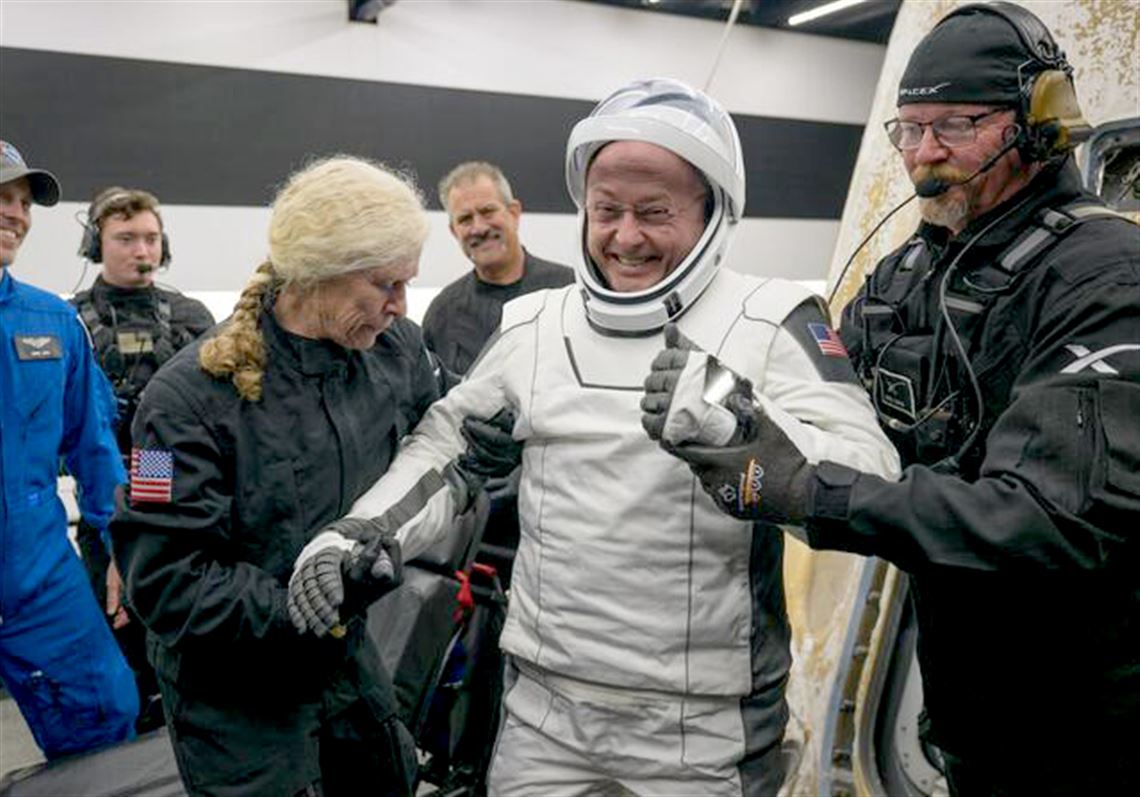
The life of an astronaut is a testament to human resilience, intellect, and courage. Yet, even with decades of spaceflight experience, the human body remains an enigma in the harsh, alien environment beyond Earth's protective embrace. Recent discussions, sparked by reports surrounding seasoned NASA astronaut Mike Fincke and a potentially 'unprecedented medical issue' while in space, bring into sharp focus a silent, critical frontier of space exploration: preparing for the medical emergencies we cannot yet imagine.
The Knowns: A Constellation of Challenges
Astronauts endure a battery of physiological stresses that would fell most Earth-bound individuals. Microgravity relentlessly degrades bone density, weakens muscles, and alters cardiovascular function. Radiation exposure, both from solar flares and galactic cosmic rays, poses a long-term cancer risk and acute threats to neurological function and cellular integrity. Vision changes, immune system dysregulation, and psychological strains are well-documented challenges that space medicine specialists tirelessly monitor and mitigate.
Every mission to the International Space Station (ISS) provides invaluable data, allowing researchers to refine countermeasures and deepen our understanding of space's impact. However, the ISS is relatively close to Earth, allowing for rapid communication and, in extreme cases, relatively swift return. Deep space missions, like those envisioned for Mars or further, will lack these crucial safety nets, pushing the boundaries of medical autonomy and preparedness.
The Unprecedented: Navigating the Medical 'Black Swan'
What constitutes an 'unprecedented medical issue' in space? It's the 'black swan' event of space medicine – an unforeseen anomaly that doesn't fit into existing diagnostic frameworks or treatment protocols. It could be a novel physiological response to prolonged deep space radiation, an unexpected interaction between microgravity and a dormant condition, or even a psychological breakdown manifesting in physical symptoms never observed before.
The very idea sends shivers down the spine of mission planners. How do you prepare for something you can't predict? The answer lies in a multi-faceted approach: robust baseline health screening, comprehensive medical training for crew members, advanced telemedicine capabilities, and a deep understanding of human physiology to extrapolate potential risks beyond current data points. It also necessitates open and transparent reporting, even of initially unclear or disputed incidents, to foster learning and enhance future safety.
Future Implications: Mars and Beyond
As humanity sets its sights on Mars, the stakes amplify dramatically. A Martian mission could last for years, with communication delays reaching up to 20 minutes one-way. This renders real-time medical consultation from Earth practically impossible. Astronauts will effectively become their own doctors, relying on onboard diagnostic tools, artificial intelligence-driven medical assistants, and pre-packaged treatment protocols for a vast array of potential ailments.
Developing self-sufficient medical systems for deep space is paramount. This includes miniaturized diagnostic labs, advanced surgical capabilities in microgravity, and novel pharmaceuticals designed for space environments. Furthermore, a deep understanding of individual astronaut genomics and epigenetics might allow for personalized risk assessments and tailored countermeasures, moving beyond generalized medical advice to highly specific interventions.
The Human Element: Resilience and Reporting
Ultimately, the strength of space exploration lies not just in technology, but in the human spirit. Astronauts are meticulously selected for their physical and psychological fortitude. Yet, they are not impervious. The discussion around potential medical incidents in space, regardless of their specific details or subsequent clarifications, serves as a vital reminder of the continuous learning curve inherent in venturing beyond our planet. It underscores the importance of rigorous scientific inquiry, transparent data sharing, and an unwavering commitment to astronaut safety, paving the way for a future where even the most unprecedented medical challenges can be met with preparedness and ingenuity.