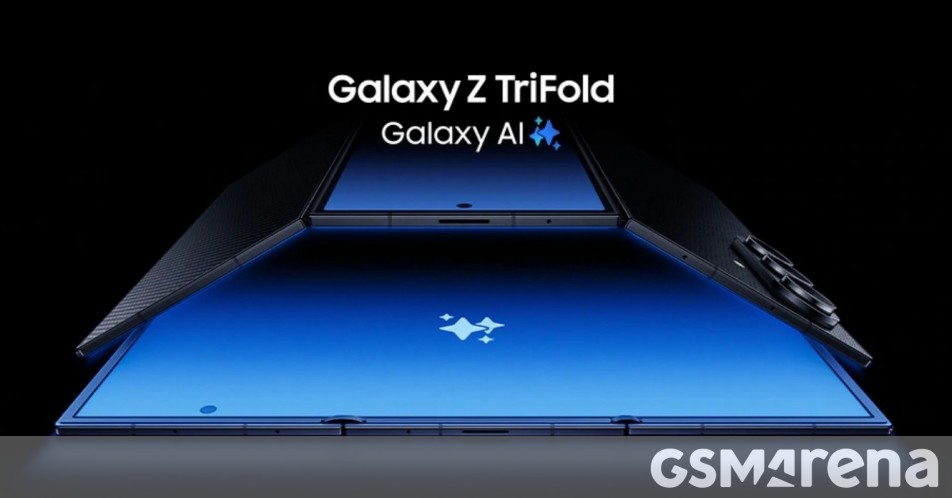
The $2,400 TriFold Phenomenon: What Samsung's Instant Sell-Out Means for the Future of Ultra-Premium Tech
Seoul, South Korea – In a display of consumer appetite for cutting-edge innovation that defies economic logic, Samsung's newly unveiled Galaxy Z TriFold, priced at a staggering KRW 3,590,400 (approximately $2,428 USD), sold out within minutes of going on sale today. The device, currently exclusive to the South Korean market, isn't just another high-end smartphone; its rapid disappearance from virtual shelves offers a profound glimpse into the evolving landscape of premium consumer technology and the psychology of early adopters.
The Anatomy of an Instant Sell-Out
The initial shock of a nearly $2,500 smartphone selling out so quickly gives way to a deeper analysis of the factors at play. This isn't merely about wealth; it's about the convergence of scarcity, innovation, and brand loyalty in a uniquely tech-forward market.
Exclusivity and Scarcity as Marketing Tools
By limiting the TriFold's initial release to South Korea and presumably, a controlled production run, Samsung has masterfully created a halo effect. The scarcity itself becomes a powerful selling point, transforming the device from a product into a coveted status symbol. For consumers who pride themselves on owning the absolute latest and most unique technology, the TriFold offers unparalleled bragging rights.
The Allure of True Innovation
While foldables have been around for a few years, the 'TriFold' represents the next significant leap. Moving beyond a simple hinge, a triple-folding mechanism promises an even larger, more versatile screen experience from a pocketable device. This genuine technological advancement appeals directly to true tech enthusiasts and early adopters who are willing to pay a premium to experience the future today, regardless of the immediate practicalities.
South Korea: A Fertile Ground for Premium Tech
South Korea is not just Samsung's home turf; it's a hyper-connected, tech-literate market with a strong culture of embracing cutting-edge gadgets. Consumers here often drive global trends and are generally less price-sensitive when it comes to experiencing revolutionary technology. This makes it an ideal testing ground for ultra-premium devices like the TriFold.
What This Means for the Future of Smartphones
The TriFold's instant success isn't just a win for Samsung; it's a significant indicator of several emerging trends that will shape the smartphone market for years to come.
The Rise of the Ultra-Premium Segment
For years, the flagship smartphone market plateaued around the $1,000-$1,200 mark. The TriFold, along with other high-end foldables, is pushing the boundaries of what consumers are willing to pay, establishing a new 'ultra-premium' tier. This segment caters not just to the affluent, but also to dedicated professionals and creative individuals who see the device as a productivity tool or a statement piece.
Innovation as the New Differentiator
As standard smartphones become increasingly similar, true innovation in form factor, display technology, and user experience will become paramount. Companies that can deliver genuinely novel devices will command premium pricing and capture market excitement, even if sales volumes remain comparatively low.
Competitive Ripple Effects
Samsung's aggressive push into advanced foldables will undoubtedly force competitors like Apple, Google, and various Chinese manufacturers to accelerate their own flexible display roadmaps. We can expect an even more intense race to miniaturize, refine, and perhaps even democratize these advanced form factors in the coming years.
Looking Ahead: Beyond the Hype
While the initial sell-out is impressive, the long-term success of devices like the TriFold will depend on several factors: durability, real-world utility, and eventually, a broader market availability. Will these multi-fold devices be robust enough for daily use? Will their complex mechanics stand the test of time? And how quickly can manufacturing scale to meet potential global demand, perhaps at more accessible price points?
The Samsung Galaxy Z TriFold's rapid initial success is more than just a headline; it's a powerful affirmation that consumers, particularly in tech-forward markets, are hungry for truly revolutionary devices. It signals a future where smartphones are not just communication tools, but increasingly, sophisticated, adaptable computing platforms that push the very limits of design and engineering. The era of the ultra-premium, ultra-innovative smartphone has just begun.