Beyond Kanto: Datamine Unearths a Treasure Trove of Potential Classic Pokémon Titles for Nintendo Switch
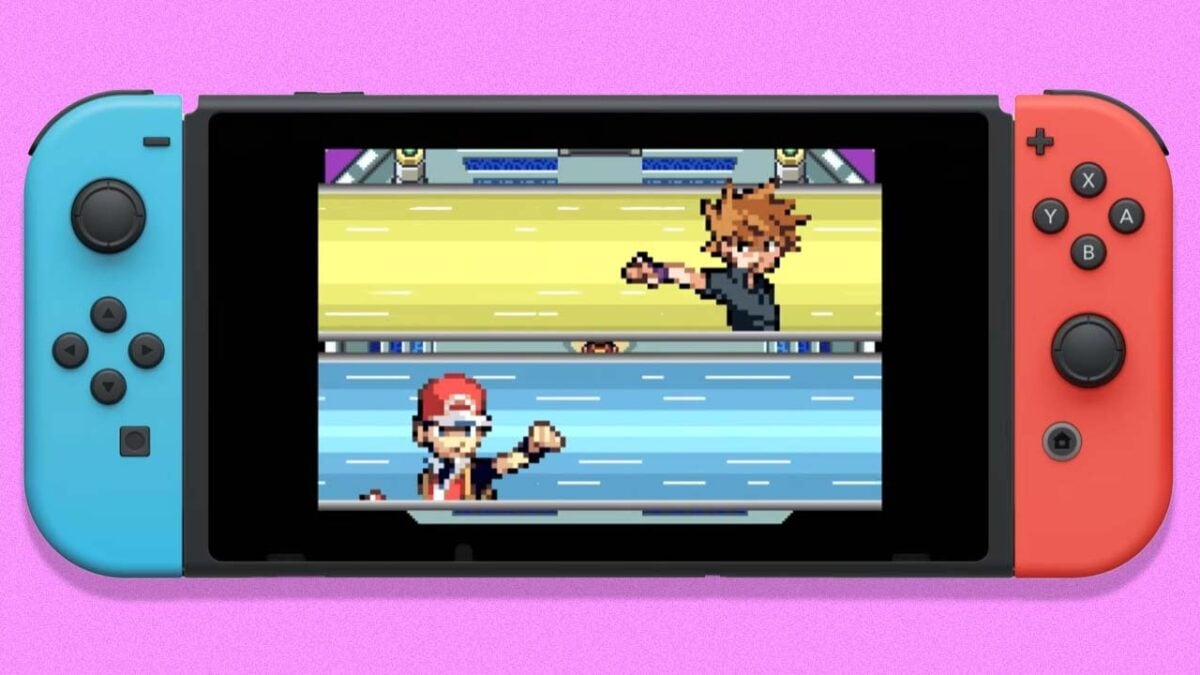
The gaming world barely had time to celebrate the arrival of Pokémon FireRed and LeafGreen on the Nintendo Switch before the internet's most relentless explorers, the dataminers, struck gold once again. Within mere hours of their release, whispers turned into roars as deep dives into the game's code hinted at a much grander vision for classic Pokémon accessibility on Nintendo's hybrid console. This isn't just a simple port; it's potentially the opening salvo in a full-scale retro invasion that could redefine how an entire generation experiences the franchise.
The Immediate Aftermath: A Datamine Dynamo
The ink was barely dry on press releases announcing the availability of the Kanto remakes when intrepid dataminers began their meticulous work. What they uncovered wasn't just interesting – it was revelatory. The internal structure and metadata within the newly released FireRed and LeafGreen files contained direct references and placeholders for other mainline Pokémon titles. While the exact titles remain speculative based on the current findings, the implication is clear: Nintendo and The Pokémon Company have laid the groundwork for future classic Pokémon game ports.
This rapid discovery underscores the constant vigilance of the gaming community and the inherent transparency (intentional or otherwise) of modern game development. For fans, it's a thrilling peek behind the curtain, suggesting that the current wave of GBA-era games on the Switch's online service is merely the tip of a much larger iceberg.
Contextualizing Nintendo's Strategy: A Pattern Emerges
For years, fans have yearned for a consolidated platform to play classic Pokémon titles, many of which are locked behind older hardware or prohibitively expensive secondary markets. Nintendo's Nintendo Switch Online (NSO) Expansion Pack, which includes libraries for NES, SNES, N64, Game Boy, and Game Boy Advance, has been the primary vehicle for classic game preservation and re-release. The addition of FireRed and LeafGreen was a significant step, but the datamine suggests a commitment far beyond just GBA titles.
This strategy aligns perfectly with Nintendo's recent approach to its legacy content: gradual rollouts that keep subscribers engaged and offer a compelling reason to maintain an NSO membership. By not releasing a full suite of games all at once, they create sustained excitement and a steady stream of content updates. If the datamine proves accurate, this framework could extend to DS-era Pokémon games and beyond, perhaps even leading to a dedicated Pokémon Classic library within NSO.
The Wishlist and the Implications for Fans
The immediate question on every trainer's mind is: which games are next? Given the progression of the series, likely candidates include Pokémon Emerald (the definitive Generation III experience), followed by the beloved Generation IV titles like Diamond, Pearl, and Platinum, and their iconic remakes HeartGold and SoulSilver. The possibility of experiencing the narrative depth of Generation V's Black, White, Black 2, and White 2 on modern hardware is equally tantalizing.
For new players, this initiative democratizes access to the rich history of the Pokémon world, allowing them to experience the evolution of gameplay, regional designs, and storytelling that defined their older siblings' or parents' childhoods. For veteran fans, it offers a wave of nostalgia and the opportunity to revisit cherished memories without dusting off old consoles or resorting to emulation. The potential for features like online trading and battling, crucial to the Pokémon experience, would further solidify these ports as definitive versions.
A Strategic Masterstroke for The Pokémon Company
From a business perspective, this move is nothing short of a strategic masterstroke. Classic Pokémon games represent a relatively low-cost, high-reward venture. The development overhead for porting these titles is significantly less than creating new mainline entries, yet the fan demand is immense. This strategy allows The Pokémon Company to maintain a consistent presence on the Switch, bridge gaps between new main series releases, and continue to monetize its vast back catalogue.
Furthermore, by integrating these games into the NSO ecosystem, Nintendo strengthens its subscription service, adding substantial value that goes beyond modern multiplayer titles. It's a clever way to keep the Pokémon brand perpetually fresh and accessible, ensuring its multi-generational appeal continues unabated.
Conclusion: The Future of Pokémon is Retro
The initial excitement around Pokémon FireRed and LeafGreen on Switch was significant, but the subsequent datamine has transformed that excitement into fervent anticipation. What began as a hopeful re-release now appears to be part of a much larger, more ambitious plan to bring a substantial portion of the Pokémon legacy to the Nintendo Switch. As trainers dive back into Kanto, the real adventure might just be waiting in the code, promising a future where every classic Pokémon journey is just a download away. The retro revolution is here, and it's looking increasingly Pokétastic.