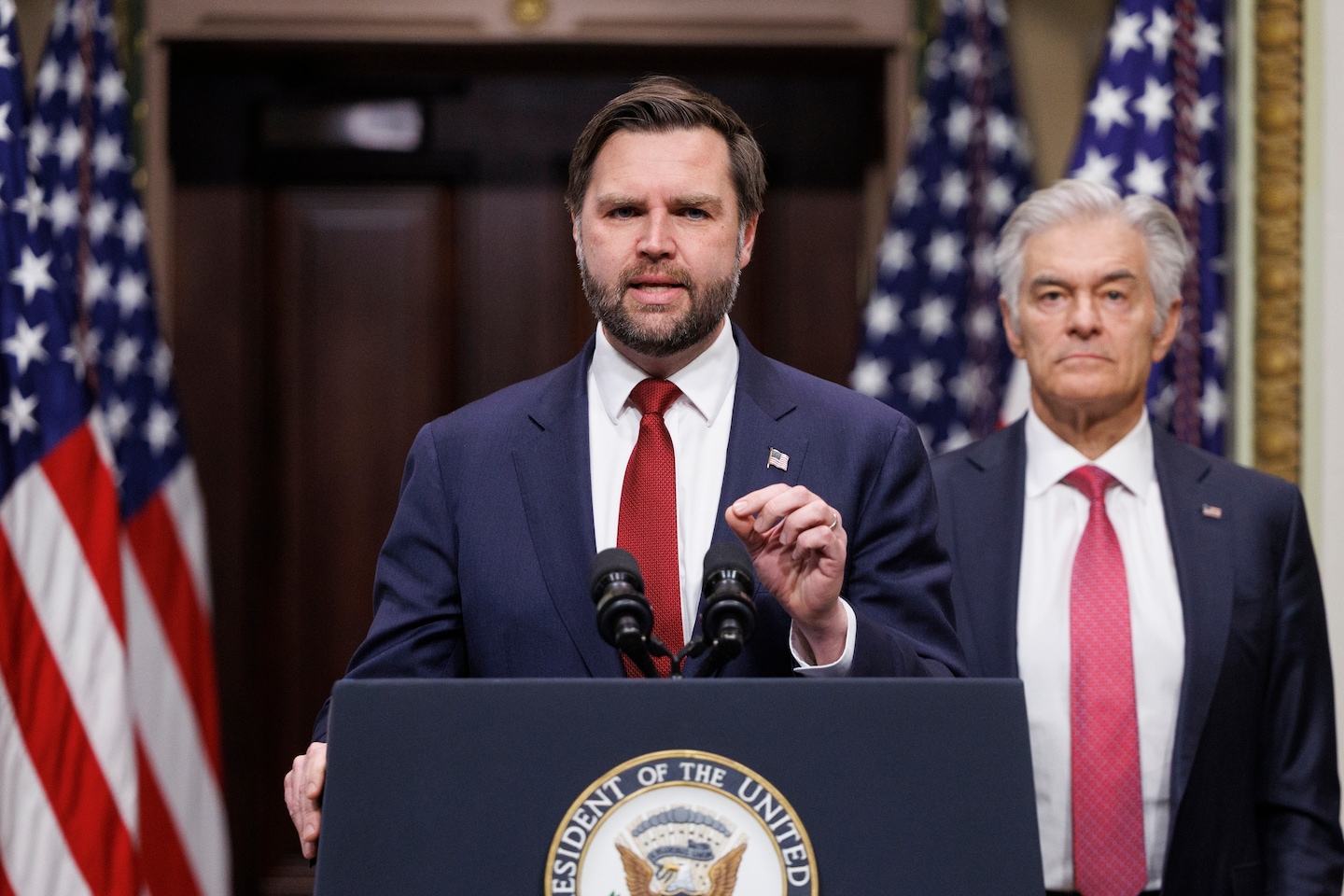
Vance Announces $259M Minnesota Medicaid Freeze: A National Precedent in the Fight Against Healthcare Fraud?
Vice President JD Vance’s recent announcement to withhold $259 million in Medicaid payments for Minnesota has sent shockwaves through the state's healthcare system and signals a potential paradigm shift in federal oversight of state-run programs. Citing allegations of widespread healthcare fraud, the Trump administration’s move is seen as an escalation in its battle with states, hinting at a broader crackdown that could extend far beyond Minnesota’s borders.
The Federal-State Compact Under Strain
Medicaid, a cornerstone of the American healthcare system, operates as a joint federal and state program, providing health coverage to millions of low-income adults, children, pregnant women, elderly adults, and people with disabilities. States administer their own programs, but a significant portion of their funding comes from the federal government, contingent upon adherence to federal guidelines. This partnership has, at times, been fraught with tension, particularly regarding spending, eligibility, and administrative oversight. The Trump administration has consistently voiced concerns about fraud, waste, and abuse within various federal programs, and this latest action against Minnesota brings those concerns to the forefront in a very tangible way.
Unpacking the Allegations and Immediate Impact
While specific details of the alleged fraud remain under wraps, the administration’s public statements suggest a belief that Minnesota has failed to adequately prevent or recover improper payments within its Medicaid system. For Minnesota, the withholding of $259 million is a significant blow. This sum represents a substantial portion of the state’s healthcare budget, potentially impacting everything from provider reimbursements to the availability of essential services for its most vulnerable populations. Hospitals, clinics, and long-term care facilities that rely heavily on Medicaid funding could face severe financial strain, leading to service reductions, staffing cuts, or even closures. The immediate ripple effect could be felt by hundreds of thousands of Minnesotans who depend on these services.
Beyond the financial crunch, the move raises questions about the political calculus behind targeting Minnesota. Is this an isolated incident based purely on audit findings, or does it carry broader political implications given the ongoing federal-state debates on various policy fronts? Vice President Vance's role in announcing this decision is also noteworthy, positioning him at the forefront of the administration's efforts to reform federal spending and oversight.
A Blueprint for Federal Intervention?
Perhaps the most significant aspect of this development is its potential as a blueprint for future federal intervention. Vice President Vance's statement about a 'broader crackdown' suggests that Minnesota may be the first domino in a series of actions against other states. The criteria for such targeting remain unclear, but states with higher rates of Medicaid spending, perceived lax oversight, or those ideologically opposed to the administration's broader policy goals could find themselves under increased scrutiny. This move could empower the federal government to exert greater control over state-level healthcare programs, fundamentally altering the balance of power in the federal-state relationship.
States could challenge such actions in court, arguing over the federal government’s authority to unilaterally withhold funds and the due process afforded to states to address alleged issues. However, the prospect of prolonged legal battles adds further uncertainty and financial burden to states already grappling with complex healthcare challenges.
Conclusion
The Trump administration's decision to withhold $259 million in Medicaid funds from Minnesota, spearheaded by Vice President Vance, sets a significant precedent. It transforms the discussion around healthcare fraud from a mere administrative concern into a potent political and fiscal battleground. This action will undoubtedly force states nationwide to re-evaluate their Medicaid oversight protocols, but it also portends a future of potentially heightened federal-state tensions, with profound implications for millions of Americans relying on Medicaid and for the very structure of federal-state relations in healthcare. The coming months will reveal whether Minnesota is an isolated case or the beginning of a sweeping federal reassertion of power over state health programs.