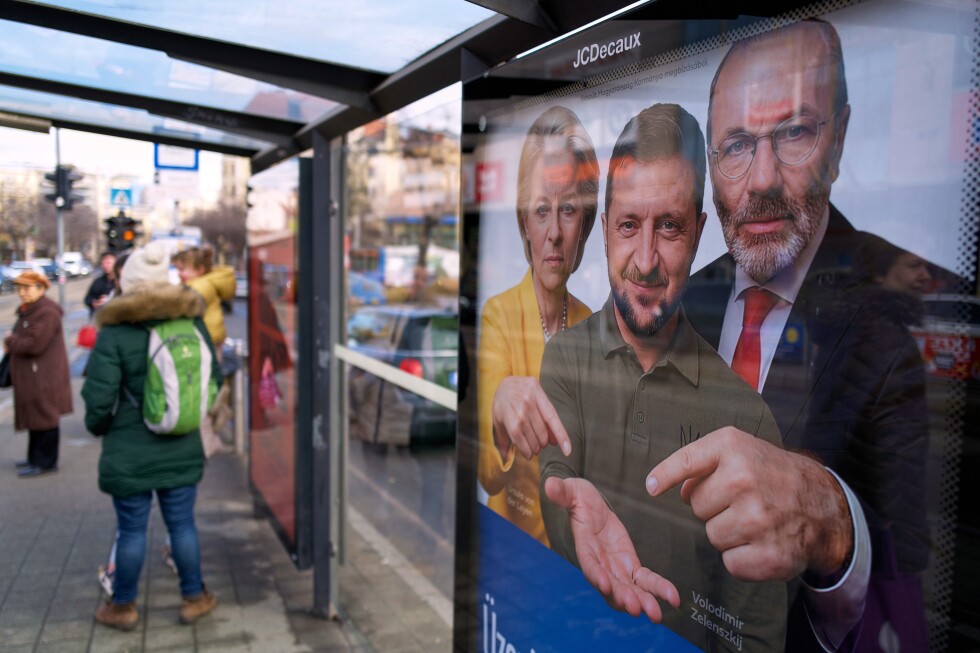
Orbán's High-Stakes Bet: Diverting Hungary's Gaze from Economic Troubles to an 'Enemy' Within
BUDAPEST, Hungary – As Hungary approaches a pivotal election, Prime Minister Viktor Orbán, a figure synonymous with robust nationalistic rhetoric and a controversial pro-Russian stance, finds himself navigating treacherous political waters. Facing formidable challenges to his long-held power, largely stemming from persistent economic stagnation, Orbán has launched an aggressive, high-stakes campaign designed to redirect the national conversation. His strategy? To convince Hungarian voters that the gravest threat to their nation is not the struggling economy, but rather neighboring Ukraine.
The Perennial Leader and Emerging Cracks
Viktor Orbán has dominated Hungarian politics for over a decade, cementing his Fidesz party's control through constitutional reforms, media consolidation, and a consistent appeal to national sovereignty. His political playbook has often involved identifying external "enemies" – from the European Union to George Soros – to rally his base. However, this election cycle presents a new challenge: the undeniable impact of domestic economic woes. Inflation, rising energy costs, and a cost-of-living crisis are tangible realities for many Hungarians, making the usual political diversions potentially less effective.
Despite his entrenched position and control over state media, polls suggest Orbán's support is not as unassailable as it once was. The economic grievances are real, creating a fertile ground for opposition movements. It is against this backdrop that Orbán has pivoted dramatically, opting to weaponize the ongoing conflict in Ukraine as a primary campaign issue.
Framing Ukraine as the Existential Threat
Orbán's aggressive media campaign is relentless. Television, radio, and pro-government newspapers are reportedly saturated with messages portraying Ukraine not as a victim of aggression, but as a source of instability, a drain on European resources, or even a direct threat to Hungarian interests. This narrative often plays into long-standing ethnic grievances concerning the Hungarian minority in Transcarpathia, Ukraine, and subtly weaves in anti-EU and anti-NATO sentiments by criticizing sanctions against Russia and military aid to Kyiv.
The prime minister’s rhetoric suggests that supporting Ukraine is detrimental to Hungary, either by risking escalation, draining national resources, or threatening vital energy supplies from Russia. This creates a stark choice for voters: address the seemingly distant Ukrainian conflict or focus on the immediate economic hardship. Orbán is betting that fear and nationalistic solidarity against an externalized "enemy" will outweigh bread-and-butter issues.
Why This Strategy Now?
Several factors likely underpin Orbán's decision to double down on an anti-Ukraine message:
- Distraction from Domestic Failures: The most immediate benefit is diverting public attention from the government's economic performance. By creating a compelling external threat, Orbán hopes to shift blame and consolidate support.
- Reinforcing Nationalist Base: His base thrives on narratives of national victimhood and sovereignty under threat. A strong stance against Ukraine, framed as protecting Hungarian interests, resonates deeply with these voters.
- Leveraging Russian Ties: Hungary maintains significantly warmer ties with Russia than most EU members, particularly regarding energy. This stance aligns with Moscow's narrative and could secure continued energy benefits or political favor.
- Exploiting Historical Grievances: Tensions over the Hungarian minority in Ukraine offer a potent emotional hook, allowing Orbán to portray himself as a protector of Hungarians abroad.
Domestic Divisions and International Fallout
This aggressive campaign naturally deepens divisions within Hungarian society. While some voters may be swayed by the nationalist appeal and fear-mongering, others are acutely aware of the economic challenges and question the government's priorities. Opposition parties are likely to highlight the disconnect between the government's rhetoric and the daily struggles of ordinary Hungarians, framing Orbán's strategy as a cynical attempt to cling to power.
Internationally, Orbán's stance further isolates Hungary within the European Union and NATO. His constant obstruction of EU sanctions and aid packages for Ukraine, coupled with his pro-Russian overtures, has strained relations with key allies. A renewed mandate based on an anti-Ukraine platform would only solidify Hungary's reputation as a problematic partner, potentially jeopardizing EU funds and future diplomatic cooperation.
The Broader Implications: A Dangerous Precedent?
The outcome of this Hungarian election holds significance far beyond its borders. If Orbán successfully manages to rally support by demonizing a neighboring state and diverting attention from domestic economic failures, it could serve as a dangerous precedent for other populist leaders facing similar challenges. It highlights a troubling trend where external conflicts are not seen as humanitarian crises or geopolitical challenges, but rather as convenient political tools to manipulate public opinion.
Hungary's election will be a crucial test of whether a powerful narrative of fear and external threat can truly overshadow the lived realities of economic hardship. For Viktor Orbán, it is the ultimate gamble: betting that nationalism and geopolitical anxieties will trump the quiet desperation born of a struggling economy, securing his continued grip on power at a potentially steep cost to Hungary's future and its standing on the global stage.