The State of Valor: Trump's SOTU Honors Reshape National Narrative of Service and Sacrifice
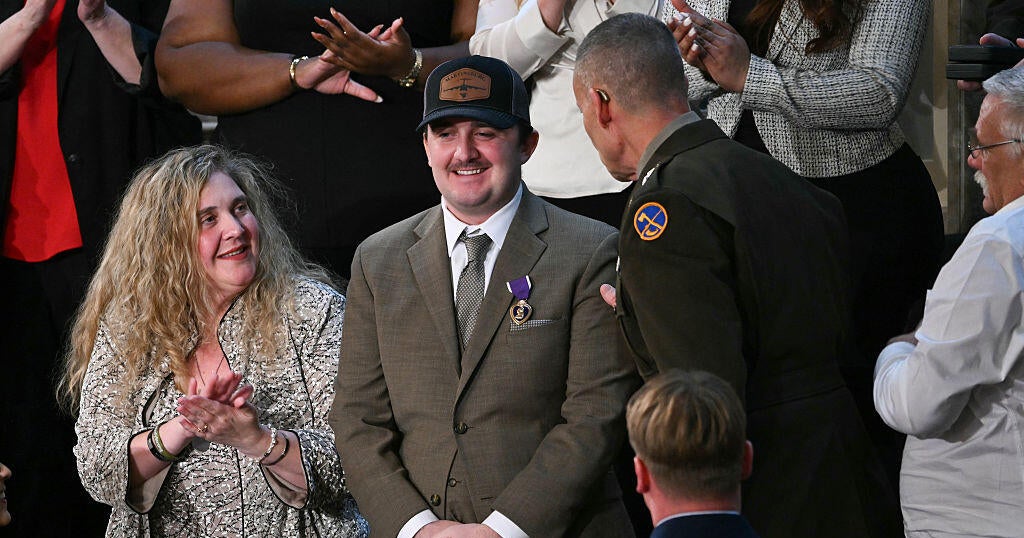
In a move that diverged sharply from traditional State of the Union addresses, President Donald Trump transformed his recent speech into a powerful, live ceremony of national recognition, bestowing some of the nation's highest honors upon U.S. service members and an Olympic athlete. Far from a mere acknowledgment, these public awards—including the Purple Heart, the Congressional Medal of Honor, the Legion of Merit, and the Medal of Freedom—served not only to honor individual acts of bravery and achievement but also to weave a potent narrative of American valor directly into the fabric of the nation’s annual policy address. NovaPress delves into the profound implications of this unprecedented spectacle.
A Stage for Heroes: The Awards and Their Recipients
The State of the Union has long been a platform for presidents to highlight individuals who embody American ideals. However, the direct presentation of multiple, significant military and civilian awards during the address itself marked a notable departure. Recipients included those wounded in combat, individuals demonstrating extraordinary heroism, and figures who have made profound contributions to American life. The Purple Heart, given to service members wounded or killed in action, carries immense weight, symbolizing the personal cost of defending the nation. The Congressional Medal of Honor, the highest military decoration, is reserved for acts of valor above and beyond the call of duty. The Legion of Merit recognizes exceptionally meritorious conduct in the performance of outstanding services and achievements, while the Presidential Medal of Freedom is the highest civilian award, recognizing individuals who have made meritorious contributions to the security or national interests of the United States, world peace, cultural or other significant public or private endeavors. By bringing these personal stories of sacrifice and success to the forefront, President Trump aimed to create a direct emotional connection with the American public, underscoring themes of resilience and national pride.
Beyond Tradition: Political Theater or Genuine Tribute?
Traditionally, SOTU addresses are policy-heavy, often featuring invited guests in the gallery whose stories are recounted to illustrate broader policy points. Trump's approach, however, elevated these individual stories from narrative examples to central, live-action events. This strategy generated immediate debate: was it a heartfelt tribute designed to unite a divided nation in appreciation for its heroes, or a calculated piece of political theater aimed at bolstering presidential approval and leveraging patriotic sentiment? The act itself, regardless of intent, undeniable commanded national attention, placing military service and personal achievement at the very heart of the legislative agenda's launch. It underscored a deliberate emphasis on national pride and gratitude, potentially serving as a powerful counter-narrative to other pressing political discussions of the day.
Impact and Resonance: A Message to the Nation
The impact of this spectacle is multifaceted. For military personnel and veterans, it offered an unprecedented public acknowledgement of their sacrifices and contributions, potentially boosting morale and national appreciation for service. For the broader public, it provided a tangible, emotional anchor to the abstract concepts of patriotism and duty, making heroes out of ordinary Americans in extraordinary circumstances. Critics, however, might view the event as an inappropriate politicization of sacred military honors, arguing that such awards should be presented outside the intensely political arena of a State of a Union address. Nevertheless, the live presentation undeniably created a memorable moment, distinguishing it from past SOTUs and imprinting the image of these decorated heroes onto the national consciousness.
Future Implications: A New SOTU Precedent?
Looking ahead, this event raises questions about the evolution of the State of the Union address. Could this become a new precedent, with future presidents incorporating live award ceremonies into their annual speeches? If so, it would fundamentally alter the character of the SOTU, shifting it further towards a televised national event that balances policy discussion with evocative storytelling and recognition. This blending of solemn legislative duty with celebratory public honors could either enrich the SOTU by making it more accessible and emotionally resonant or dilute its primary purpose as a legislative roadmap. The long-term implications will depend on how subsequent administrations interpret and perhaps emulate this powerful moment, further intertwining presidential communication with the direct celebration of national heroism.
President Trump's decision to bestow military and civilian awards during his State of the Union address was more than a ceremonial gesture; it was a deliberate act of communication that redefined the SOTU's potential. By placing individual valor at the very center of the national discourse, he not only honored specific heroes but also injected a profound sense of patriotism and national unity into a typically policy-driven speech. Whether seen as a masterstroke of political communication or an overreach into the solemnity of such honors, this moment undeniably left a lasting mark on the institution of the State of the Union, inviting us to reconsider how presidents connect with the nation's core values.