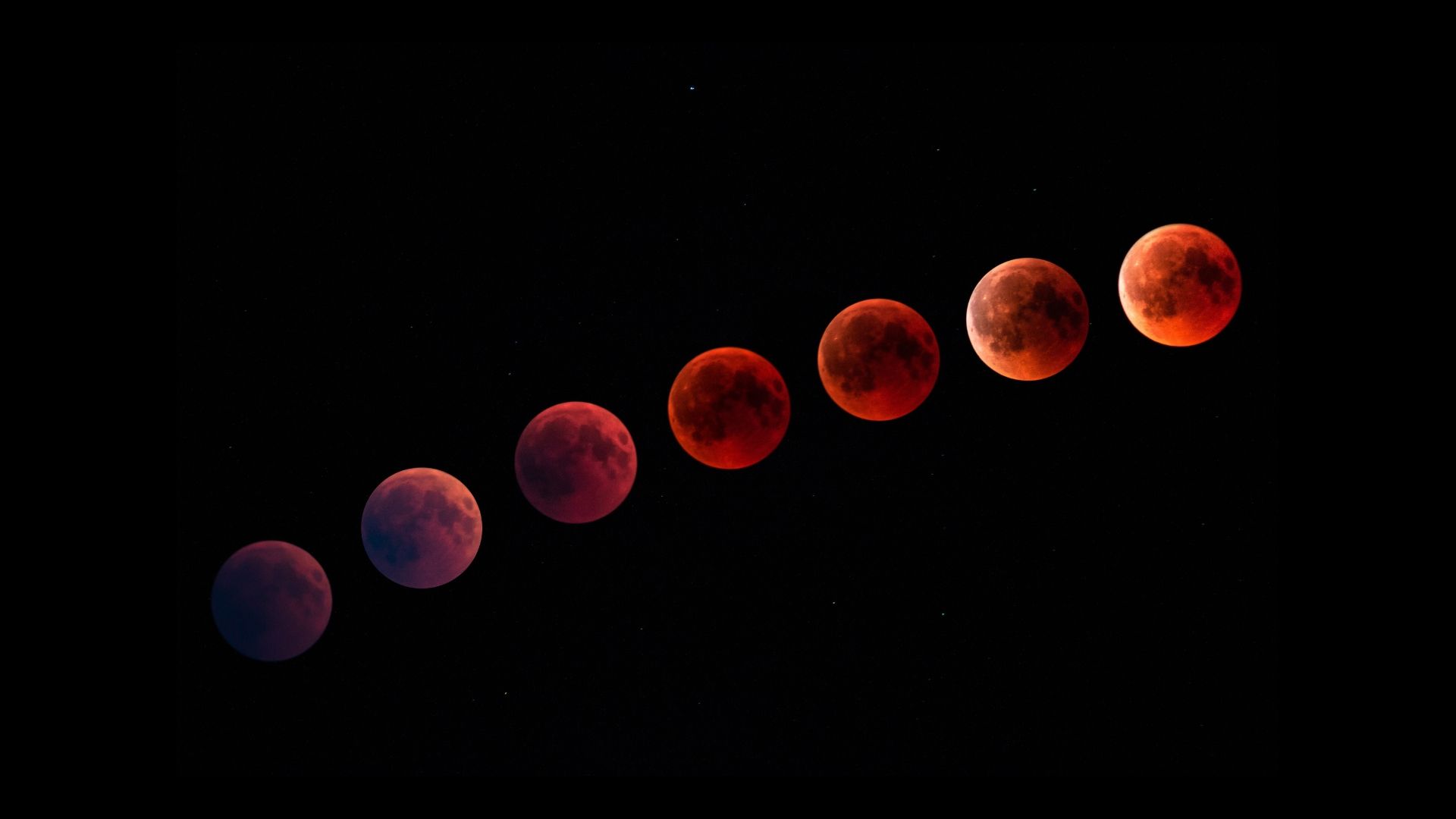
The Blood Moon Beckons: A Global Guide to the March 2026 Total Lunar Eclipse
Mark your calendars, skygazers! In the early hours of March 2-4, 2026, our planet will cast a spellbinding shadow across the Moon, gifting billions worldwide with the breathtaking spectacle of a total lunar eclipse, famously known as the "Blood Moon." NovaPress delves deep into what makes this celestial event so significant and how you can best prepare to witness it.
Understanding the Celestial Mechanics: What is a Total Lunar Eclipse?
A total lunar eclipse occurs when the Earth positions itself directly between the Sun and the Moon, casting a complete shadow—the umbra—over the lunar surface. Unlike solar eclipses, which require specific safety eyewear, lunar eclipses are perfectly safe to observe directly with the naked eye, binoculars, or a telescope. This alignment transforms the usually brilliant full moon into a dimmer, often reddish hue, a phenomenon that has captivated humanity for millennia.
The Enigmatic "Blood Moon": Why the Reddish Glow?
The mesmerizing crimson shade that gives the "Blood Moon" its evocative name is a result of Rayleigh scattering, the same atmospheric phenomenon that paints our sunsets and sunrises. During a total lunar eclipse, sunlight passing through Earth's atmosphere is filtered; shorter wavelength blue light is scattered away, while longer wavelength red and orange light penetrates our atmosphere and refracts onto the Moon's surface. The intensity of this red hue can vary depending on dust, clouds, and volcanic ash in Earth's atmosphere, making each Blood Moon a unique visual experience.
A Spectacle for Billions: Global Visibility and Its Significance
What sets the March 2026 total lunar eclipse apart is its extraordinary global visibility. Billions of people across multiple continents—weather permitting—will have the opportunity to witness this grand astronomical event. From ancient civilizations who viewed eclipses as omens to modern scientists who study atmospheric conditions, lunar eclipses have always held profound cultural and scientific importance. The widespread visibility of this particular event underscores our shared human connection to the cosmos, offering a collective moment of awe and wonder.
Preparing for Your Blood Moon Experience: Tips for Stargazers
For those planning to make an event of the Blood Moon, preparation is key:
- Location, Location, Location: While visible globally, finding a spot away from city lights will significantly enhance your viewing experience. Seek out dark sky preserves or open rural areas.
- Weather Watch: Keep a close eye on local weather forecasts as the date approaches. Clear skies are paramount for unobstructed viewing.
- Essential Gear: No special equipment is needed, but binoculars or a small telescope will provide a more detailed view of the Moon's features and the nuanced colors of the eclipse.
- Photography: If you're an aspiring astrophotographer, prepare your camera gear (DSLR/mirrorless with a telephoto lens, tripod, and remote shutter release) in advance. Practice capturing the full moon beforehand.
- Comfort: The eclipse occurs overnight, so dress warmly, bring a blanket or chair, and perhaps a hot beverage.
- Community: Many astronomy clubs and observatories organize public viewing events. Check local listings for organized gatherings to share the experience.
The Enduring Allure of Lunar Eclipses
Beyond the immediate visual splendor, lunar eclipses serve as powerful reminders of our place in the universe. They are predictable yet always awe-inspiring, connecting us to the ancient past and the endless possibilities of scientific discovery. The March 2026 total lunar eclipse is not just an astronomical event; it's an invitation to pause, look up, and be part of a global moment of celestial magic.
Don't miss this rare opportunity to witness Earth's shadow paint the Moon in hues of crimson. NovaPress will provide further updates and live coverage closer to the date.