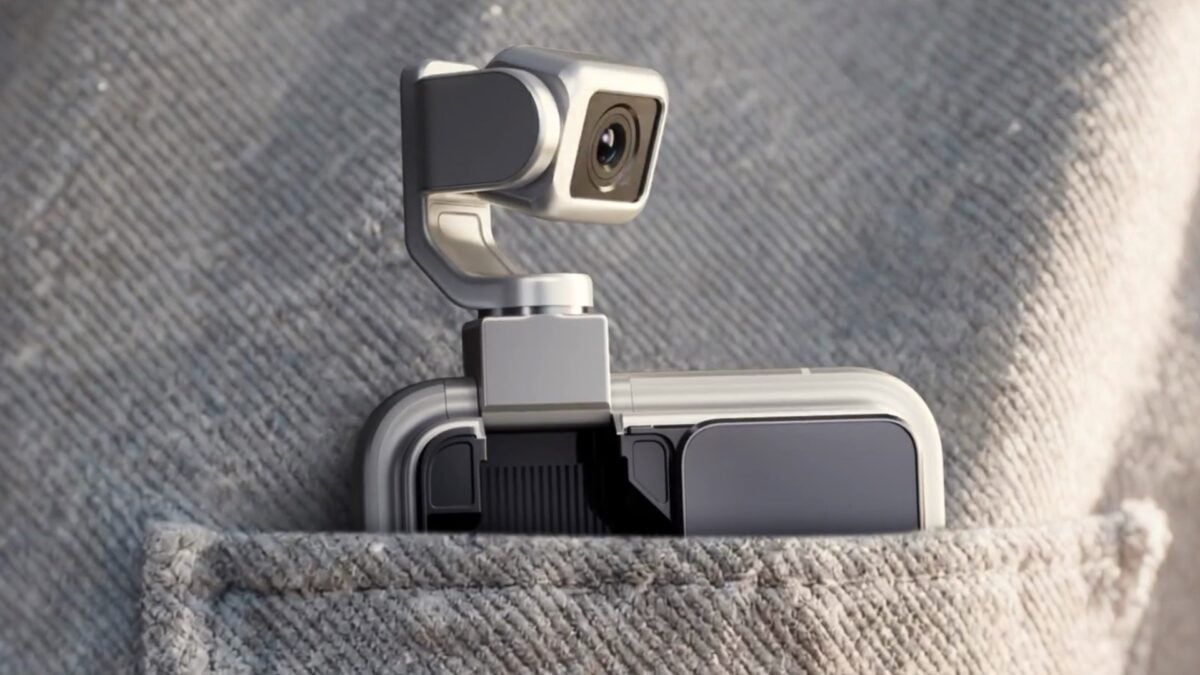
Beyond Foldables: Is the AI-Powered 'Robot Phone' the Dawn of a New Mobile Era?
As MWC 2026 approaches, the mobile world holds its breath for a potential paradigm shift that could eclipse even the foldable revolution.
The Mobile World Congress (MWC) in Barcelona has long been the crucible for mobile innovation, a stage where the future of personal communication is unveiled. From the rise of 5G to the experimental form factors of foldable phones, MWC has consistently showcased the cutting edge. This year, however, the whispers are louder, the anticipation palpable. Gizmodo's recent tantalizing hint, "Okay, This AI-Powered ‘Robot Phone’ Has My Undivided Attention - The next big thing for phones after foldables?", suggests that MWC 2026, kicking off on March 2nd, might not just present an evolution, but a full-blown revolution.
The Evolution of Mobile: From Brick to Brain
For decades, the mobile phone has been on a relentless journey of miniaturization, increased processing power, and enhanced connectivity. We've seen the transition from rudimentary call-and-text devices to powerful pocket computers, then to the visual marvels of large-screen smartphones, and more recently, the re-imagining of screen real estate with foldables. Each leap brought new functionality and redefined user interaction. Foldables, while innovative, largely focused on the display experience – more screen, more multitasking. But the "AI-powered robot phone" hints at something fundamentally different: a shift from static device to dynamic companion.
What Exactly is a 'Robot Phone'?
The term "robot phone" evokes images from science fiction, but in the context of advanced mobile technology, it suggests a device that transcends mere digital interaction. While current smartphones integrate AI for tasks like photography, predictive text, and virtual assistants, an "AI-powered robot phone" implies a more profound, potentially physical, integration of artificial intelligence and robotics. This could manifest in several groundbreaking ways:
- Dynamic Form Factor: Beyond simply folding, imagine a phone that can physically adapt its shape or deploy small, functional robotic elements to assist with tasks, perhaps even acting as a mobile projection unit or a miniature drone for quick aerial shots.
- Proactive Sentience: Moving past reactive voice commands, this phone might learn user habits, anticipate needs, and proactively offer solutions or insights, becoming a truly personalized digital extension of oneself.
- Enhanced Physical Interaction: This isn't just about touchscreens. It could involve haptic feedback so advanced it mimics real textures, or even micro-robotics that allow the device to position itself optimally for content consumption or communication.
- Seamless Environmental Integration: A robot phone might not just connect to your smart home; it might understand and interact with your physical environment in unprecedented ways, acting as a personal assistant not just in the digital realm, but in the real world too.
Beyond the Hype: Practical Implications and Challenges
Should these devices emerge as a viable product category, the implications are immense. For consumers, it promises an unparalleled level of personalization and assistance, potentially streamlining daily life in ways we can only begin to imagine. For developers, it opens up entirely new frontiers for application design, moving beyond screen-centric apps to those that leverage physical interaction and environmental awareness.
However, the path is fraught with challenges. Miniaturizing advanced robotics and powerful AI into a pocket-sized device demands extraordinary breakthroughs in battery technology, processing efficiency, and materials science. Furthermore, the ethical considerations of such advanced, potentially autonomous, personal devices cannot be overlooked. Questions of privacy, data security, and the very nature of human-device dependency will inevitably rise to the forefront.
MWC 2026: A Glimpse into Tomorrow
As global mobile brands, particularly the innovative powerhouses from China often seen at MWC, push the boundaries, the concept of an "AI-powered robot phone" signals a bold leap. If MWC 2026 truly unveils a device that captures the world's undivided attention as Gizmodo suggests, it won't just be another incremental upgrade. It could mark the beginning of a truly transformative era, redefining our relationship with mobile technology and setting the stage for the next decade of innovation. The future of mobile might not just be smart; it might just be alive.