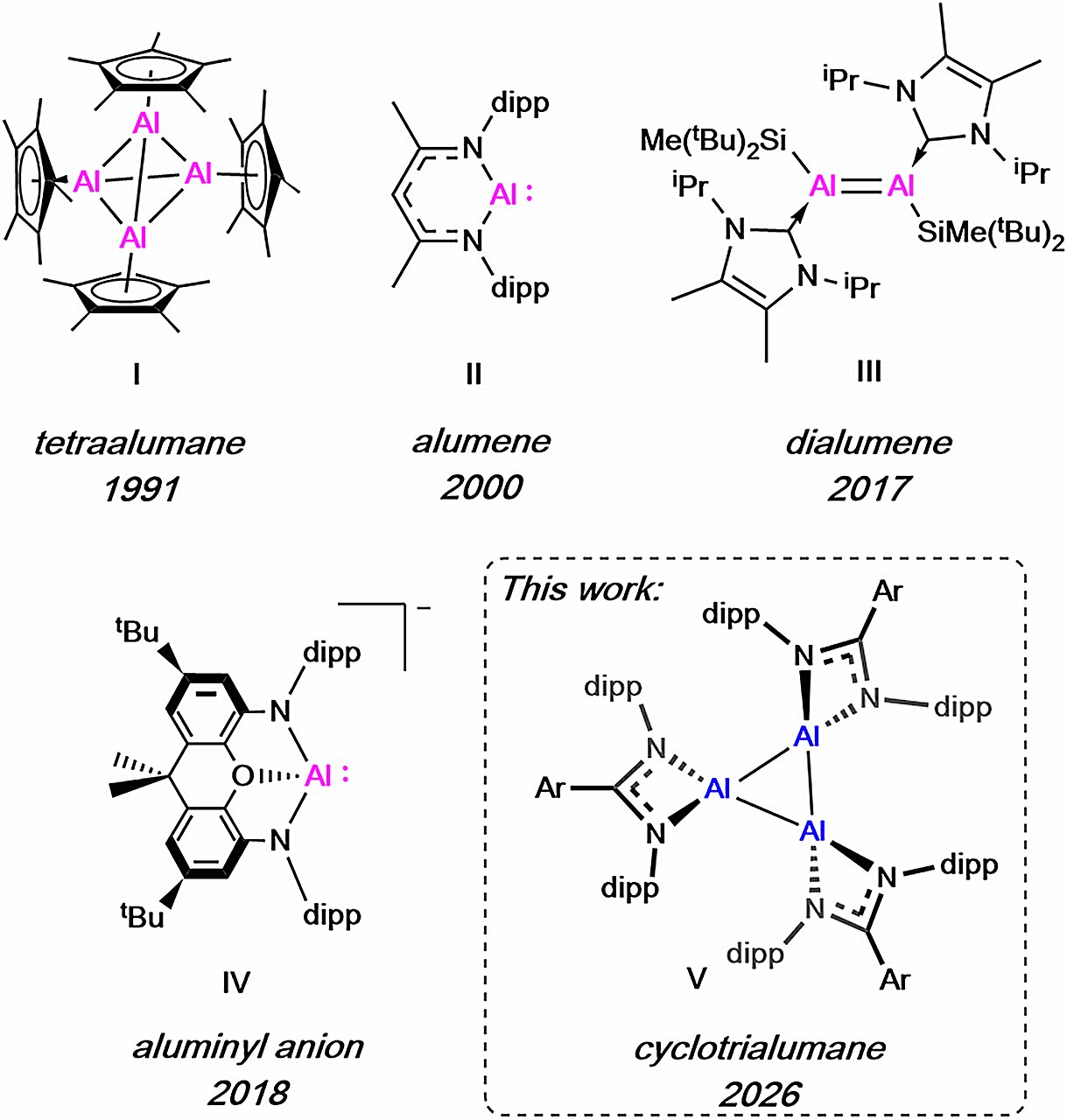
In a breakthrough that could redefine the landscape of industrial chemistry and sustainable technology, researchers at King's College London have achieved what many deemed improbable: isolating a novel form of aluminum. This isn't just another scientific curiosity; it's a potential game-changer, promising a dramatically cheaper and far more sustainable alternative to the rare earth metals currently indispensable in countless catalytic processes.
The Rare Earth Dilemma: A Modern Industrial Achilles' Heel
For decades, industries from automotive to petrochemicals have relied heavily on a specialized group of elements known as rare earth metals. Platinum, palladium, rhodium, and others are prized for their unparalleled catalytic properties – their ability to accelerate chemical reactions without being consumed. They are the silent workhorses behind cleaner emissions, efficient manufacturing, and cutting-edge pharmaceutical production.
However, this reliance comes at a steep cost. Rare earth metals are, as their name suggests, scarce. Their extraction is environmentally destructive, often involving significant water pollution and habitat disruption. Furthermore, the supply chain is fraught with geopolitical complexities, with production heavily concentrated in a few regions, leading to price volatility and supply insecurities. The quest for viable, abundant alternatives has been a scientific holy grail, with limited success until now.
Aluminum's Unexpected Transformation: A King's College Breakthrough
Enter aluminum, the third most abundant element in the Earth's crust. Historically, aluminum has been valued for its lightness, strength, and corrosion resistance, but its catalytic capabilities have been limited compared to its noble counterparts. The King's College London team, spearheaded by Dr. Clare Bakewell, Senior Lecturer, has shattered this perception.
Their research focused on manipulating aluminum at a fundamental level, creating a unique structure that imbues it with unexpected catalytic efficacy. While the precise atomic configuration remains proprietary and part of ongoing development, the essence lies in altering its electronic and structural properties to mimic, and in some cases, even surpass the performance of conventional rare earth catalysts for specific reactions. This innovative form of aluminum is not a new element, but rather a novel arrangement or phase of the existing metal, unlocking a previously dormant potential.
Unlocking a Sustainable Future: Economic and Environmental Implications
The implications of this discovery are profound. Firstly, the economic benefits are staggering. Aluminum is orders of magnitude cheaper than rare earth metals, translating to substantial cost reductions for industries currently dependent on expensive catalysts. This could democratize access to advanced chemical processes, particularly for developing nations, and drive down production costs across sectors.
Secondly, and perhaps more crucially, is the environmental dividend. By transitioning from scarce, environmentally taxing rare earth metals to abundant, sustainably sourced aluminum, industries can drastically reduce their ecological footprint. Less mining, less pollution, and a more robust, diversified supply chain align perfectly with global sustainability goals and the push towards a circular economy.
Broadening Horizons: Potential Applications Across Industries
The potential applications are vast and varied:
- Automotive: Next-generation catalytic converters that are cheaper to produce and more efficient in reducing harmful emissions.
- Chemical Manufacturing: Greener synthesis pathways for a wide range of chemicals, from plastics to fertilizers, reducing waste and energy consumption.
- Pharmaceuticals: More sustainable and cost-effective production of life-saving drugs.
- Renewable Energy: Enhanced efficiency in fuel cells and other clean energy technologies.
This breakthrough represents a paradigm shift, moving away from reliance on finite resources towards leveraging the immense potential of common elements through innovative materials science.
The Road Ahead: From Lab to Industry
While the initial findings are incredibly promising, the journey from laboratory isolation to industrial application is still ongoing. Further research will focus on scaling up production of this novel aluminum, optimizing its performance for diverse catalytic reactions, and conducting rigorous long-term stability tests. Collaborations with industrial partners will be crucial to translate this academic success into tangible commercial products.
Nevertheless, the work by Dr. Bakewell and her team at King's College London has laid a formidable foundation. It reminds us that innovation often lies not in discovering entirely new elements, but in reimagining the potential of those we already possess. This new form of aluminum is more than a scientific triumph; it's a beacon of hope for a more sustainable and economically robust industrial future.