Finally Catching Up? Google Messages' Real-time Location Feature and Its Broader Implications for Android
For years, Android users have yearned for a messaging experience that rivals the seamless integration and feature richness enjoyed by their iOS counterparts. While the journey has been long, marked by the slow adoption of RCS and varying platform capabilities, a significant leap forward is now on the horizon. Google Messages is poised to introduce a crucial feature that has long been a staple of competing platforms: real-time location sharing. This isn't just another incremental update; it represents a strategic move by Google to solidify Messages as a truly modern, competitive communication hub for the Android ecosystem.
A Long-Awaited Arrival: What Real-time Location Sharing Means
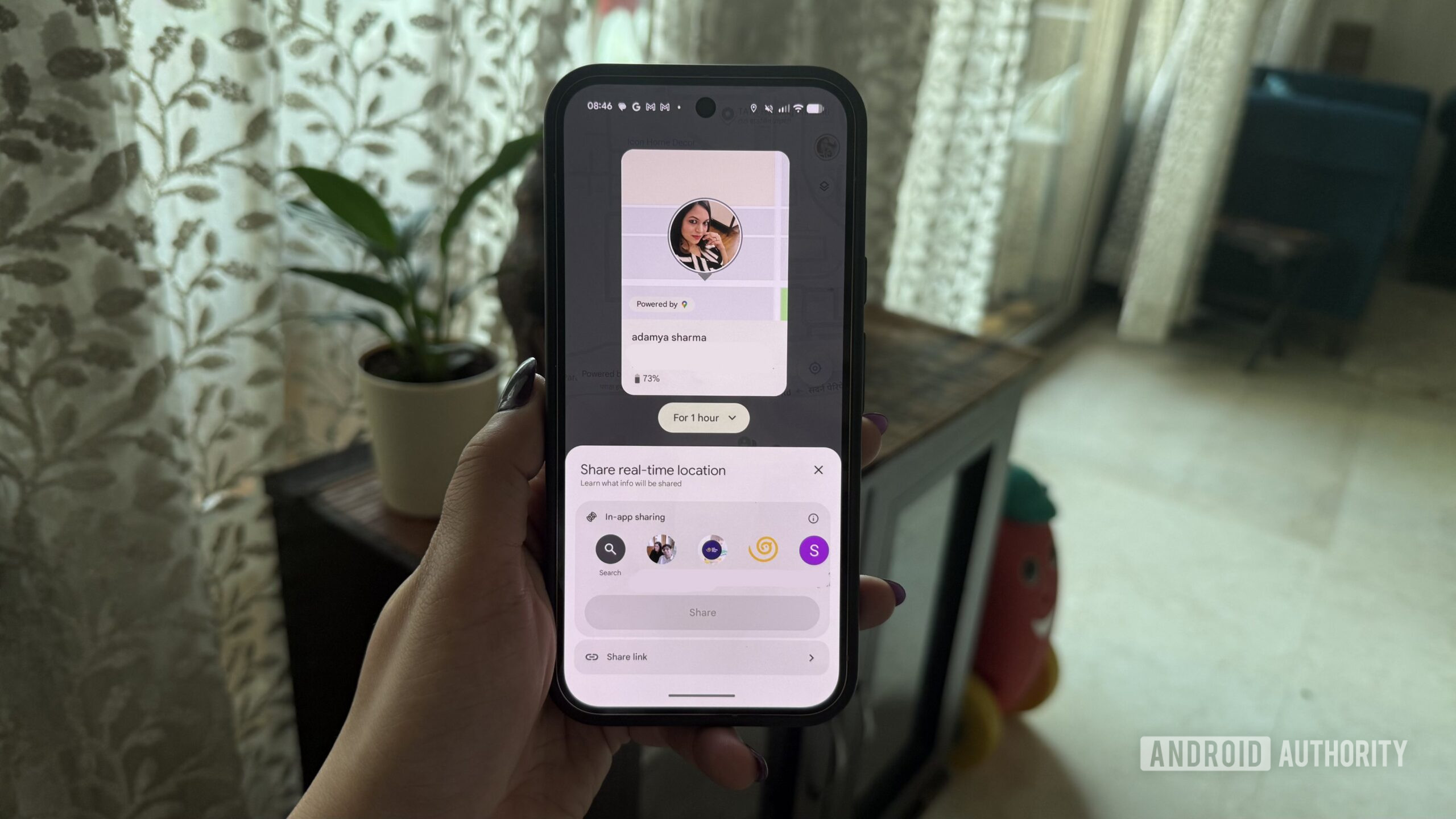
The ability to share one's live location with friends, family, or colleagues is more than just a convenience; it's a vital tool for safety, coordination, and peace of mind. Whether you're trying to meet up in a crowded place, ensuring a loved one arrives home safely, or coordinating logistics for an event, real-time location updates provide invaluable context. Until now, Google Messages has lacked this fundamental capability, forcing users to rely on third-party apps like Google Maps or resort to static location pins. The impending rollout changes this dynamic entirely.
Early glimpses into the feature reveal an intuitive implementation. Users will be able to initiate live location sharing directly within a conversation, choosing to share for specific durations—likely 15 minutes, an hour, or until manually disabled—a common and user-friendly approach seen in other messaging applications. The recipient will see the sender's dynamic position on a map within the chat interface, updating in real-time. This integration minimizes friction and keeps communication centralized within the app, enhancing the overall user experience.
Bridging the Feature Gap: Competing with the Best
The introduction of real-time location sharing in Google Messages immediately brings it closer to feature parity with established giants like WhatsApp, Apple's iMessage, and Telegram. WhatsApp, in particular, has offered robust live location sharing for years, making it a go-to for group coordination. iMessage users benefit from seamless location sharing integration within the Apple ecosystem, often leveraging 'Find My' capabilities. For Android users, the lack of this native feature within their primary messaging app has been a noticeable deficiency, often cited as a reason to stick with cross-platform alternatives.
Google's commitment to building out Google Messages as a credible iMessage competitor, especially with the push for RCS adoption, means addressing these foundational gaps. Live location sharing is not merely a 'nice-to-have'; it's a 'must-have' for any modern messaging platform aiming for widespread adoption and daily utility. By adding this, Google not only enhances the app's functionality but also sends a clear signal that it's serious about making Android's native messaging experience competitive and comprehensive.
Privacy, Security, and User Control
Any feature involving location data inevitably raises questions about privacy and security. Google, with its extensive experience in mapping and location services, will need to ensure transparent and robust controls are in place. The preview suggests that users will have explicit control over who they share their location with and for how long. The ability to stop sharing at any moment is critical for user trust. Furthermore, Google's broader commitment to end-to-end encryption (E2EE) for RCS chats, while not directly applying to the location data itself which needs to be processed by Google's servers, establishes a baseline of security for the communication channel around it. It's imperative that Google clearly communicates how location data is handled, stored, and secured to maintain user confidence.
The design principles should prioritize user agency: making it easy to understand what data is being shared, who has access, and how to revoke that access. A clear visual indicator within the chat that location is being actively shared will also be crucial for maintaining transparency.
Future Implications: A Stronger Android Ecosystem
The integration of real-time location sharing into Google Messages is more than just a standalone feature; it's a component of a larger strategy. As Google continues its relentless push for RCS as the standard for messaging on Android, adding high-demand features like this makes the platform more compelling. A feature-rich Google Messages encourages more users to adopt it as their primary messaging app, which in turn drives greater RCS usage.
This could also open doors for future integrations with other Google services, such as enhanced calendar event coordination that incorporates travel times, or even more sophisticated safety features linked to emergency services. By strengthening Google Messages, Google reinforces the entire Android ecosystem, providing a more cohesive and competitive experience against Apple's walled garden approach.
Conclusion
The arrival of real-time location sharing in Google Messages is a significant milestone. It's a clear indication that Google is listening to user demand and is serious about elevating the Android messaging experience. While catching up to competitors, Google has an opportunity to innovate in its implementation, perhaps tying into its vast mapping data and AI capabilities. This feature will undoubtedly enhance convenience, safety, and coordination for millions of Android users, further solidifying Google Messages' position as a central pillar of mobile communication. For NovaPress, it signals a promising future for a more connected and capable Android world.