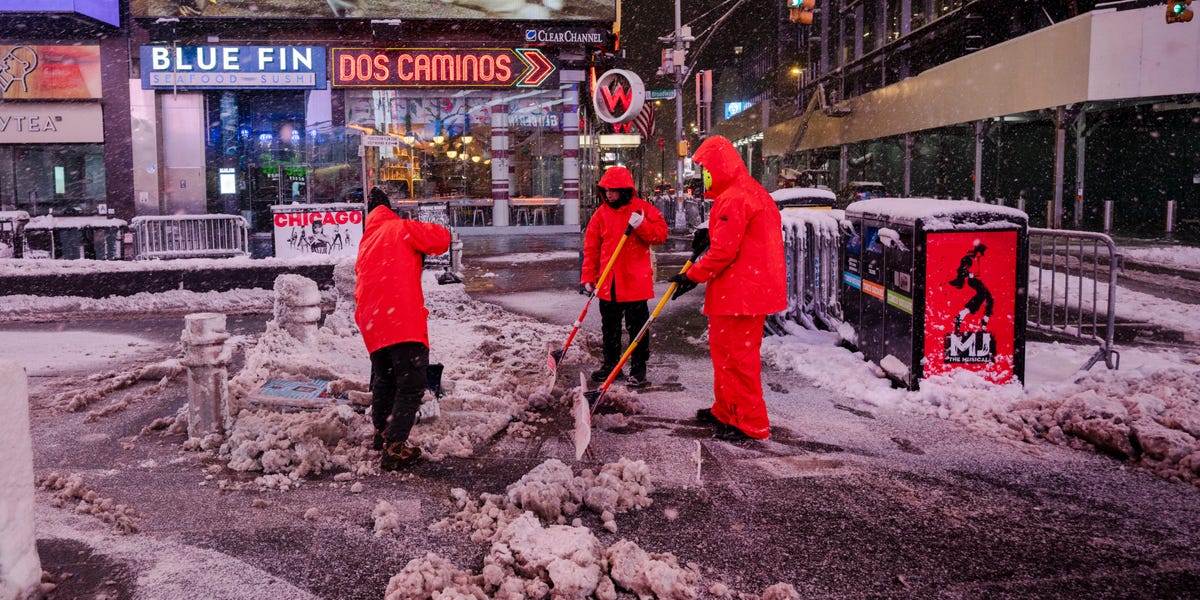
Northeast Under Siege: A Deep Dive into the Winter Storm's Unprecedented Impact and What It Means for Future Resilience
As a colossal winter storm tears through the Northeast, leaving a trail of canceled flights and widespread power outages, the immediate crisis serves as a stark reminder of our infrastructure's vulnerabilities and the escalating challenges posed by a changing climate. "NovaPress" examines the multifaceted impact of this event, moving beyond the headlines to explore the deeper implications for millions.
The Immediate Havoc: A Region Grounded and Darkened
Since Sunday, an astounding figure of over 9,000 flights has been grounded across the Northeast. Major hubs like Boston Logan, New York's JFK and LaGuardia, and Newark Liberty saw their operations grind to a halt, trapping travelers and disrupting intricate logistical networks. This unprecedented disruption isn't just an inconvenience; it represents massive economic losses for airlines, businesses, and individuals. Simultaneously, hundreds of thousands of homes and businesses have been plunged into darkness, battling freezing temperatures without heat or light. Reports from the National Weather Service, indicating snowfalls of up to 19 inches in some areas, underscore the sheer ferocity of the blizzard, pushing emergency services and utility crews to their absolute limits.
Unpacking Vulnerabilities: Infrastructure Under Strain
The immediate crisis spotlights chronic underinvestment and aging infrastructure in one of the nation's most densely populated and economically vital regions. The electrical grid, particularly susceptible to heavy snow and ice, often relies on overhead lines vulnerable to falling trees and high winds. Air traffic control systems, while robust, are simply overwhelmed by mass cancellations, creating a domino effect that ripples across the entire national — and international — aviation system. The scale of the current disruption raises critical questions about the readiness of these systems to withstand increasingly frequent and intense weather events predicted by climate scientists. Are our energy distribution networks sufficiently resilient? Can our transportation hubs adapt to rapid-onset crises?
Economic Fallout: Beyond the Ticket Price
The economic ramifications extend far beyond delayed vacations and lost airline revenue. Businesses relying on timely deliveries face supply chain disruptions. Small businesses forced to close lose critical operating days. Hospitality industries, particularly those catering to travel, suffer immediate blows. For individuals, the costs include unexpected accommodation, missed workdays, and the often-hidden expenses associated with power outages, such as spoiled food or damage from freezing pipes. Furthermore, the cost of emergency response, including snow removal, utility repairs, and humanitarian aid, places significant strain on state and local budgets, diverting resources from other essential services.
The Climate Context: A Glimpse into the Future
While individual weather events cannot be solely attributed to climate change, scientific consensus suggests that global warming is leading to more extreme weather patterns, including more intense blizzards in certain regions, often due to increased moisture in a warmer atmosphere. This storm serves as a stark harbinger of a future where such disruptions could become more common and severe. It compels a re-evaluation of long-term planning, urban development, and infrastructure design to build greater resilience against a backdrop of environmental unpredictability.
Building Resilience: A Path Forward
Addressing these challenges requires a concerted, multi-pronged approach. Investment in modernizing the electrical grid, including burying power lines where feasible and integrating smart grid technologies, is paramount. Improving airport capacity for de-icing, better communication protocols during crises, and enhancing emergency shelter and support networks are crucial. Furthermore, proactive urban planning that considers flood risks, extreme temperatures, and snowfall patterns can mitigate future impacts. Ultimately, the lessons learned from this blizzard must catalyze a broader societal commitment to climate adaptation and infrastructure resilience, ensuring that the Northeast, and indeed the nation, is better prepared for the inevitable challenges ahead.
The winter storm pummelling the Northeast is more than just a weather event; it's a stress test for our modern way of life, highlighting the urgent need for foresight, investment, and collective action in the face of an unpredictable future.