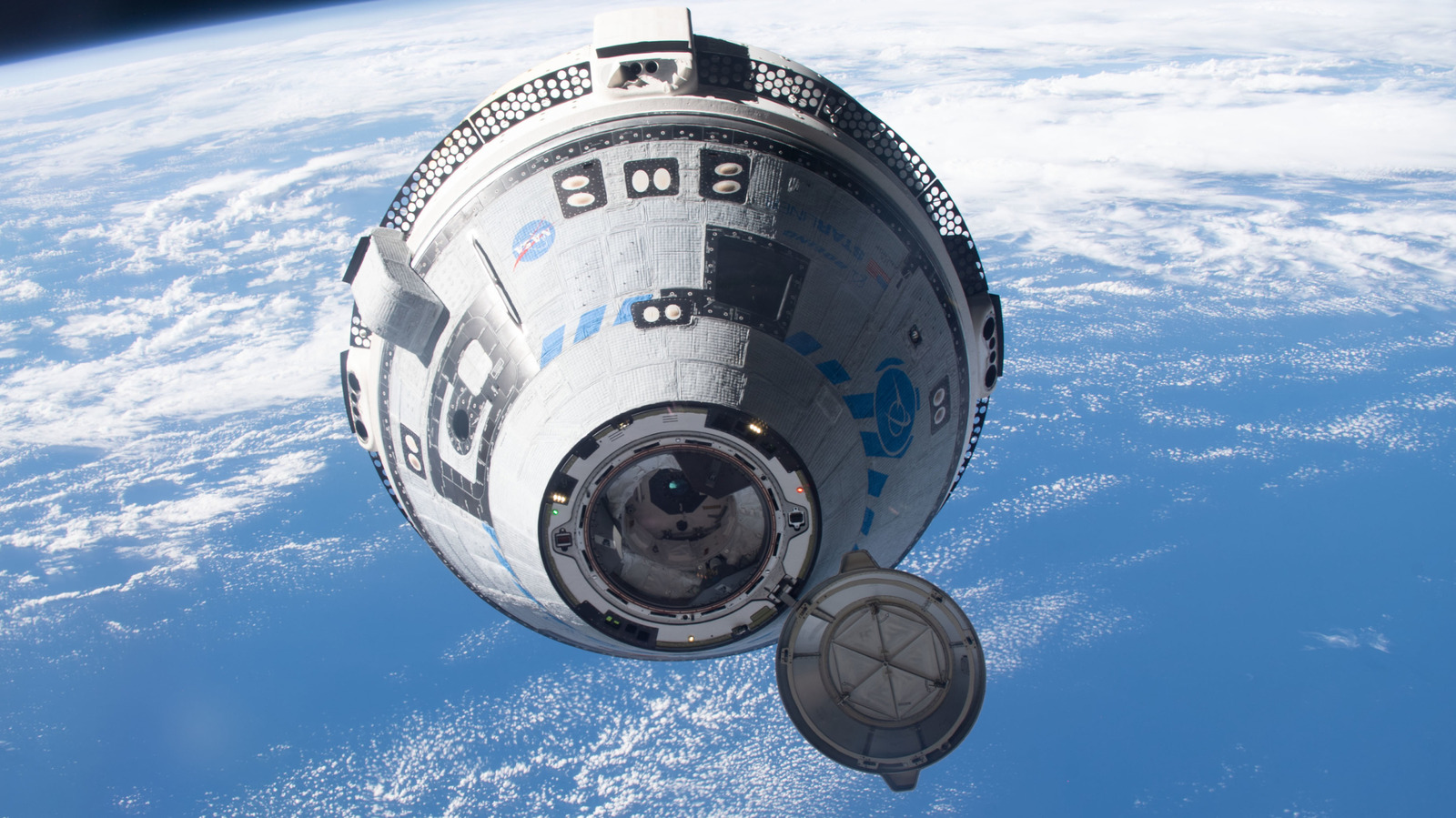
Beyond the Mishap: Unpacking NASA's Unwavering Commitment to Boeing's Starliner Despite Catastrophic Failure
In the high-stakes world of space exploration, failures are often met with swift re-evaluations, if not outright cancellations. Yet, a recent announcement from NASA regarding Boeing's Starliner program presents a puzzling paradox: despite the project's high-profile failure being officially classified as a "Maximum-Level Type A Mishap", the agency steadfastly insists on moving forward, albeit in a reduced capacity. This decision, as revealed in the comprehensive 312-page Isaacman report, begs the critical question: why the unwavering faith in a project that, by all objective measures, has stumbled so spectacularly?
The Gravity of a "Maximum-Level Type A Mishap"
To understand the weight of NASA's decision, one must first grasp the severity of a Type A Mishap. This classification is reserved for incidents involving total loss of a vehicle, serious injury or fatality, or costs exceeding $2 million. For the Starliner, this implies fundamental flaws that compromised mission integrity and potentially crew safety, had humans been aboard. The report, as summarized by Isaacman, indicates a systemic breakdown, with blame distributed widely across various levels of design, testing, and oversight. It wasn't a single point of failure but a confluence of issues, suggesting a deeper problem within the program's execution and management.
Who's to Blame? A Web of Systemic Issues
The phrase "plenty to go around" from the report is telling. It points away from a convenient scapegoat and towards a more complex narrative involving both contractor and client. Boeing, a veteran in aerospace, clearly faced significant challenges, particularly with software development and integration – areas where modern spaceflight is critically dependent. However, NASA's role in the Commercial Crew program, pushing for competition and rapid development, also comes under scrutiny. Was the pressure for a second provider so intense that it inadvertently led to compromises in diligence or oversight? The drive to create a robust, redundant system for crew transport to the International Space Station (ISS) beyond SpaceX's Dragon capsule was a strategic imperative, but the methods and timelines to achieve it appear to have been fraught with peril.
The Strategic Imperative: Why NASA Can't Quit Starliner
Despite the substantial setbacks, NASA's commitment to Boeing's Starliner isn't simply a matter of blind loyalty or sunk costs. It's rooted in a fundamental strategic need: redundancy. Relying on a single provider, even one as successful as SpaceX, carries inherent risks. A catastrophic event affecting that sole provider could cripple U.S. human spaceflight capabilities. By investing in Boeing, NASA aimed to ensure multiple, independent pathways to orbit, safeguarding national interests and astronaut safety in the long run. This vision, born from the post-Space Shuttle era's reliance on Russian Soyuz vehicles, remains a cornerstone of NASA's strategy. The agency views Starliner, despite its current woes, as a necessary component of a diversified portfolio.
The Cost of Competition and Security
The financial outlay for the Commercial Crew program, particularly for Boeing, has been immense. The initial fixed-price contracts have seen numerous adjustments and additional payments, leading to significant cost overruns. For taxpayers, the continuation of a troubled project after a "Maximum-Level" failure raises valid questions about accountability and resource allocation. Yet, from NASA's perspective, the long-term security of U.S. access to space and the fostering of a competitive commercial space sector might outweigh these immediate financial pains and reputational damage. It’s a gamble, but one NASA seems determined to see through.
Future Implications: A Path Forward, Albeit Diminished
Moving forward in "reduced capacity" likely means a more stringent, perhaps slower, development and testing phase for Starliner. Lessons learned from the 312-page report will undoubtedly lead to significant procedural changes and engineering revisions. This situation serves as a stark reminder for all commercial space partners: the gateway to human spaceflight demands unparalleled rigor and an unwavering commitment to safety. While the Starliner project may eventually achieve its goal of carrying astronauts, its journey has highlighted the immense complexities and inherent risks of pioneering new paths to the stars, especially when ambitious timelines clash with the unforgiving realities of space engineering.
NASA’s persistence with Starliner is a testament to its long-term strategic vision for a diversified and robust space ecosystem. However, it also underscores the critical need for transparent oversight and accountability, ensuring that the pursuit of redundancy never overshadows the paramount importance of safety and mission success.