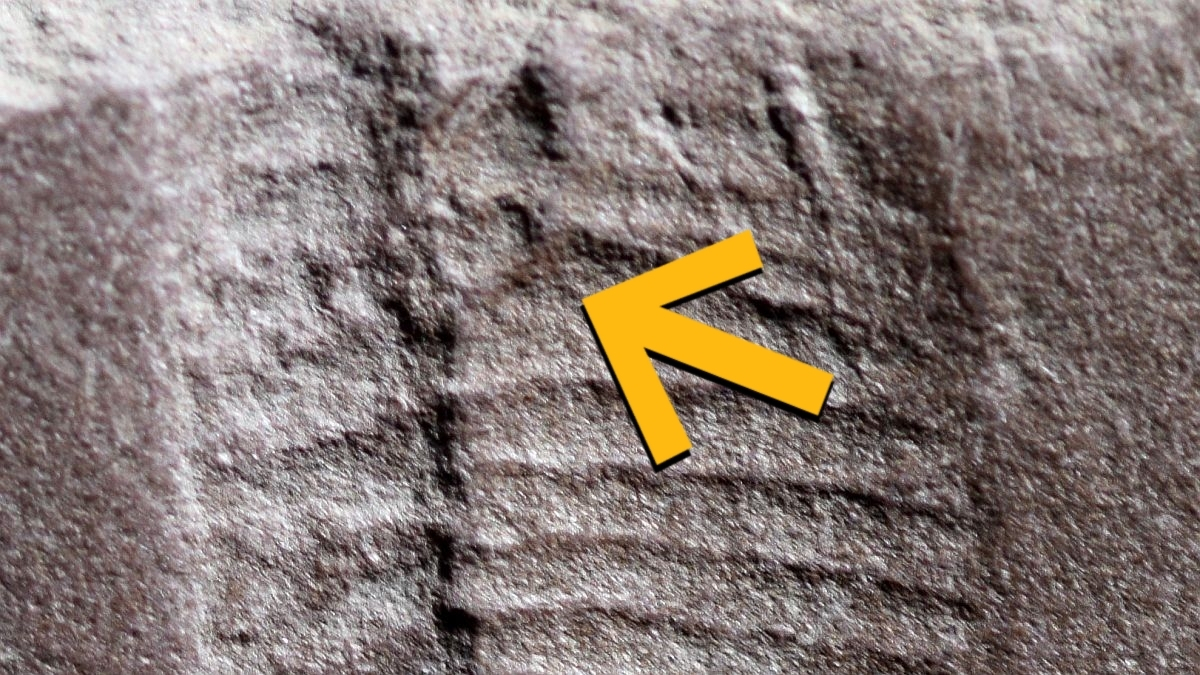
The 290-Million-Year-Old Cloaca: Unearthing Evolutionary Secrets from an Ancient Reptile's Underside
Imagine a scene nearly 300 million years ago: a nondescript reptile, perhaps a parareptile or early diapsid, taking a moment's rest in the soft, ancient mud. It rises, goes about its day, and the impression left behind is quickly buried, forgotten by time. What seems like a trivial, even humorous, occurrence has, millennia later, become one of the most remarkable paleontological discoveries of our age. Scientists have unearthed what is believed to be the oldest fossilized cloaca – the multi-purpose posterior opening – of a land vertebrate, providing an unprecedented glimpse into the private anatomy and potential behaviors of an animal from the Permian period.
More Than Just a 'Butthole': The Scientific Significance
While sensational headlines might focus on the 'fossilized butthole', the scientific community recognizes this discovery as a profound insight into vertebrate evolution. The structure in question is a cloaca, a common posterior opening in reptiles, amphibians, and birds, used for waste expulsion, reproduction, and in some species, even scent marking. Its fossilization is exceptionally rare, as soft tissues typically decompose long before mineralization can occur. The preservation of such a delicate and internally-situated structure offers a unique window into soft-tissue anatomy that is almost always lost to the fossil record.
The specimen, believed to belong to a Captorhinus, an early anapsid reptile, presents an unparalleled opportunity to study ancient anatomy with a level of detail previously unimaginable. Paleontologists can now analyze the external morphology of this critical structure, comparing it with modern analogues to infer physiological functions and evolutionary pathways.
Anatomical Clues and Evolutionary Insights
The detailed study of this fossilized cloaca reveals several fascinating features. Its shape and orientation suggest potential differences in reproductive strategies compared to modern reptiles. For instance, the presence of distinct lobes or folds could indicate structures analogous to hemipenes, the paired reproductive organs found in male snakes and lizards. This offers crucial evidence for the early evolution of internal fertilization mechanisms in terrestrial vertebrates, a significant step in their adaptation to land.
Furthermore, the texture and surrounding integumentary structures might provide clues about the animal's defensive capabilities, skin properties, and even thermoregulation. The preservation of such granular detail allows researchers to reconstruct a more complete picture of the animal's life appearance and biological functions, moving beyond mere skeletal reconstructions.
Beyond Biology: Behavioral Implications
The cloaca is not just a biological conduit; it's a hub of behavior. In many extant species, the cloaca is involved in intricate social rituals, including scent marking territory, attracting mates, and signaling dominance. The morphology of this fossil could hint at similar behaviors in ancient reptiles. If specialized glands or structures for pheromone release are discernable, it would fundamentally alter our understanding of social complexity in early terrestrial ecosystems.
This discovery compels us to consider the often-overlooked nuances of ancient animal life. While we typically focus on grand predatory events or monumental anatomical shifts, the mundane acts of daily life – eating, resting, and indeed, defecating and reproducing – are just as vital to understanding an organism's evolutionary success and ecological role.
The Future of Paleontological Discovery
The finding of this 290-million-year-old cloaca serves as a powerful reminder of the hidden treasures that still lie within Earth's geological archives. It underscores the importance of meticulous fieldwork and advanced imaging techniques that allow paleontologists to uncover and interpret such delicate structures. This breakthrough opens up new avenues of research, inspiring scientists to re-examine existing fossil collections with fresh eyes and to target specific geological formations known for exceptional preservation.
As technology advances, particularly in areas like micro-CT scanning and molecular analysis of fossilized tissues, the potential for discovering even more intricate soft tissue structures from deep time grows exponentially. What other 'private parts' of ancient creatures might reveal profound secrets about the tree of life? This single, humble imprint has undeniably reshaped our perspective on what the fossil record can truly tell us, proving that sometimes, the most significant insights come from the most unexpected places.