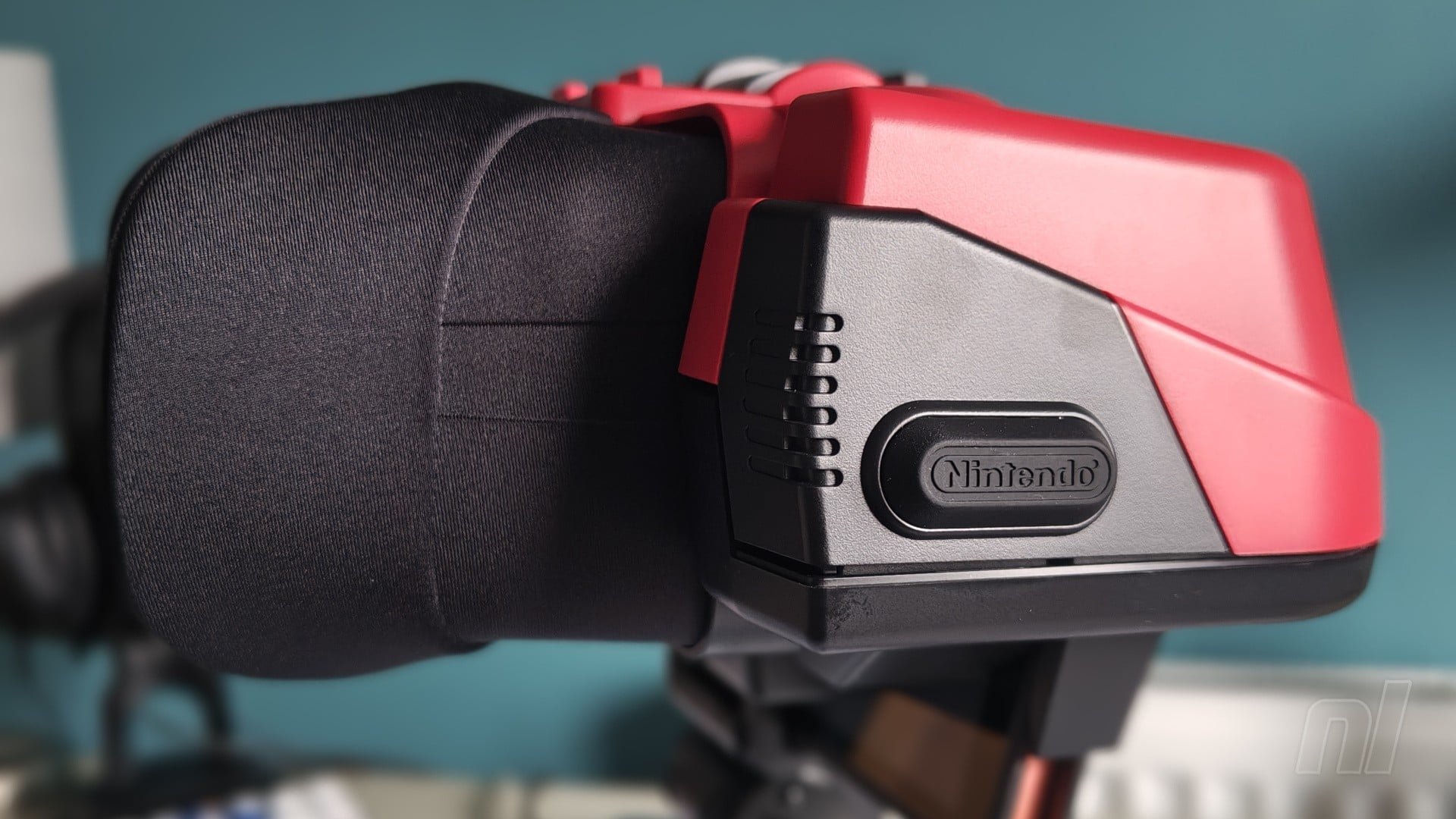
Nintendo's Red-Eyed Ghost: The Virtual Boy's Haunting Revival on Switch Online
In the annals of video game history, few consoles spark as much bewildered fascination as the Nintendo Virtual Boy. A spectacular, albeit brief, misstep in the otherwise gilded lineage of Nintendo hardware, it stands as a testament to ambitious ideas that spectacularly misfired. Yet, decades after its premature demise, this red-hued oddity is once again blinking into existence, finding an unexpected new home on the highly successful Nintendo Switch Online platform.
NovaPress delves into the bizarre legacy of the Virtual Boy, examining why it failed so spectacularly, what its revival on NSO signifies, and what this move tells us about Nintendo's evolving relationship with its own storied — and sometimes scandalous — past.
The Vision That Blared Red: Anatomy of a Failure
Launched in 1995, the Virtual Boy was Nintendo's foray into the nascent world of virtual reality. Spearheaded by Gunpei Yokoi, the visionary behind the Game & Watch and Game Boy, it promised revolutionary 3D gaming. What consumers received, however, was a clunky, tabletop-mounted headset that projected monochromatic red graphics onto a black background. The experience was notorious for inducing headaches, eye strain, and a distinct lack of comfort, making sustained play a challenge rather than a pleasure.
Its shortcomings were manifold: a prohibitive price point ($179.95 USD at launch), a limited library of only 22 games, and a marketing campaign that struggled to convey the device's true nature or appeal. Furthermore, the technology was simply not ready for the mass market; true stereoscopic 3D without discomfort was still years away. The Virtual Boy was pulled from shelves within a year, selling less than a million units worldwide, becoming one of the most significant commercial failures in Nintendo's otherwise stellar hardware record.
Why Did It Matter (Even in Failure)?
Despite its commercial flop, the Virtual Boy remains a pivotal piece of gaming history. It demonstrated Nintendo's willingness to experiment, even if those experiments sometimes led to painful lessons. It was a precursor to modern VR, showing the challenges of early adoption and the importance of user experience. And, crucially, it left behind a small collection of games that, while visually constrained, sometimes showcased innovative mechanics beneath their crimson veneer.
A Second Life, Minus the Headaches: Virtual Boy on NSO
The unexpected arrival of Virtual Boy titles on Nintendo Switch Online is more than just a novelty; it's a significant act of preservation and recontextualization. For the first time, a vast audience can experience these games without the original hardware's debilitating physical drawbacks. The NSO emulation sidesteps the monochrome red display (often allowing for color palettes or emulating the original aesthetic more subtly) and the awkward posture required by the original console.
This move by Nintendo is a fascinating exercise in historical revisionism and consumer education. It allows players who grew up hearing whispers of the Virtual Boy's legendary failure to finally understand its essence without the physical pain. It also serves as a crucial archival effort, ensuring that these games, which represent a unique branch of Nintendo's design philosophy, are not lost to time or inaccessible hardware.
What Does This Mean for Nintendo's Legacy?
Bringing the Virtual Boy games to NSO suggests a more confident and open Nintendo, willing to embrace its entire history, flaws and all. It demystifies a product that has long been shrouded in myth and cautionary tales. It also aligns with a broader trend of companies preserving their digital heritage, even the less glamorous parts.
Could this be a sign of future efforts to bring other obscure or failed Nintendo ventures into the modern light? It raises questions about the value of historical context in gaming and the importance of allowing current generations to experience the full spectrum of past innovations, both triumphant and tragic.
Conclusion: From Flop to Fascination
The Virtual Boy, once relegated to the dusty corners of retro gaming lore, is now more accessible than ever. Its journey from commercial disaster to NSO curiosity is a testament to the enduring power of historical perspective and the value of digital preservation. While it may never shed its reputation as Nintendo's peculiar red-eyed ghost, its reappearance on the Switch Online service ensures that this fascinating chapter in gaming history will continue to haunt – and perhaps even entertain – a new generation of players. It reminds us that even Nintendo's greatest failures hold valuable lessons and unique charms worth revisiting.