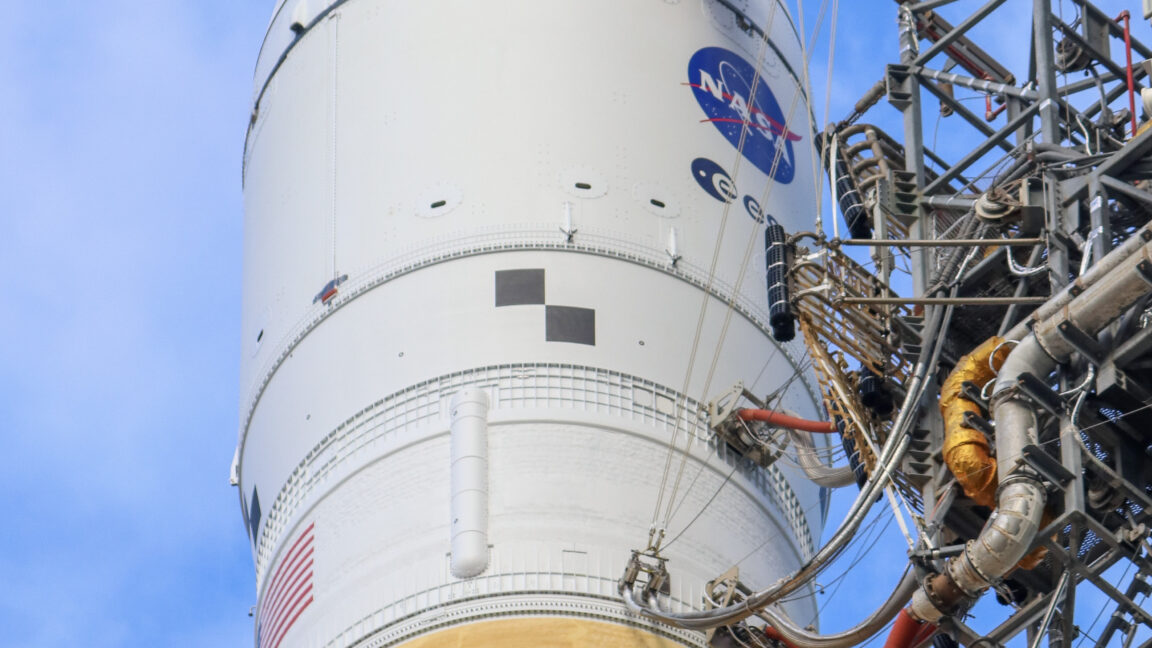
Artemis II Faces Setback: A Meticulous Pause in Humanity's Ambitious Return to the Moon
NASA's much-anticipated Artemis II mission, slated to be the first crewed test flight around the Moon in over five decades, has encountered an unexpected but necessary hurdle. The colossal Space Launch System (SLS) rocket and Orion spacecraft, poised for an unprecedented journey, must be rolled back from Launch Pad 39B to the iconic Vehicle Assembly Building (VAB) for unscheduled repairs. This decision, while delaying timelines, underscores NASA's unwavering commitment to safety and precision in the unforgiving realm of space exploration.
The Heart of the Matter: Why the Rollback?
While specific technical issues are often shrouded in the complexity of aerospace engineering, the core reason for the rollback is clear: critical systems require hands-on remediation that can only be performed within the VAB. This colossal structure, a landmark of American ingenuity, offers the unique environmental controls, gargantuan cranes, and specialized access necessary to address intricate issues on such a monumental spacecraft. Taking a vehicle of this magnitude back to its 'garage' is not a trivial decision; it involves significant time, resources, and a re-evaluation of the mission timeline. However, for a crewed mission where human lives are at stake, no compromise is acceptable.
Artemis II: A Critical Stepping Stone
The Artemis program represents humanity's ambitious return to lunar exploration, not merely for a flag-planting exercise but as a strategic stepping stone for future deep-space missions to Mars. Artemis I, an uncrewed test flight, successfully orbited the Moon and returned, validating many of the core technologies. Artemis II is designed to carry a crew of four astronauts, testing vital life support systems, communication arrays, and trajectory maneuvers in a lunar environment. It's the ultimate dress rehearsal before Artemis III attempts to land humans on the Moon's surface, including the first woman and person of color.
The VAB: A Sanctuary for Spacecraft
The Vehicle Assembly Building at Kennedy Space Center is more than just a building; it's a piece of living history. Originally constructed for the Apollo program to assemble the Saturn V rockets, and later repurposed for the Space Shuttle program, its sheer scale and capabilities are unmatched. Standing 525 feet tall, it is one of the largest buildings in the world by volume. Its ability to protect sensitive equipment from the elements and facilitate intricate repairs is indispensable. For Artemis II, the VAB is not just a repair shop; it's a vital safety mechanism, a reminder that the path to the stars is paved with meticulous planning and constant vigilance.
Implications and the Path Forward
While the rollback will undoubtedly impact the launch schedule, potentially pushing the mission further into 2025 or beyond, NASA's history is replete with examples of prioritizing safety over speed. From the Apollo 1 fire to the Challenger and Columbia disasters, the agency has learned hard lessons about the inherent risks of spaceflight. Each delay, while frustrating for enthusiasts and costly for taxpayers, represents a proactive step to mitigate potential catastrophes.
This pause allows engineers to thoroughly diagnose and rectify any identified anomalies, ensuring that when Artemis II finally takes to the skies, it does so with the highest possible degree of confidence. It reaffirms the 'crawl, walk, run' approach to complex engineering endeavors, where each step is meticulously validated before the next is attempted. For the future of lunar exploration and humanity's ambition to become a multi-planetary species, such meticulousness is not a luxury, but a fundamental requirement.
Conclusion: Patience for Progress
The temporary setback for Artemis II serves as a powerful reminder of the immense challenges and incredible rewards of space exploration. It is a testament to the rigorous standards and commitment to astronaut safety that define NASA's missions. While the wait may be longer, the ultimate goal—a safe and successful return of humanity to the lunar vicinity—is well worth every precaution. The world watches, patiently, as NASA diligently prepares for the next giant leap.