Beyond the Peanut Butter: The Crisis of Identity Brewing at Reese's as Founder's Grandson Cries Foul on Chocolate Quality
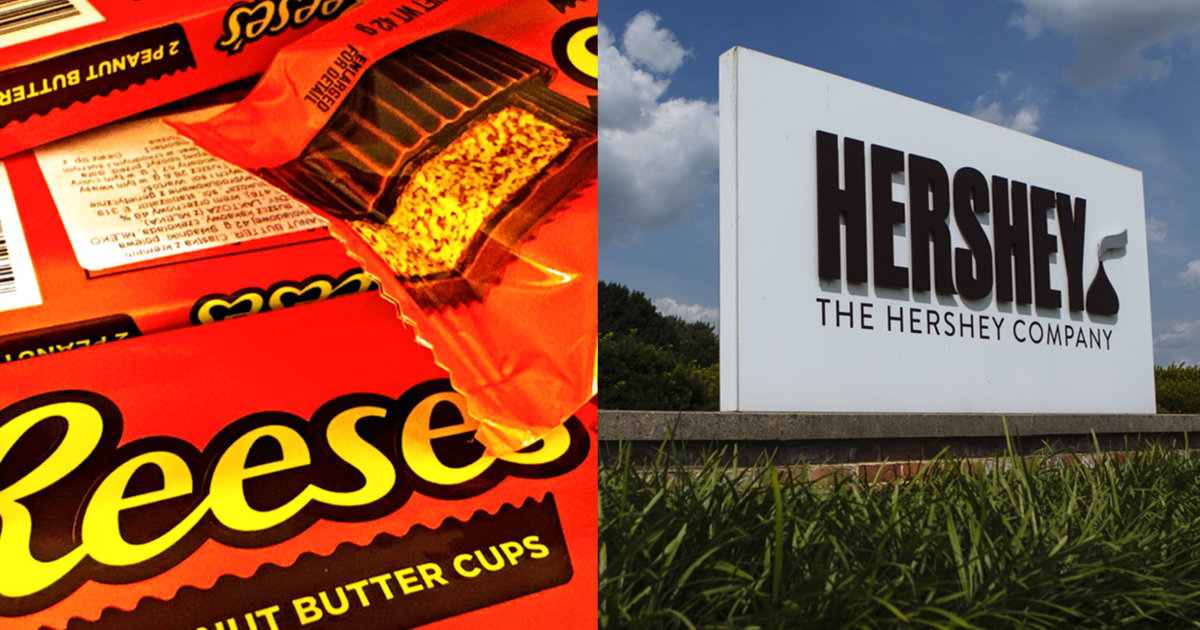
For generations, the Reese's Peanut Butter Cup has been an undisputed icon of American confectionary, a harmonious blend of creamy peanut butter and rich milk chocolate, engineered to perfection by H.B. Reese. It's a taste deeply embedded in the collective consciousness, a comforting constant in a world of ever-changing trends. But what happens when that sacred balance is disrupted? What if the very essence of what makes a Reese's special begins to erode? This is the agonizing question being posed by none other than Brad Reese, the grandson of the legendary inventor himself, whose recent encounter with a seasonal Reese's product has left him, quite literally, heartbroken.
A Legacy Under Scrutiny: The Valentine's Day Disappointment
The incident that sparked this intergenerational lament occurred on Valentine's Day. Brad Reese, perhaps expecting the familiar embrace of that iconic flavor, bit into a Reese’s Mini Heart. What followed was not the nostalgic bliss one would expect from a product bearing his family name, but a stark and jarring revelation. "It didn’t taste like milk chocolate," he told NBC News, a simple statement laden with the weight of tradition and a profound sense of disappointment. This wasn't merely a preference; it was a perceived betrayal of the very formula that built an empire.
The Anatomy of a Confectionary Icon: Chocolate's Crucial Role
While the peanut butter is undoubtedly the star of the Reese's show, the milk chocolate isn't just a supporting actor; it's the stage, the lighting, the entire set design. H.B. Reese understood that the quality and specific profile of the chocolate were paramount to achieving the perfect textural and flavor equilibrium. The chocolate encasing the peanut butter cup is designed to melt smoothly, providing a sweet counterpoint to the salty, nutty interior. Any deviation from this carefully calibrated profile can throw the entire experience into disarray, transforming a beloved treat into something lesser, something unfamiliar.
Why the Change? Unpacking Industry Pressures
Brad Reese's complaint, while personal, shines a spotlight on broader trends and pressures within the food manufacturing industry. Companies, even those with deeply established brands, constantly grapple with rising commodity costs, supply chain complexities, and evolving consumer preferences. The temptation to tweak ingredients – perhaps substituting cocoa butter with less expensive vegetable fats, altering cocoa percentages, or changing suppliers – can be immense, particularly for seasonal or limited-edition products that might be produced on different lines or with different specifications than core offerings. Such changes are often implemented to maintain profit margins, ensure wider availability, or even to adjust to regulatory shifts. However, these decisions, while economically rational, can carry significant risks for brand heritage and consumer trust.
The Peril of Product Dilution: A Threat to Brand Identity
When a brand as iconic as Reese's is perceived to compromise on a fundamental ingredient, it risks more than just a dip in sales for a single product. It threatens the very foundation of its brand identity. Consumers form deep emotional connections with food brands, especially those linked to nostalgia and childhood memories. Any perceived dilution of quality can be seen as a betrayal, eroding the loyalty built over decades. This is particularly potent when the criticism comes from within the lineage of the founder, giving it an undeniable credibility and emotional weight that external reviews might lack.
Future Implications: A Call for Transparency and Tradition
Brad Reese's "heartbreak" should serve as a wake-up call for Hershey, the current custodians of the Reese's legacy. It underscores the delicate balance between innovation, cost-efficiency, and preserving the core essence of a beloved product. In an era where consumers are increasingly scrutinizing ingredient lists and demanding authenticity, transparency regarding ingredient changes becomes paramount. Brands that fail to maintain consistency or communicate shifts effectively risk alienating their most loyal advocates. The incident also reignites the debate around the sanctity of classic recipes versus the relentless march of industrial optimization.
Ultimately, the "missing milk chocolate" in a Valentine's Reese's Mini Heart is more than just a minor confectionary oversight. It's a symbolic battle over brand integrity, a testament to the enduring power of taste memory, and a poignant reminder that some recipes, like some legacies, are worth fiercely protecting. The question for Hershey, and indeed for the entire food industry, is how to navigate the future without losing the very soul of their past.