Artemis 2's Lunar Ambitions Stalled: Critical Anomaly Forces Rollback, March Launch Window Compromised
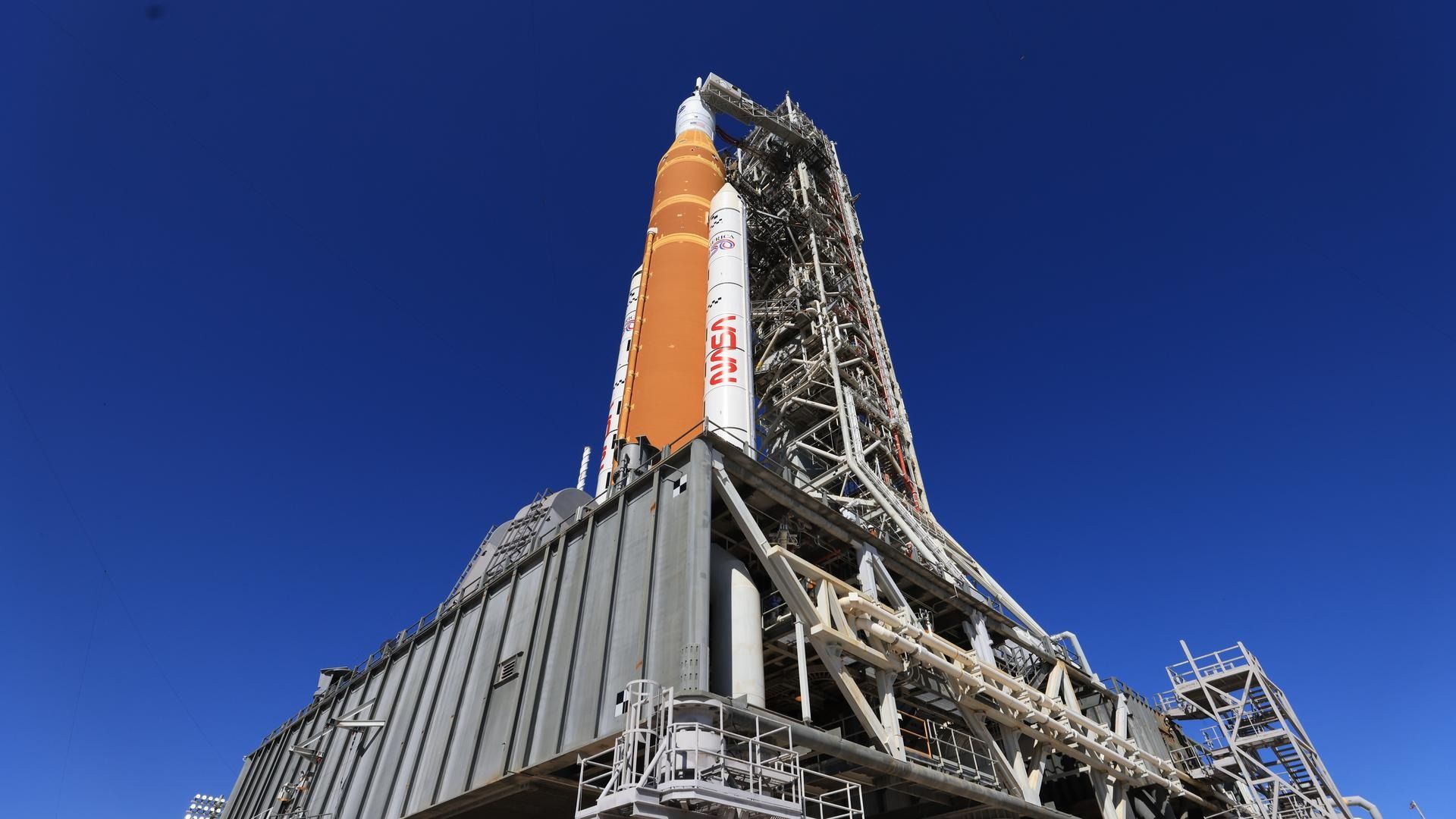
The ambitious journey to return humanity to the Moon faces an unexpected hurdle. NASA's Artemis 2 mission, poised to send a crewed Orion spacecraft around the Moon, has encountered a significant technical issue, forcing the massive Space Launch System (SLS) rocket and Orion stack to be rolled back from the launch pad. This development will, as sources indicate, almost certainly impact the previously targeted March launch window, casting a shadow of delay over the critical mission.
A Crucial Stepping Stone to Lunar Return
Artemis 2 is not just another space mission; it is the linchpin of NASA's Artemis program, designed to establish a long-term human presence on and around the Moon. Following the uncrewed, but highly successful, Artemis 1 test flight in late 2022, Artemis 2 is set to be the first crewed flight of the Orion spacecraft and the SLS rocket, carrying four astronauts on a multi-day journey that will orbit the Moon before returning to Earth. This mission is vital for testing the spacecraft's life support systems, communications, and thermal control with humans aboard, paving the way for Artemis 3, which aims to land astronauts on the lunar surface.
The Unforeseen Anomaly: A Complex Challenge
While specific details of the anomaly remain under wraps, the decision to roll the entire SLS-Orion stack off the launch pad at Kennedy Space Center's Launch Complex 39B signals a problem requiring extensive investigation and remediation. Such a rollback is a complex and time-consuming operation in itself, indicating that the issue cannot be resolved on the pad. Human spaceflight hardware, especially a system as intricate and powerful as the SLS and Orion, is an engineering marvel with millions of components, each critical to mission success and astronaut safety. Even seemingly minor issues can escalate into significant delays when safety and reliability are paramount.
The Inherent Risks of Cutting-Edge Spaceflight
Developing and operating cutting-edge space technology is inherently fraught with challenges. From sophisticated avionics and propulsion systems to intricate life support and crew interfaces, every element must perform flawlessly. Anomalies can range from software glitches and sensor malfunctions to structural concerns or issues within the spacecraft's environmental control system. Given the stakes – human lives and billions of dollars in investment – NASA and its partners operate with an abundance of caution, often leading to schedule adjustments when unexpected issues arise.
Implications of a Delayed Launch Window
The impact of pushing back the March launch window extends beyond a simple date change:
- Schedule Ripple Effect: Delays to Artemis 2 inevitably affect the subsequent Artemis 3 mission, which relies on the data and experience gained from its predecessor. NASA's ambitious timeline for returning humans to the Moon by the mid-2020s could be further strained.
- Financial Costs: Every day the massive SLS-Orion stack sits awaiting resolution incurs significant operational and maintenance costs. Extending the program timeline adds to the overall budget, which is already under intense scrutiny.
- Public Perception and Momentum: Maintaining public excitement and political support for long-duration, high-cost space programs requires consistent progress. Delays, while sometimes unavoidable, can test patience and shift focus.
- Engineering and Workforce Burden: The teams responsible for Artemis must now dedicate resources to diagnose and fix the problem, potentially diverting personnel from other critical tasks or future mission planning.
The Path Forward: Diagnosis and Determination
Rolling the SLS-Orion stack back to the Vehicle Assembly Building (VAB) allows engineers unparalleled access to perform detailed inspections, diagnostics, and any necessary repairs in a controlled environment. This process can take weeks or even months, depending on the severity and complexity of the issue. Once the problem is identified and a solution implemented, the stack will undergo rigorous re-testing before being cleared for another rollout to the launch pad.
Despite the setback, NASA's commitment to the Artemis program remains unwavering. The agency's history is replete with examples of overcoming monumental technical challenges through meticulous engineering, perseverance, and a steadfast dedication to safety. While the delay is certainly disappointing for space enthusiasts and the teams involved, it underscores the inherent difficulty and profound responsibility of human spaceflight. The lesson from history is clear: prioritizing safety and thoroughness in the face of technical hurdles is the only path to sustainable exploration.
Conclusion
The Artemis 2 anomaly serves as a stark reminder of the intricate dance between ambition and engineering reality in space exploration. While the March launch window is now off the table, the setback is a testament to NASA's rigorous safety protocols. The world will watch as engineers work tirelessly to resolve the issue, ensuring that when Artemis 2 finally lifts off, it does so with the utmost confidence, pushing humanity further into the cosmos and closer to its lunar destiny.