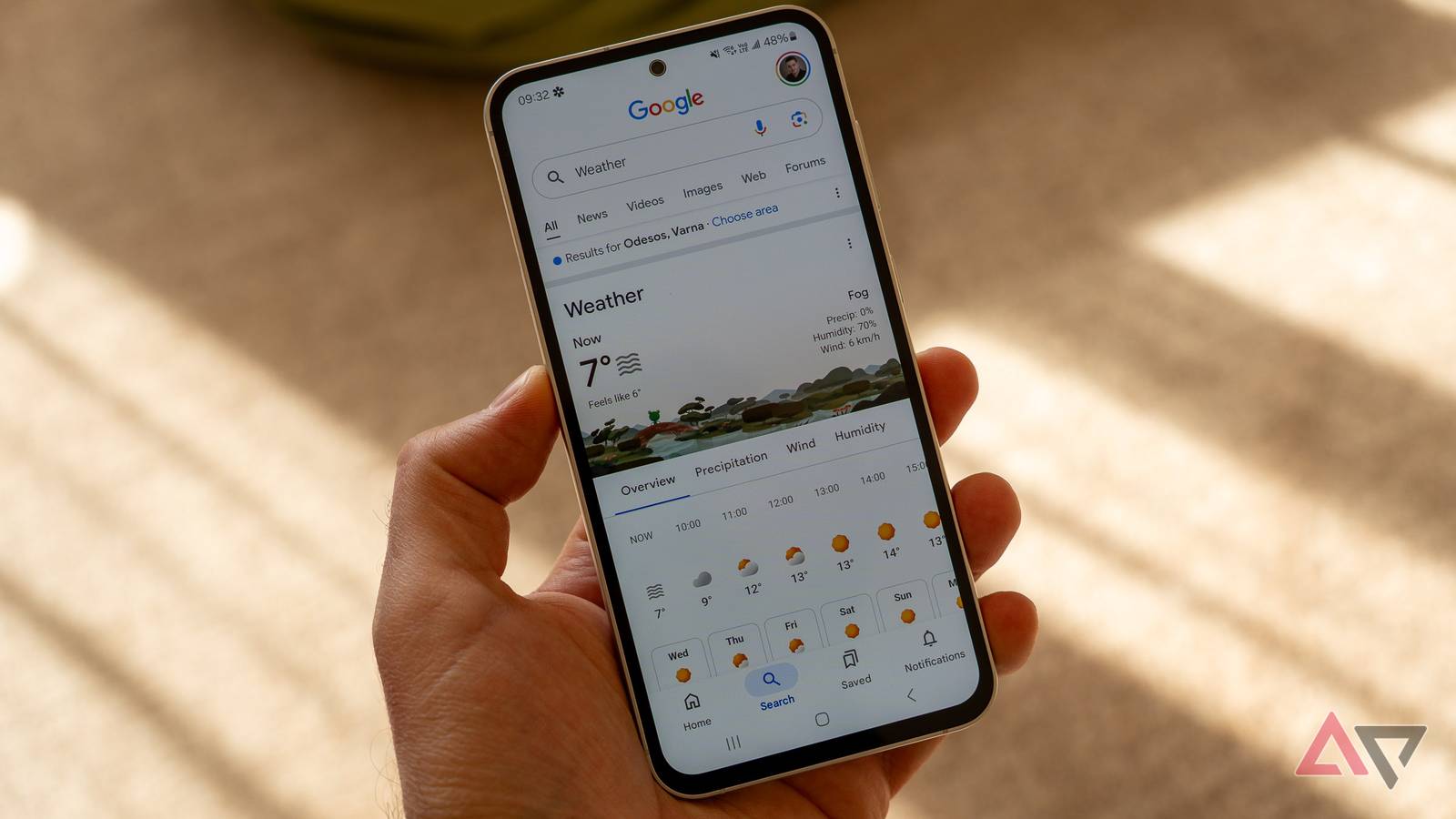
The Google Graveyard Claims Another: Decoding the Disappearance of Google Weather for Android
NovaPress Exclusive
For seasoned users of Google's vast ecosystem, a familiar, unsettling rhythm has become almost expected: the lifecycle of a Google product. It’s a cycle of enthusiastic launch, often followed by a period of evolution, and then—for many—an abrupt, unceremonious shutdown. This time, the latest casualty to enter the infamous "Google Graveyard" is the beloved Google Weather experience for Android.
A Familiar Forecast: The End of Google Weather for Android
The news, though perhaps not entirely surprising given Google's history, still lands with a thud for many. Google Weather, often accessed through a simple search or the "at a glance" widget, has been a reliable, minimalist, and deeply integrated part of the Android experience for years. It offered quick access to essential weather information without the need for a dedicated third-party application, leveraging Google's clean interface and data prowess. Its convenient access and seamless integration made it a staple for millions, often serving as the default weather source for those who appreciated its straightforward approach.
The Google Product Paradox: Innovation and Oblivion
The pattern is well-documented: Google Reader, Google+, Stadia, Project Ara, Inbox by Gmail – the list of innovative, yet ultimately discontinued, Google products is extensive. As the source aptly puts it, Google has a "tendency to release, change, shut down, reinvent, and even revive its products." This strategy, while enabling rapid experimentation and quick pivots, often leaves users in a state of uncertainty. For every successful product like Search or Gmail, there are dozens that are launched, tweaked, and then unceremoniously abandoned, sometimes after building a loyal user base.
Why does Google operate this way? Part of it stems from its internal culture of innovation, where teams are encouraged to develop new ideas. However, without a clear, long-term strategic vision for every single product, or perhaps due to internal competition and resource reallocation, many services simply don't make the cut in the long run. The company's vast resources allow for simultaneous pursuit of numerous projects, but also necessitate a harsh culling process to maintain focus and efficiency, or so the official line often goes. Users, however, experience this as a fluctuating commitment, impacting their trust in new Google offerings.
What This Means for Android Users and the Ecosystem
For millions of Android users, the immediate impact will be the need to find an alternative. While Android's open nature means there's no shortage of excellent third-party weather apps – from AccuWeather to The Weather Channel, and countless smaller developers – the loss of Google's integrated solution is significant. It represents another step towards fragmenting the core Android experience, pushing users to external solutions rather than providing a unified, built-in offering.
This move also subtly shifts the competitive landscape. By removing a popular, free, and integrated option, Google effectively opens the door wider for third-party developers. While beneficial for the app ecosystem, it also means users might encounter more ads, less privacy, or varied user experiences compared to what Google's native solution provided. It raises questions about Google's overall strategy for core Android functionalities. Is it aiming to streamline its offerings, or is it subtly nudging users towards other Google products, perhaps an enhanced Google Assistant experience that incorporates weather more deeply?
Looking Ahead: The Ever-Changing Forecast
The discontinuation of Google Weather for Android is unlikely to be the last such announcement. As Google continues to evolve, especially with the rapid advancements in AI, we can expect more consolidation, reinvention, and perhaps even some truly innovative "revivals" of past concepts in new forms. For users, the lesson is clear: enjoy Google's products while they last, but always be prepared for change. The tech giant's forecast remains perpetually unpredictable, a mix of brilliant sunshine and sudden storms, leaving us to adapt our digital umbrellas accordingly.
What's next for your Android device's weather? You'll likely rely on widgets from dedicated weather apps or prompt your Google Assistant. While the core functionality remains, the seamless, integrated "tap and go" experience of Google Weather is now part of tech history. It's a reminder that in the fast-paced world of technology, even the most ubiquitous services are never truly permanent.