The Perilous Path to Profit: Lucid Motors' Layoffs Signal Deeper EV Market Headwinds
The shimmering promise of the electric vehicle (EV) revolution continues to collide with the harsh realities of manufacturing, market competition, and profitability. In the latest sign of strain, Bay Area luxury EV maker Lucid Motors has announced another significant round of layoffs, impacting 12% of its workforce. This move, following previous staff reductions, underscores the profound challenges facing even the most ambitious players in the increasingly cutthroat automotive landscape.
A Dream Deferred: Lucid's Vision Meets Market Reality
Lucid Motors burst onto the scene with a bold vision: to redefine luxury electric performance. Its flagship vehicle, the Lucid Air, garnered critical acclaim for its stunning design, groundbreaking range, and blistering performance. Positioned as a direct competitor to high-end luxury sedans and even Tesla's premium offerings, Lucid aimed to capture a segment of discerning buyers looking for an EV that didn't compromise on opulence or engineering prowess.
However, translating that vision into sustained profitability has proven to be an arduous journey. Building an automotive company from scratch is an extraordinarily capital-intensive endeavor, requiring massive investments in R&D, manufacturing facilities, supply chain development, and global sales and service networks. For a startup like Lucid, even with significant backing, the financial burn rate can be unsustainable without robust sales volumes and efficient production.
The Broader EV Shakeout: Competition Intensifies
Lucid's struggles are not isolated; they reflect a broader consolidation and re-evaluation occurring across the entire EV sector. Tesla, the undisputed market leader, has maintained its dominance through aggressive pricing strategies and unparalleled production scale. Meanwhile, established legacy automakers like Mercedes-Benz, BMW, and Porsche are pouring billions into their own sophisticated EV lineups, leveraging decades of manufacturing expertise and existing customer bases.
The market for premium EVs, while growing, is also finite and highly competitive. Consumers are becoming more discerning, demanding not just electric propulsion but also proven reliability, advanced technology, and competitive pricing. High interest rates and broader economic uncertainties are also dampening discretionary spending on luxury items, further squeezing demand for high-priced vehicles.
For companies like Lucid, which have focused on the ultra-luxury niche, achieving the necessary scale to cover astronomical fixed costs becomes an existential challenge. Each vehicle produced needs to contribute significantly to the bottom line, and any hiccup in production, supply chain, or sales can have cascading financial consequences.
The Gravity of the Situation: A Glimmer of Hope or Another Hurdle?
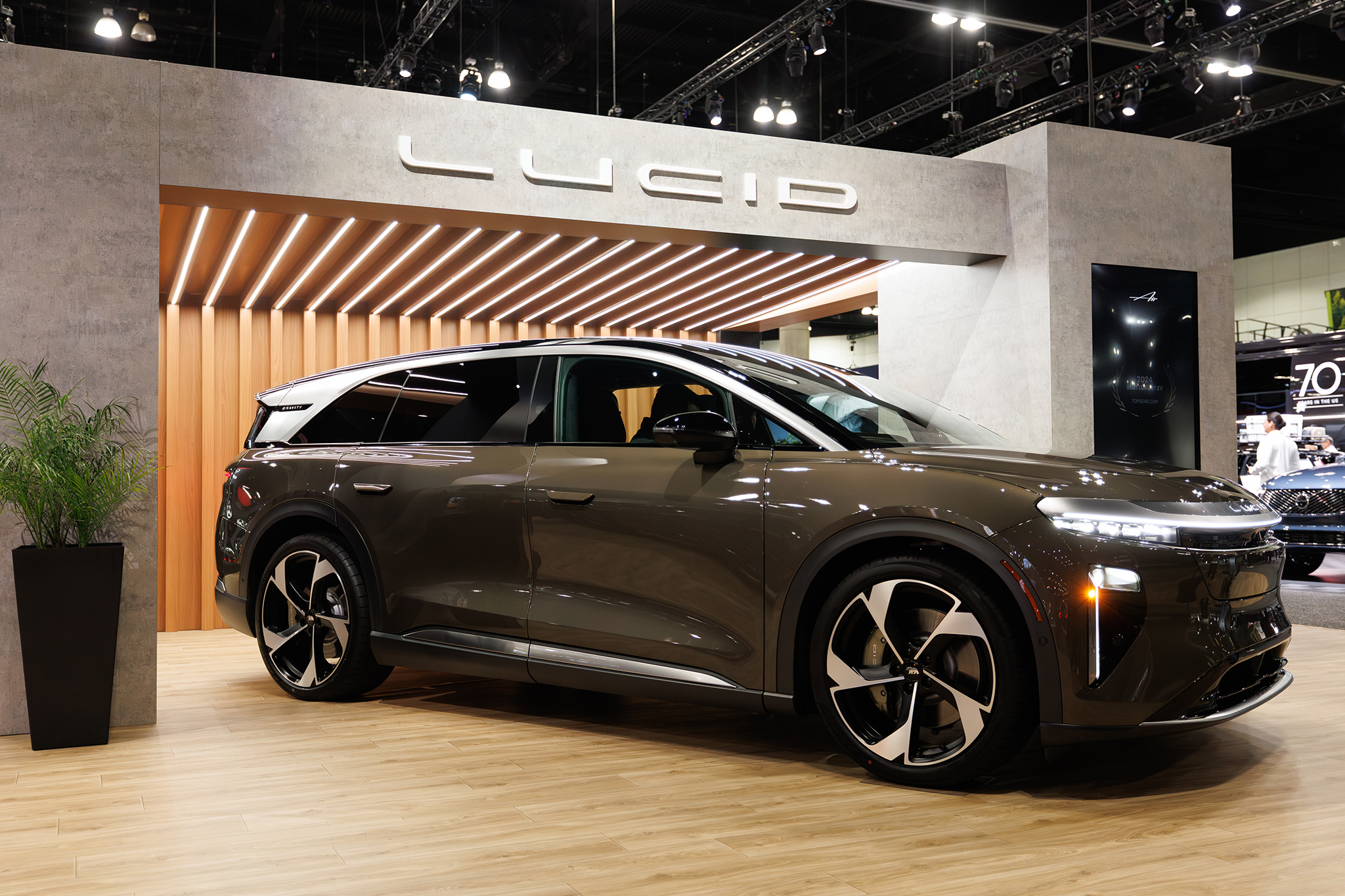
Amidst these challenges, Lucid has pinned significant hopes on its upcoming SUV, the Lucid Gravity, which was recently displayed at the Los Angeles Auto Show. SUVs continue to dominate consumer preferences globally, and an entry into this lucrative segment could potentially open up new revenue streams and attract a broader customer base.
However, launching a new vehicle, especially one as complex as a luxury electric SUV, requires immense additional capital and flawless execution. It introduces new production hurdles, supply chain complexities, and marketing costs. For a company already shedding staff and down billions in value, the Gravity represents a high-stakes gamble – a potential lifeline if successful, or a further drain on already strained resources if not.
Future Implications: A Test of Endurance
Lucid's ongoing restructuring signals a pivotal moment for the company. The layoffs, while painful, are often a desperate measure taken to right-size operations and extend financial runways. The question remains whether these measures will be sufficient to navigate the treacherous path to profitability in a market that shows no signs of easing its competitive pressures.
For the broader EV industry, Lucid's struggles serve as a stark reminder that innovation and vision alone are not enough. Sustainable success demands impeccable operational efficiency, robust financial management, and a keen understanding of evolving consumer demands. As the EV market matures, a significant shakeout among startups and niche players is increasingly likely, with only the most resilient and well-funded ventures expected to survive and thrive. The dream of electric mobility is bright, but the road to getting there is proving to be a true test of endurance.