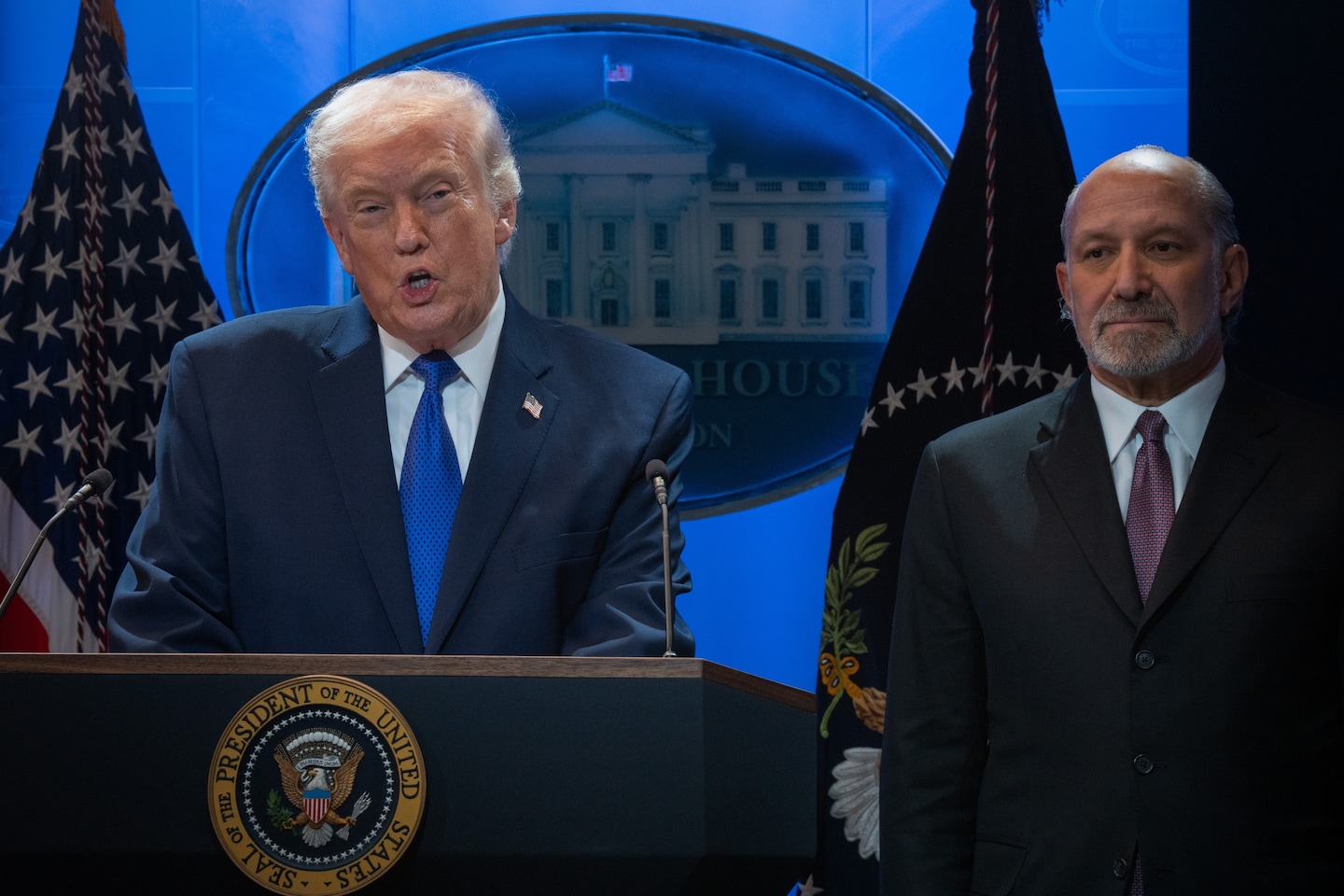
NovaPress Analysis: Supreme Court Deals Monumental Blow to Trump's Tariff Legacy, Reshaping Economic and Political Landscape
In a decision reverberating through Washington and across the nation, the Supreme Court delivered a significant ruling on Friday, striking down a substantial portion of President Donald Trump's signature tariffs. This judicial intervention is not merely a legal setback; it represents a profound challenge to a cornerstone of the administration's economic policy and marks a stinging political defeat for the president.
The Heart of Trump's "America First" Economy Undermined
Since the early days of his presidency, President Trump championed tariffs as a primary tool to reshape global trade, protect domestic industries, and force concessions from trading partners like China. These duties on imported goods were central to his "America First" agenda, intended to incentivize domestic production and reduce trade deficits. For years, the imposition of these tariffs, often unilaterally, defined his administration's approach to international commerce, sparking trade wars and considerable debate among economists and businesses alike.
The Supreme Court's decision to invalidate most of these tariffs directly targets this core strategy. While the specifics of the Court's reasoning were not immediately detailed, such a broad ruling typically stems from interpretations of congressional authority over commerce or limits on presidential power regarding trade policy. This effectively curtails the executive branch's ability to wield tariffs as freely as the Trump administration had, setting a precedent that could impact future presidential actions.
A Stinging Political Setback for the President
Beyond the economic implications, the ruling is undeniably a significant political blow to President Trump. Tariffs were not just a policy; they were a symbol of his willingness to challenge the global status quo and deliver on campaign promises to bring back manufacturing jobs. This judicial rebuke undermines his narrative of strength and decisive action on the international stage. Opponents are likely to seize on this development, portraying it as evidence of overreach or ineffective policy, especially as the political landscape heats up.
The ruling also casts a shadow over the "wins" the administration might have previously claimed due to tariff negotiations. It forces a reevaluation of the long-term effectiveness and legality of these measures, potentially fueling questions about other aspects of his economic legacy.
Broader Economic Repercussions and Future Implications
The immediate economic fallout of this decision is multifaceted. For industries and consumers who bore the brunt of increased costs due to tariffs, this could offer a measure of relief. Businesses reliant on international supply chains might see a reduction in operating expenses, potentially leading to lower consumer prices or increased investment. However, domestic industries that had benefited from tariff protection might now face renewed competitive pressures.
More broadly, the Supreme Court's intervention signals a potential shift in the balance of power concerning trade policy. It underscores the judiciary's role in policing the boundaries of executive authority, reminding future administrations that even deeply held policy objectives must operate within established legal frameworks. This could lead to a more collaborative, or at least judicially scrutinized, approach to trade negotiations and policy formulation going forward.
For the global economy, the ruling could be interpreted as a move towards greater stability and predictability, reducing some of the trade tensions that have characterized recent years. It might encourage a return to more traditional multilateral approaches, even if the underlying geopolitical rivalries remain.
Looking Ahead: A Defining Moment
This Supreme Court decision is more than just a legal technicality; it is a defining moment that will likely shape policy debates for years to come. It challenges the very foundation of President Trump's economic nationalism and reasserts the judiciary's critical role in upholding constitutional checks and balances. As the dust settles, all eyes will be on how the administration, Congress, and the business community adapt to this significant recalibration of American trade policy.