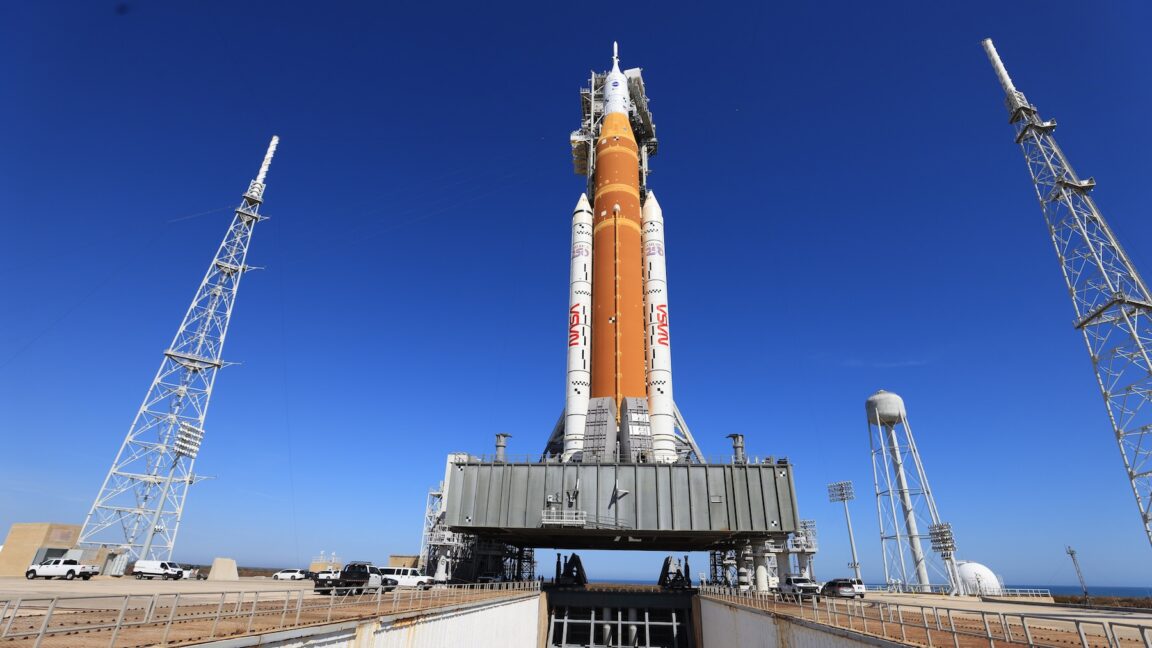
Artemis II: Fueling Test Fuels Optimism for a Monumental March Lunar Launch
In a significant stride for humanity's return to deep space, the Artemis II mission is now targeting an early March launch, specifically March 6, following a successful critical fueling test. This pivotal development has ignited a fresh wave of optimism within NASA and the wider space community, marking a tangible step closer to the first crewed lunar mission in over half a century.
The Road to Readiness: A Critical Milestone Achieved
The recent fueling test, while details of its execution remain under wraps beyond its success, represents an enormous hurdle cleared for the Artemis II mission. This kind of test, often involving the cryogenic loading and detanking of propellants into the Space Launch System (SLS) rocket, is designed to validate the intricate ground systems, vehicle integrity, and launch procedures under near-flight conditions. Its successful completion signals that the colossal SLS and its Orion spacecraft are performing as expected when filled with super-cold liquid hydrogen and liquid oxygen – a process fraught with engineering complexities and potential for delays.
For a mission as ambitious as Artemis II, which aims to send four astronauts around the Moon, such tests are not merely rehearsals; they are integral components of the flight qualification process. They provide invaluable data on thermal stability, pressure regulation, leak detection, and overall operational readiness, assuring engineers that the integrated stack can endure the extreme conditions of propellant loading, a crucial precursor to the stresses of launch and spaceflight.
Artemis II: A Bridge to Deep Space Exploration
Artemis II is more than just a trip around the Moon; it is the critical second act in NASA's ambitious Artemis program and the first crewed flight of the SLS and Orion. Following the uncrewed Artemis I's highly successful journey in late 2022, Artemis II will carry astronauts Reid Wiseman, Victor Glover, Christina Koch, and Canadian Space Agency's Jeremy Hansen on a lunar flyby, pushing the boundaries of human presence further than ever before. Their mission objectives include testing Orion's life support systems, communications, and navigation in the deep space environment, directly paving the way for Artemis III, which intends to land humans on the lunar south pole.
The significance of this mission extends beyond technological validation. It symbolizes a renewed global commitment to human space exploration, fostering international partnerships and inspiring a new generation. The data gathered from Artemis II, from crew performance in deep space to system endurance, will be indispensable for establishing a sustainable lunar presence and, ultimately, for preparing humanity for the monumental journey to Mars.
March 6: Optimism Tempered by Prudence
While the 'March 6' target date reflects growing confidence, the caveat that 'there is still pending work' underscores the meticulous nature of space launches. This pending work likely encompasses a myriad of final checks: software updates, detailed data analysis from the fueling test, final hardware inspections, astronaut training readiness, and the ever-present considerations of weather windows and range availability. NASA's cautious approach is a testament to its commitment to crew safety and mission success, recognizing that rushing a complex deep-space mission is never an option.
The optimism, however, is well-founded. The successful fueling test represents the elimination of a major unknown, allowing the focus to shift towards these final, albeit crucial, preparatory steps. The aerospace industry and public alike will be watching intently as NASA navigates this final stretch, each passing day bringing us closer to witnessing history unfold.
The Future of Humanity in Space
The Artemis program is not just about returning to the Moon; it's about building a sustainable future off-world. By establishing a permanent human presence on and around the Moon, NASA and its partners aim to develop technologies and operational procedures that will be essential for longer-duration missions to Mars. Artemis II is the critical stepping stone, validating the vehicle and human capabilities required for such an ambitious endeavor.
As we anticipate the launch of Artemis II, the feeling is one of profound excitement and renewed purpose. The successful fueling test has transformed a hopeful aspiration into a concrete, achievable goal, reminding us that the spirit of exploration continues to drive humanity to new frontiers.