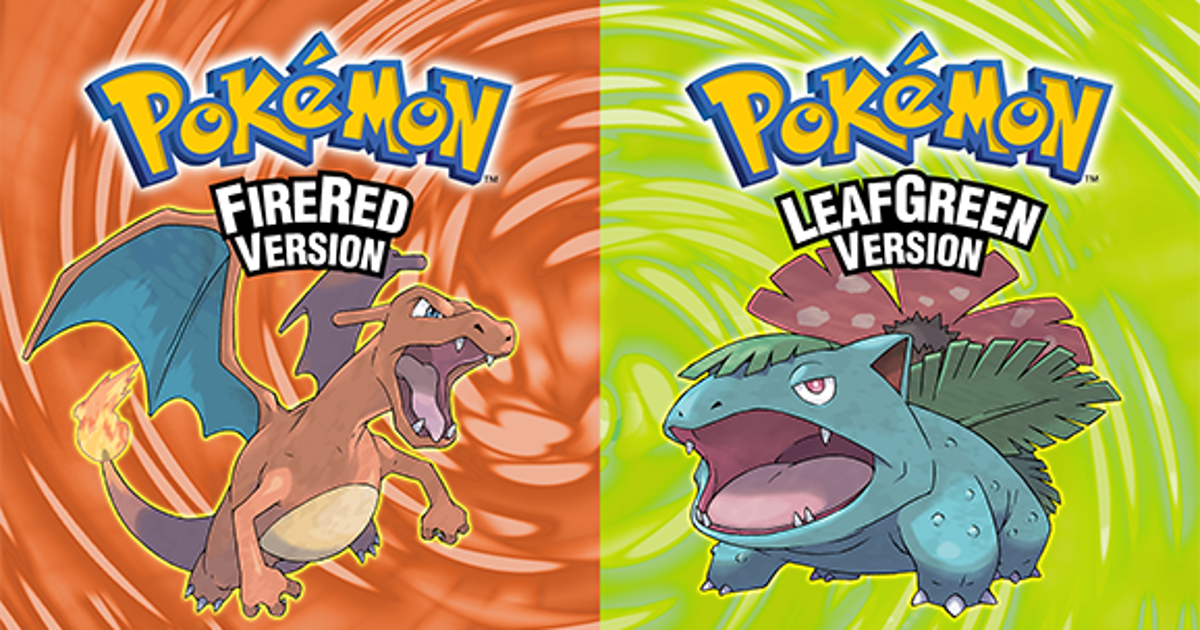
The Premium Pixel Push: Pokémon FireRed & LeafGreen's Switch Launch Signals a Major Shift in Nintendo's Retro Strategy
As the Pokémon world gears up for its annual 'Pokémon Presents' broadcast, a celebratory event marking 30 years since the original Red and Green titles launched in Japan, excitement is naturally at an all-time high. However, amidst the anticipation of new announcements and nostalgic tributes, a particular detail has emerged that could reshape how fans perceive Nintendo's strategy for its beloved retro library: the upcoming release of Pokémon FireRed and LeafGreen on Switch consoles, but with a significant catch.
Unlike many of Nintendo's classic titles, which have found a home within the Nintendo Switch Online (N-S-O) subscription service, FireRed and LeafGreen will apparently be available as standalone purchases. This decision, as reported by Eurogamer, bypasses the N-S-O platform entirely and signals a potentially profound shift in Nintendo's approach to monetizing its most iconic legacy content. For fans who've grown accustomed to a growing vault of retro games included with their online subscription, this move raises critical questions about value, accessibility, and the future of retro gaming on Switch.
The N-S-O Promise and Its Erosion
Since its inception, Nintendo Switch Online has been pitched as the gateway to the company's storied past, offering a curated selection of NES, SNES, N64, Game Boy, Game Boy Advance, and Sega Genesis titles. For a relatively modest annual fee, subscribers gain access to a library that spans generations, fostering a sense of digital preservation and collective nostalgia. The service's tiered structure, particularly the 'Expansion Pack,' promised even more premium retro experiences.
The inclusion of Game Boy Advance titles, in particular, was met with widespread enthusiasm, as it opened the door for many beloved portable classics to reach a new audience. Fans naturally assumed that if any GBA Pokémon games were to arrive, they would do so as part of this existing subscription model. The decision to make FireRed and LeafGreen separate purchases shatters this expectation, drawing a clear line in the sand between 'subscription-worthy' retro titles and those deemed premium enough for individual sale.
Why the Standalone Release? Unpacking Nintendo's Strategy
There are several compelling reasons why Nintendo might opt for a premium, standalone release for these particular titles:
- Undeniable Popularity: Pokémon FireRed and LeafGreen are not just any retro games; they are highly successful remakes of the generation that started it all, featuring refined mechanics and updated graphics. Their enduring popularity guarantees significant sales regardless of the price point.
- Perceived Value: Nintendo might believe these titles hold a higher intrinsic value than, say, a lesser-known NES game. By selling them individually, they can price them to reflect this perceived premium status, potentially at a rate comparable to modern indie titles or even slightly discounted first-party games.
- Testing the Waters: This could be a strategic move to gauge consumer willingness to pay full price for highly coveted retro games outside the N-S-O ecosystem. If successful, it could pave the way for other high-profile retro re-releases (e.g., classic Zelda, Metroid, or Mario titles) to follow suit.
- Monetization Diversification: Relying solely on subscription revenue for retro content might not align with Nintendo's broader monetization goals. Standalone purchases offer a different revenue stream, independent of subscriber churn.
Future Implications and Fan Reaction
The implications of this decision extend far beyond just FireRed and LeafGreen. If these titles, so intrinsically linked to the Pokémon anniversary and the GBA library, are deemed worthy of a premium price tag, what does this mean for other fan-favorite retro games? Could we see beloved titles like The Legend of Zelda: The Minish Cap or Metroid Fusion eventually appear as separate eShop purchases rather than N-S-O inclusions?
For many N-S-O subscribers, this move could be seen as a slight devaluation of the service. The allure of 'all access' to retro content diminishes if the most sought-after titles are consistently siphoned off for individual sale. On social media, early reactions indicate a mix of understanding (given the games' popularity) and frustration (over the expectation of N-S-O inclusion and the rising cost of retro gaming).
Ultimately, Nintendo's decision reflects a calculated business move that prioritizes the unique market value of specific intellectual properties. While it might lead to some disappointment among subscription holders, it undeniably offers a new pathway for gamers to revisit cherished classics. As the 'Pokémon Presents' broadcast approaches, all eyes will be on Nintendo to see if this premium pixel push is an isolated incident or the beginning of a broader, more strategic shift in how they deliver nostalgia to their dedicated fanbase.