Rory McIlroy's Unconventional Edge: Mastering the Storm at the Genesis Invitational
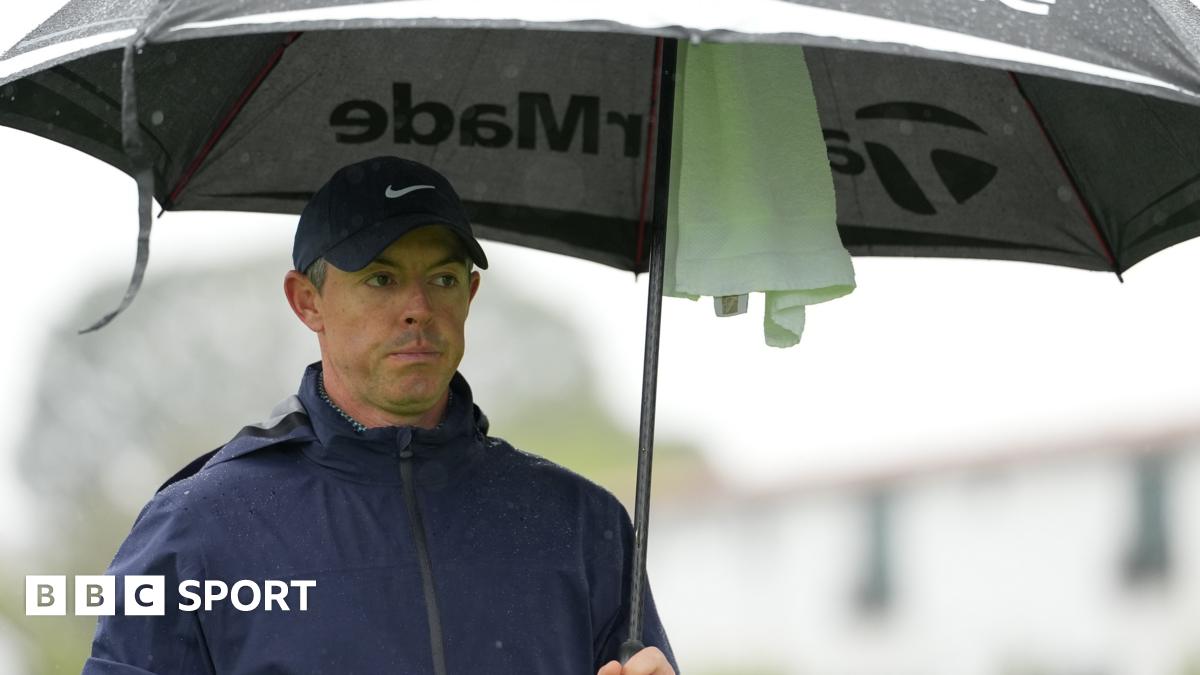
As the world's elite golfers converged on Riviera Country Club for the Genesis Invitational, Mother Nature decided to add an extra layer of challenge. Stormy conditions, characterized by heavy rain and blustery winds, greeted players on the opening day. Yet, amidst the chaos, one name emerged not just atop the leaderboard, but also with a surprisingly candid preference for the inclement weather: Rory McIlroy.
The Northern Irishman, currently ranked world number two, seized the joint clubhouse lead at five under par, a testament to both his skill and his unusual comfort in conditions that typically send shivers down the spines of even the most seasoned professionals. McIlroy's declaration that he 'prefers playing in rain to wind' offers a fascinating glimpse into the mental and strategic approach of one of golf's modern titans.
The Psychology of Weather: Rain vs. Wind
For most golfers, neither rain nor wind is a welcome sight. Rain complicates ball striking, dampens grips, and requires constant adjustment to club selection. Wind, however, is often considered the more insidious foe, capable of turning well-struck shots into wayward disasters and transforming familiar holes into unpredictable nightmares. It's a variable that can fluctuate dramatically, making consistency nearly impossible.
McIlroy's preference for rain speaks volumes about his game. Rain, while annoying, often creates a more consistent 'heavy' air that can reduce spin and distance, making the course play longer but arguably more predictable than swirling gusts. Furthermore, it might diminish the impact of finely tuned aerodynamic nuances, leveling the playing field in a way that benefits a player who trusts his fundamental ball-striking.
A Strategic Advantage?
This isn't just a personal quirk; it could be a significant strategic advantage. In a sport where mental fortitude is as crucial as physical prowess, a player who actively embraces challenging conditions holds an edge over those who merely tolerate them. McIlroy's comfort likely translates to fewer mental errors, better decision-making, and a more positive outlook when others are visibly struggling.
His performance at Riviera, a course renowned for its tricky greens and demanding layout, under such circumstances further solidifies his status as a formidable competitor. To not only contend but lead in these conditions suggests a level of control and adaptability that few can match. This mastery of the elements, or at least a specific element, could be a key factor in his pursuit of major championships and the FedEx Cup title in the coming season.
Future Implications for McIlroy and the PGA Tour
As climate patterns become increasingly unpredictable, with more frequent and intense weather events, a golfer like McIlroy, who thrives in adverse conditions, might find himself with an unexpected long-term advantage. Tournaments are increasingly subject to delays and challenging play, and those who can consistently perform when the skies open up will undoubtedly rise to the top.
This early lead at the Genesis Invitational not only sets a strong precedent for McIlroy's year but also sends a clear message to his competitors: he's not just playing the course; he's playing the weather, and he's doing it better than most. As the tournament progresses, and with more inclement weather potentially on the horizon, all eyes will be on McIlroy to see if his 'stormy brilliance' can translate into another significant victory.