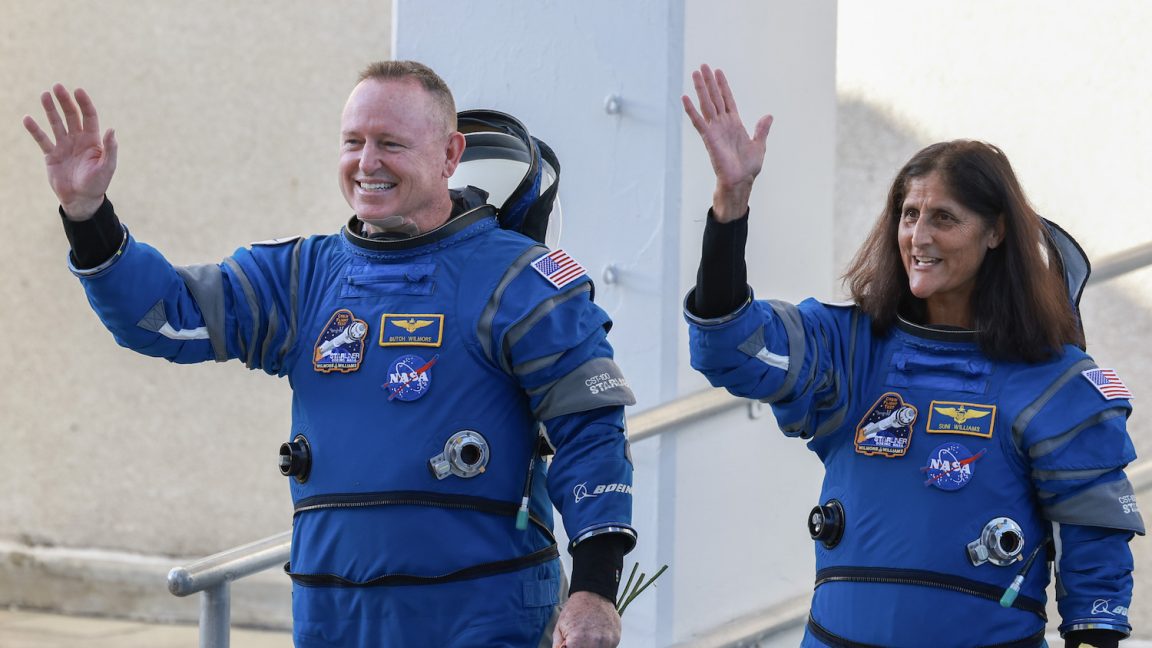
Starliner's Silent Saboteur: NASA Reveals Systemic Flaws, Not Hardware, Behind Mission Setbacks
The recent classification of Boeing's Starliner flight as a "Type A" mishap by the NASA chief has sent ripples through the aerospace community, not merely for the severity of the designation, but for the profound truth revealed within the investigation: "The most troubling failure revealed by this investigation is not hardware." This statement from NASA's leadership at a recent press briefing signals a deeper, more systemic problem at play, shifting the focus from individual component failures to fundamental issues within the processes, oversight, and perhaps even the culture surrounding critical space missions.
Understanding a "Type A" Mishap
In the lexicon of space agencies, a "Type A" mishap represents the gravest category of incident. It signifies a failure resulting in significant financial loss (over $2 million), serious injury or fatality, or the total loss of a space vehicle. For Starliner, which has yet to successfully complete a crewed flight to the International Space Station, this classification underscores not just a series of technical issues but a cascading effect of problems that collectively pose an unacceptable risk. It's a sobering assessment, implying that the issues encountered were far from minor glitches and could have had catastrophic consequences.
The Alarming Truth: Beyond the Bolts and Wires
The revelation that hardware is not the "most troubling failure" forces an introspection into the human and organizational elements of complex engineering projects. This suggests failures in areas such as:
- Software Integrity and Testing: Persistent software glitches have plagued Starliner, from incorrect mission timing to valve issues. These are often symptoms of inadequate testing protocols, insufficient code reviews, or a disconnect between development and operational teams.
- Oversight and Quality Assurance: NASA, as a partner, provides oversight to commercial providers like Boeing. A "Type A" mishap points to potential gaps in this oversight, indicating that critical issues might not have been identified or addressed effectively during design, manufacturing, or pre-flight testing phases.
- Communication and Transparency: Miscommunications between NASA, Boeing, and various subcontractors can lead to critical information being missed or misinterpreted. A culture that hinders open reporting of issues can allow problems to fester until they become critical.
- Process Adherence and Enforcement: Are established engineering processes, safety protocols, and change management procedures being rigorously followed? The "not hardware" finding often points to breakdowns in these fundamental operational frameworks.
- Cultural Factors: In highly competitive and high-stakes environments, there can be pressure to meet deadlines, which can sometimes inadvertently lead to corners being cut or warnings being downplayed. Fostering a strong safety culture where every concern is heard and addressed is paramount.
Contextualizing Starliner's Troubles
Boeing's Commercial Crew program has been under intense scrutiny, particularly when contrasted with the relative successes of SpaceX's Crew Dragon. While both companies faced initial hurdles, Starliner's journey has been marked by a series of high-profile setbacks, including an uncrewed test flight in 2019 that failed to reach the ISS, and subsequent valve issues that delayed further attempts. These repeated problems, now culminating in a "Type A" mishap classification, demand a more profound look than merely replacing a faulty component.
Implications for NASA's Commercial Crew Program and Beyond
The ramifications of this revelation are significant. For NASA, it raises questions about the efficacy of its commercial partnership model and the level of scrutiny applied to its contractors. While commercial partnerships are essential for fostering innovation and reducing costs, ensuring astronaut safety remains the absolute priority. For Boeing, a company historically synonymous with aerospace excellence, these findings are a significant blow to its reputation and underscore the need for a comprehensive internal re-evaluation of its space division's practices.
More broadly, this incident serves as a critical lesson for the burgeoning commercial space industry. As more private entities venture into human spaceflight, the emphasis on rigorous safety protocols, transparent reporting, and robust oversight cannot be overstated. The "not hardware" declaration is a stark reminder that even with the most advanced technology, human processes and organizational structures are the ultimate arbiters of success and safety.
The Path Forward
Addressing the "most troubling failure" will require more than just technical fixes. It demands a root-and-branch analysis of processes, a strengthening of oversight mechanisms, a re-evaluation of communication protocols, and potentially a cultural shift within the organizations involved. NASA and Boeing must demonstrate unwavering commitment to rectifying these systemic issues, not just to salvage the Starliner program, but to ensure the continued safety and success of human space exploration for decades to come. The stakes are too high for anything less.