By The NovaPress Editorial Board
Unanimous Approval Under a Legal Shadow: Deconstructing the White House Ballroom Controversy

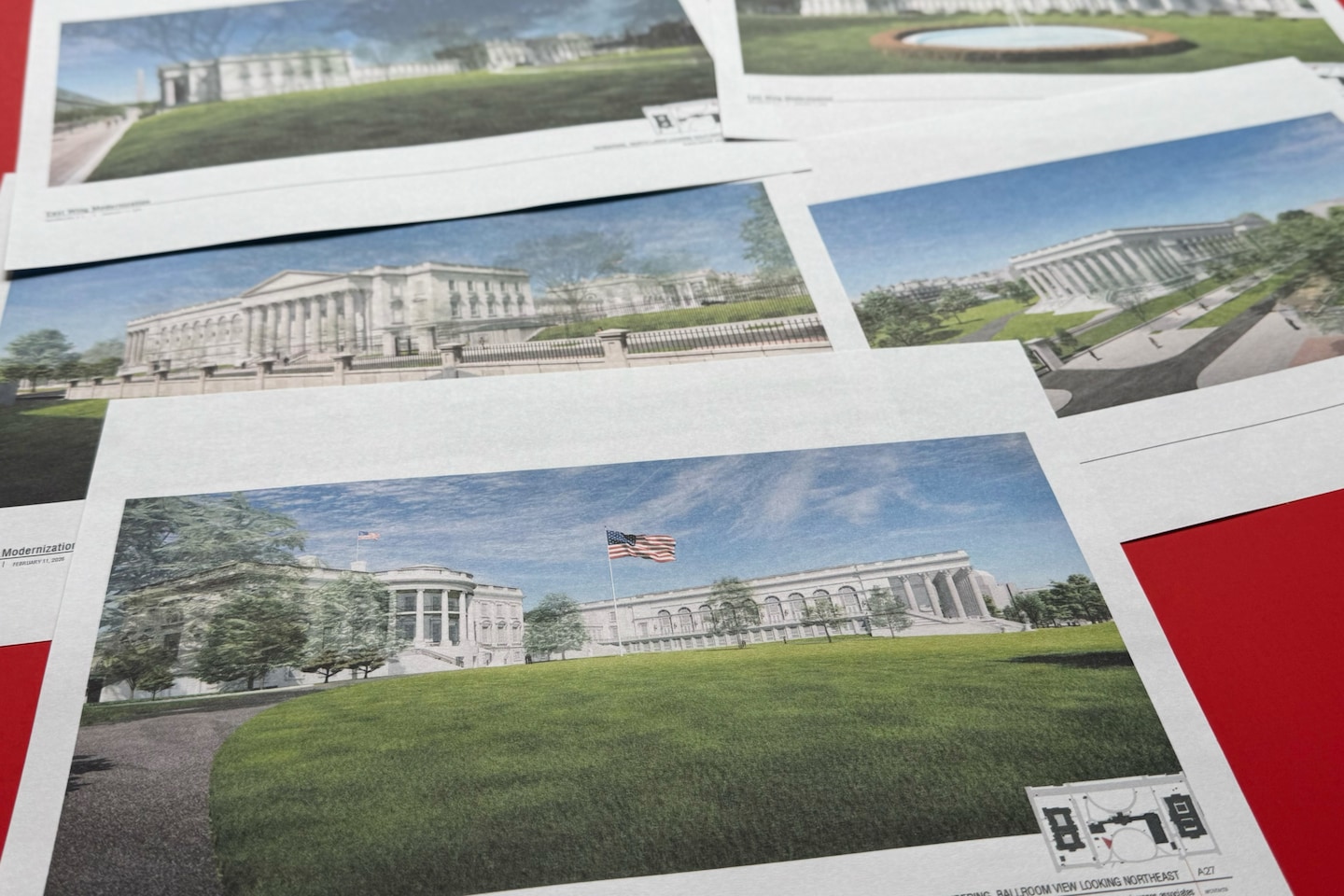
In a move that underscores the complex interplay between executive ambition, political appointments, and judicial oversight, the Commission of Fine Arts has given its unanimous blessing to President Donald Trump's planned White House ballroom. This approval, however, arrives under a looming cloud: a federal judge is currently deliberating whether to halt the nearly 90,000-square-foot project, while outside architects and critics voice growing concerns.
The Commission's Unanimous Nod: A Closer Look
The Commission of Fine Arts, an independent federal agency tasked with advising on national aesthetic matters and safeguarding the artistic development of Washington D.C., plays a critical role in projects impacting the nation's capital. Its unanimous vote on Thursday to approve the White House ballroom design is particularly striking given the surrounding controversy. Sources indicate the commission is "packed with Trump allies," raising questions about the objectivity and independence of its decision-making processes. A unanimous vote, in this context, can be seen less as a testament to the design's universal appeal and more as a reflection of the commission's composition and its alignment with the administration's vision.
The Elephant in the Room: Judicial Scrutiny
Adding a layer of profound uncertainty to the project is the ongoing deliberation by a federal judge. While the specific grounds for the potential injunction remain under wraps, such judicial interventions in federal projects typically stem from challenges related to environmental impact assessments, historical preservation laws, or procedural irregularities. The fact that a judge is weighing whether to "halt the project" suggests significant legal arguments have been mounted against it, potentially by watchdog groups, architectural conservationists, or concerned citizens. This creates a fascinating — and potentially unprecedented — standoff where the executive's architectural ambitions, blessed by an oversight body, could still be thwarted by the judiciary.
External Critiques: Beyond the Commission's Gaze
The project has not been without its detractors from outside the official channels. "Outside architects and critics" have reportedly expressed reservations. These concerns often revolve around the necessity of such a substantial addition, its potential impact on the historic character of the White House and its grounds, cost implications for taxpayers, and the architectural merit of the design itself. Large-scale additions to historic landmarks are always fraught with tension between modern functionality and historical integrity, and the proposed 90,000-square-foot ballroom is no exception. Critics may argue about the transparency of the design process, the public consultation, and whether the project truly serves the long-term public interest or primarily a specific administration's legacy.
Future Implications: Precedent and Power
The outcome of this saga will undoubtedly set a significant precedent. If the judge halts the project, it would underscore the judiciary's power to check executive actions, even those that have cleared a key regulatory hurdle. Conversely, if the project proceeds despite legal challenges and public outcry, it could embolden future administrations in pursuing ambitious, potentially controversial, federal building initiatives with less fear of independent oversight. This situation highlights the delicate balance of power inherent in the American system, where even artistic and architectural decisions can become battlegrounds for broader constitutional principles. The tension between politically appointed oversight bodies and the impartial scrutiny of the courts will define the legacy of this particular White House endeavor.
Conclusion: Awaiting the Verdict
As the federal judge deliberates, the fate of the White House ballroom project hangs in the balance. The unanimous approval by the Commission of Fine Arts, while providing official sanction, has done little to quell the underlying political and legal storms. "NovaPress" will continue to monitor this evolving story, exploring the deeper implications for governance, historic preservation, and the future of presidential projects.