The Silent Contaminant: SpaceX Rockets Are Peppering Our Skies With Metal Pollution
The dazzling spectacle of a rocket reentering Earth's atmosphere has long captivated observers, a fiery testament to human ingenuity reaching for the stars. Yet, a groundbreaking study, recently highlighted by Gizmodo, unveils a far less glamorous truth: these reentries, particularly from the likes of SpaceX, are actively seeding our upper atmosphere with unprecedented levels of metallic pollution. This isn't just a hypothetical concern; for the first time, scientists have directly detected and confirmed the presence of artificial metallic aerosols from reentering space debris, marking a critical turning point in our understanding of space's environmental impact.
A Fiery Display, A Sobering Discovery
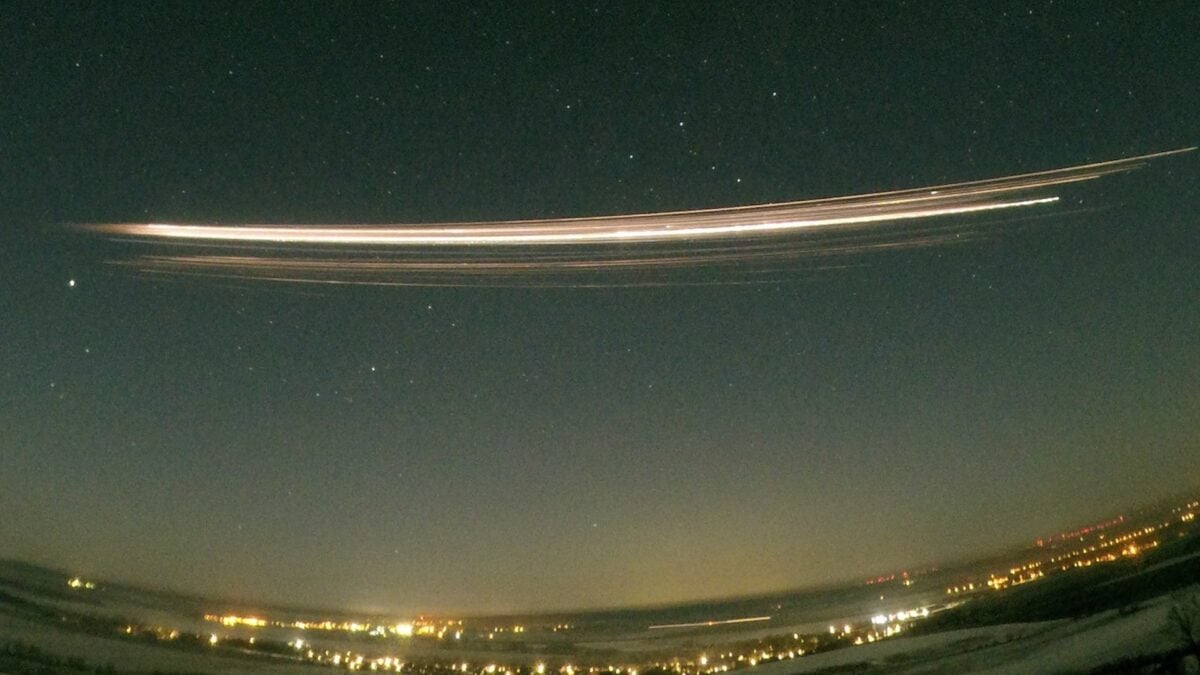
The catalyst for this revelation was a dramatic event on February 19, 2025. A Falcon 9 rocket, after its mission, underwent an uncontrolled reentry, creating a magnificent fireball that streaked across the European skies. Unbeknownst to the general public, this fiery descent passed precariously close to an advanced lidar station – a crucial piece of scientific infrastructure designed to study atmospheric composition.
What the lidar detected was profound: a distinct signature of metallic particles in the upper atmosphere. Unlike the natural ablation of meteoroids, which has been occurring for billions of years and primarily introduces common elements, this signal bore the chemical fingerprint of engineered materials. It was a direct link, indisputable evidence, that components of a human-made rocket were not merely burning up, but fragmenting and dispersing fine metallic dust into layers of our atmosphere that are vital for Earth's delicate climate systems. This discovery fundamentally shifts the narrative from space debris being merely a collision risk to an active atmospheric contaminant.
The Silent Contaminant: What's Falling Back to Earth?
Modern rockets are engineering marvels, constructed from a sophisticated array of materials designed to withstand extreme forces and temperatures. Aluminum alloys form much of the structure, while titanium, nickel, and various exotic composites are employed in engines, fuel tanks, and heat shields. When a rocket body, particularly an uncontrolled one, reenters the atmosphere, it undergoes extreme heating due to friction. Instead of complete incineration, much of this material ablates—sheds layers in the form of vapor and fine particles—at altitudes far above where typical air pollution settles.
These metallic vapors then condense into microscopic aerosols and nanoparticles. Unlike the natural influx of extraterrestrial dust, which is largely silicon-based and relatively inert, artificial debris introduces elements like aluminum, titanium, and potentially even more exotic compounds. The sheer volume and distinct chemical makeup of these artificial pollutants raise serious questions about their long-term effects on atmospheric chemistry.
Unpacking the Environmental Implications
The full scope of the environmental implications of this metallic pollution is still being understood, but preliminary concerns are significant:
- Atmospheric Chemistry: These metallic particles can act as catalysts for chemical reactions, potentially accelerating the destruction of ozone in the stratosphere or altering other crucial atmospheric cycles.
- Cloud Formation: Metallic aerosols can serve as condensation nuclei, influencing the formation of clouds, including high-altitude noctilucent clouds. Changes in cloud properties can impact Earth's albedo (reflectivity) and, consequently, its climate.
- Unknown Long-Term Effects: The introduction of novel elements and compounds into sensitive atmospheric layers at an increasing rate presents a complex challenge. We simply do not yet know the full ecological cascade that could result from chronic, large-scale metal deposition.
With the rapid proliferation of satellite constellations like Starlink, and the corresponding increase in rocket launches and reentries, the problem is only poised to escalate. What might seem like an isolated incident today could become a chronic, global environmental issue within years.
The Regulatory Vacuum and the Path Forward
Current international space regulations primarily focus on mitigating the risk of orbital collisions, ensuring safe operations, and preventing the creation of new debris that could threaten active satellites. However, there is a glaring absence of regulations or even widely accepted guidelines concerning the atmospheric pollution generated by reentering space hardware.
This detection by the lidar station must serve as an urgent wake-up call for the global space community, policymakers, and environmental agencies. Moving forward, several critical steps are imperative:
- Enhanced Monitoring: Investment in more extensive and sophisticated atmospheric monitoring systems to track and characterize pollutants from reentries.
- Design for Demise: Spacecraft and rocket component manufacturers must prioritize designing for complete and clean atmospheric demise, minimizing hazardous residue.
- Controlled Reentries: While more complex and costly, controlled reentries that target vast, unpopulated ocean areas are essential to minimize unintended atmospheric dispersal.
- International Collaboration: Establishing new international frameworks and treaties specifically addressing atmospheric pollution from space activities.
Conclusion: Balancing Ambition with Stewardship
The space age represents humanity's boundless ambition and technological prowess. However, this ambition must be tempered with rigorous environmental stewardship. The direct detection of metallic pollution from reentering SpaceX rockets is not merely a scientific curiosity; it is a profound warning. As we reach further into the cosmos, we must ensure that our pursuit of the stars does not inadvertently compromise the very atmosphere that sustains life on our home planet. The time for proactive measures, comprehensive research, and responsible regulation is now, before the silent contaminant becomes an undeniable crisis.