Navigating the 'No Risk-Free Path': The Federal Reserve's 2025 Rate Cut and the Uncharted Waters of 2026
In a move that reverberated through global markets, the Federal Reserve concluded its final meeting of 2025 with a significant decision: a 0.25% cut in interest rates. While investors immediately shifted their focus to the economic outlook for 2026, the accompanying remarks from Fed Chair Jerome Powell offered a stark and sober assessment of the road ahead, emphasizing that there is 'no risk-free path' in the current economic climate.
The Rationale Behind the Cut: A Delicate Balancing Act
The quarter-point rate cut signals the Fed's acknowledgment of evolving economic conditions, potentially aiming to stimulate growth and ease financial pressures after a period of aggressive tightening. This adjustment comes as a response to complex data points, balancing the imperative to curb persistent inflation with the need to avoid a severe economic slowdown. The Fed's decision suggests a careful calibration, moving away from restrictive monetary policy without entirely abandoning its vigilance against price increases.
Powell's Candid Admission: The Consumer's Burden
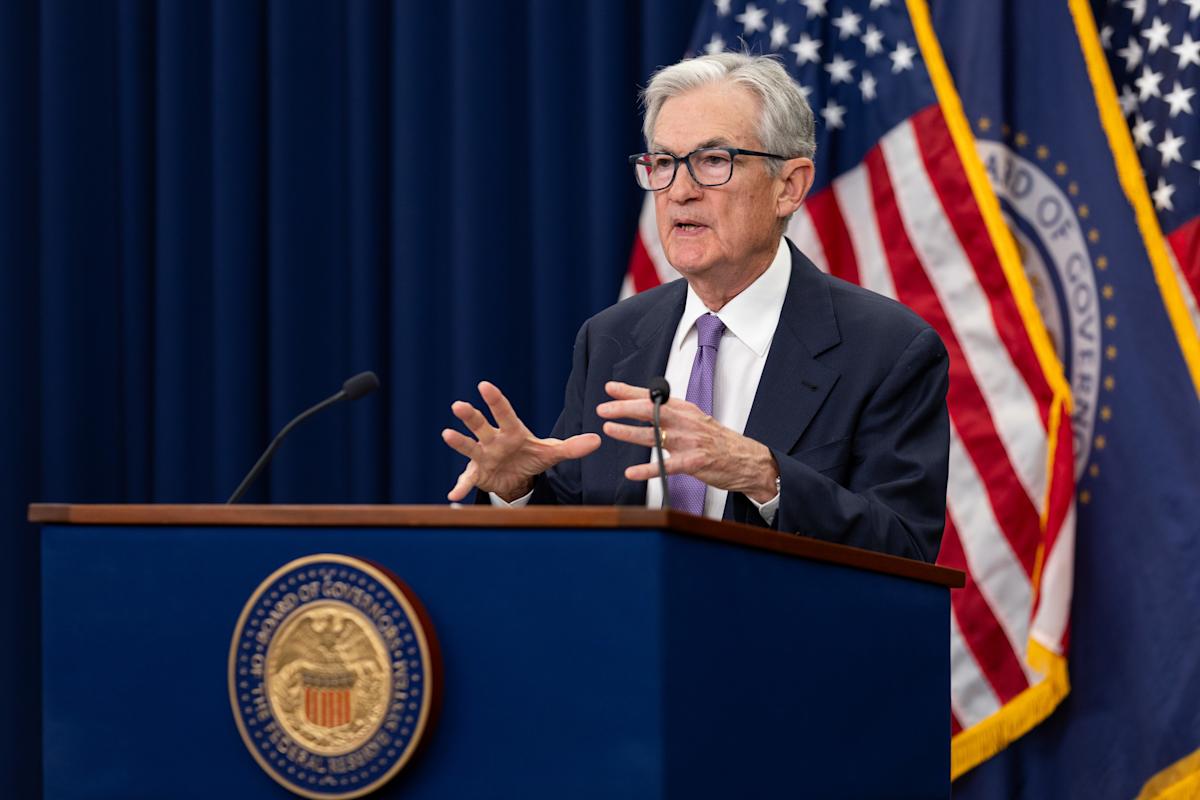
Perhaps the most poignant part of the Fed's press conference was Chair Powell's direct address to the struggles faced by everyday Americans. "We hear loud and clear" the concerns about affordability, Powell stated, acknowledging that many consumers are indeed grappling with the elevated cost of living spurred by higher inflation. This candid admission underscores the significant societal impact of economic policy and the pressure on the Fed to not only manage macro-economic indicators but also to foster an environment where households can thrive.
For months, rising prices have eroded purchasing power, making everything from groceries to housing less accessible. Powell's comments suggest that while inflation metrics might be trending downwards, the lived experience for many remains challenging. The rate cut, in this context, could be interpreted as an attempt to provide some relief, albeit indirectly, by potentially lowering borrowing costs for mortgages, auto loans, and other forms of credit in the coming year.
The 'No Risk-Free Path' Warning: Uncharted Territory Ahead
Powell's warning of a "no risk-free path" is a critical insight into the Fed's perspective on the year ahead. It reflects an understanding that even as inflation moderates and rates are adjusted, new challenges or unforeseen economic headwinds could emerge. This could include geopolitical instability, supply chain disruptions, or the delayed effects of previous monetary policies. It suggests that future policy decisions will remain data-dependent and adaptable, with no easy solutions or guaranteed outcomes.
This cautious outlook implies that 2026 could be a year of continued economic volatility and careful navigation. For businesses, this means ongoing uncertainty in investment and expansion plans. For consumers, it reinforces the need for financial prudence, as the economic landscape could shift rapidly.
Outlook for 2026: What's Next for the Economy?
With the 2025 rate cut now behind us, all eyes turn to 2026. Investors will be scrutinizing every piece of economic data – from employment figures to inflation reports – for clues on the Fed's next moves. The immediate impact of the rate cut could see a slight easing in lending rates, potentially boosting consumer spending and business investment, but the extent of this effect remains to be seen.
- Consumer Impact: Homebuyers might find mortgage rates slightly more favorable, potentially stimulating the housing market. Debt holders could see a marginal reduction in variable loan interest.
- Business Environment: Lower borrowing costs could encourage corporate investment, job creation, and expansion, provided businesses are confident in future demand.
- Inflationary Pressures: The Fed will monitor closely to ensure that this rate cut does not reignite inflationary pressures, a delicate balance in their mandate.
- Global Economy: The US Fed's actions often have ripple effects globally, influencing exchange rates and monetary policies in other nations.
The coming year will test the resilience of the global economy and the strategic foresight of central banks. Powell's message is clear: while the Fed is acting to address current challenges, the path ahead is fraught with potential obstacles that demand vigilance and adaptability.
Conclusion: A Cautious Step Forward
The Federal Reserve's 0.25% rate cut at the close of 2025 is a definitive signal of a shift in monetary policy, acknowledging both past inflationary struggles and the forward-looking need for economic stability. However, Chairman Powell's warning of a 'no risk-free path' casts a long shadow, reminding us that economic management is an ongoing, complex challenge with no simple solutions. As NovaPress looks ahead to 2026, we will continue to provide in-depth analysis on how these critical decisions shape the financial futures of individuals, businesses, and the nation as a whole.