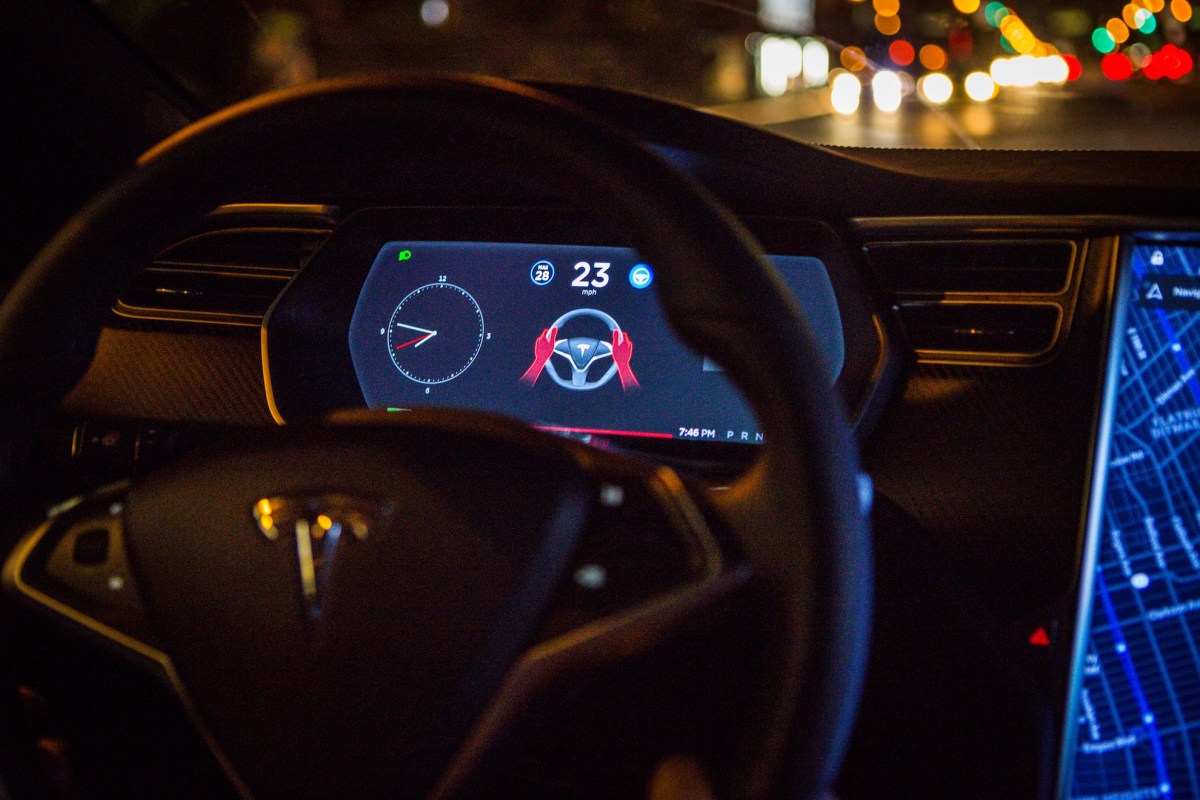
Tesla's 'Autopilot' Retreat: A Tactical Shift or a New Era for Autonomous Terminology?
By NovaPress Editorial Board | October 26, 2023
In a move that sends ripples across the burgeoning electric vehicle and autonomous technology sectors, Tesla has successfully averted a 30-day suspension of its sales and manufacturing licenses in California. The catalyst? The EV giant's decision to cease using the contentious "Autopilot" term in the marketing of its driver-assistance systems. This development, confirmed by the California Department of Motor Vehicles (DMV), marks a significant moment, highlighting the increasing scrutiny on how self-driving capabilities are branded and perceived by the public.
The Regulatory Gauntlet and Tesla's Tactical Response
For years, Tesla's "Autopilot" branding has been a lightning rod for criticism and regulatory concern. While technically a Level 2 driver-assistance system requiring active driver supervision, the term "Autopilot" frequently evoked a higher level of autonomy in the public imagination, often leading to misuse and dangerous incidents. Critics, including safety advocates and government bodies, have long argued that such terminology creates a misleading impression, potentially endangering both occupants and other road users.
The California DMV, a pivotal regulator in the heart of the tech industry, has been at the forefront of this debate. Their threat of a 30-day suspension was a potent signal, indicating a growing intolerance for marketing that blurs the lines between advanced driver-assistance systems (ADAS) and truly autonomous driving. Facing a significant disruption to its operations in a key market, Tesla chose to comply, quietly discontinuing the "Autopilot" term from its marketing materials. This wasn't merely a semantic change; it was a strategic concession aimed at mitigating immediate regulatory risk.
Beyond Branding: Shifting Perceptions and Responsibilities
Tesla's decision is more than just a regulatory dodge; it has profound implications for consumer perception and the broader automotive industry. The term "Autopilot" has been deeply embedded in Tesla's identity, becoming almost synonymous with its technological prowess. Its removal, even if primarily for marketing, forces a recalibration of how the public understands Tesla's ADAS offerings.
- Clarity vs. Ambiguity: The shift potentially pushes consumers to a more realistic understanding of what Tesla's vehicles can and cannot do autonomously. This could, in the long run, foster safer usage and reduce incidents born from misunderstanding.
- Evolving Consumer Expectations: As ADAS technology advances, managing consumer expectations becomes paramount. Over-promising or using aspirational language without clear caveats can have severe consequences, both legally and in terms of public trust.
- Industry Precedent: This move sets a de facto precedent for other manufacturers. Companies that currently use similarly evocative terms for their ADAS — features like "Highway Assist" or "Drive Pilot" — may find themselves under similar regulatory pressure to ensure their branding accurately reflects the system's capabilities and limitations.
The Future of Autonomous Terminology and Regulation
This development underscores a critical juncture for the autonomous vehicle industry. Regulatory bodies globally are grappling with the complex challenge of defining, classifying, and regulating self-driving technologies. The California DMV's stance signals a growing trend towards stricter guidelines on marketing and public communication regarding ADAS.
The implications extend to Tesla's more advanced "Full Self-Driving" (FSD) suite as well. While "Autopilot" has been removed from basic marketing, the FSD branding remains. This suggests that while regulators are keen to ensure basic ADAS are not misleadingly portrayed, the higher tiers of autonomy, even those still under active development and requiring driver supervision, may face a different, perhaps even more intense, level of scrutiny in the near future. The industry may see a push towards standardized, universally understood nomenclature, perhaps mirroring the SAE's (Society of Automotive Engineers) levels of driving automation, to prevent consumer confusion.
For Tesla, this is a moment of reflection and strategic re-evaluation. While the immediate threat has been neutralized, the underlying tension between innovative, aspirational branding and responsible, accurate communication remains. The road to full autonomy is long and fraught with challenges, and navigating the regulatory and public perception landscape will be as crucial as the technological advancements themselves. The "Autopilot" retreat might just be the first significant step in a larger industry-wide recalibration.