Beneath the Surface: Why Wall Street's Quiet Day Masks Deep Economic and AI Anxieties
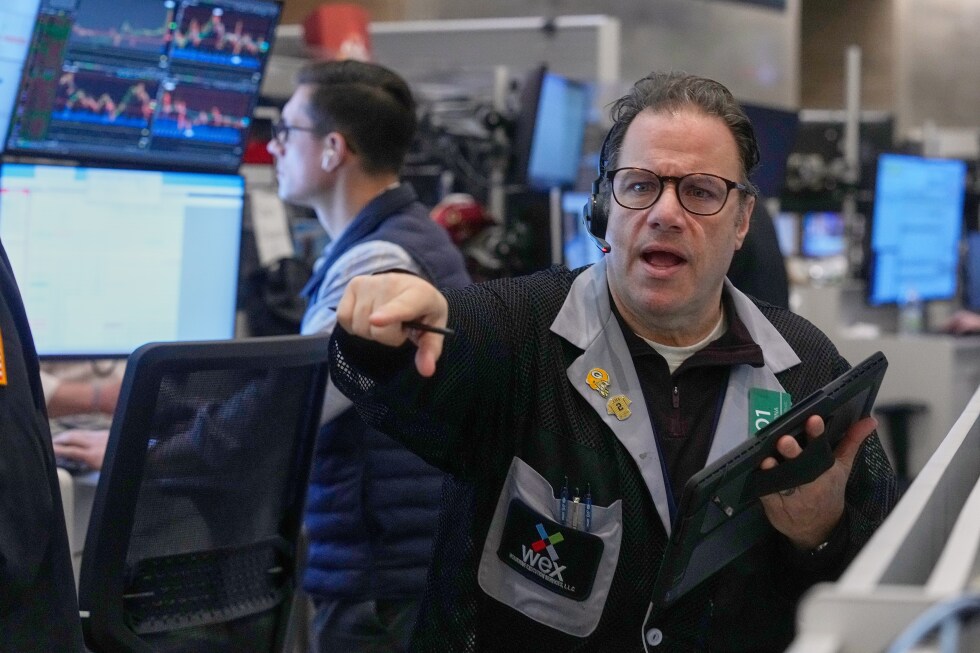
NEW YORK – A seemingly placid finish for the U.S. stock market on Tuesday belied a volatile day of trading, revealing a profound struggle between burgeoning optimism around artificial intelligence and persistent anxieties concerning the broader economy and consumer health. While major indices edged higher by a mere 0.1%, the journey to that calm close was anything but smooth, with significant intraday swings painting a clearer picture of investor apprehension.
The Illusion of Stability: Unpacking Tuesday's Volatility
On the surface, a 0.1% rise for the S&P 500, Dow Jones Industrial Average, and Nasdaq composite might suggest a day of minimal action. However, this headline figure masks a dramatic tug-of-war. The S&P 500, for instance, fluctuated wildly, swinging from a gain of 0.5% to a loss of nearly 1% before settling back into positive territory. This extreme intraday range underscores a market grappling with uncertainty, where sentiment can pivot sharply on thin margins and fleeting news cycles. Such swings are not merely statistical noise; they reflect a market where conviction is fragile, and traders are quick to react to both positive and negative catalysts.
Consumer Sentiment: The Unsettling Undercurrent
A significant factor contributing to this underlying tension is the commentary emanating from corporate earnings calls. Companies across various sectors are increasingly vocal about "how discouraged their customers are feeling." This observation is a critical bellwether for the economy. Discouraged customers often translate to reduced spending, diminished demand for goods and services, and ultimately, lower corporate revenues and profits. In an economy still contending with elevated inflation, higher interest rates, and lingering geopolitical uncertainties, a decline in consumer confidence could portend a broader economic slowdown, or even a recession. This corporate insight suggests that despite resilient employment figures, the average American consumer might be feeling the pinch more acutely than headline economic data sometimes suggests, leading to a cautious outlook from businesses.
AI's Double-Edged Sword: Hope and Hype
The technology sector, particularly companies associated with artificial intelligence, remains a central pivot point for the market. While AI continues to fuel exuberance and significant investment, there are growing "worries about AI." These concerns are multifaceted: is the current valuation of some tech stocks justifiable, or are we witnessing the early stages of a bubble? Are the widespread applications and profitability of AI truly materializing at the pace investors expect? And what about the companies that might be disrupted rather than enhanced by AI? Tuesday's trading saw some tech stocks struggling, suggesting that while the AI narrative is powerful, not all tech players are benefiting equally, and the market is becoming more discerning. Investors are attempting to differentiate between genuine long-term beneficiaries and those simply caught in the general hype.
The Tug-of-War: Fear vs. FOMO
The market's daily gyrations exemplify a constant battle between fear of economic downturn and the fear of missing out (FOMO) on the next big tech rally. On one hand, persistent inflation, the potential for further interest rate hikes, and signs of softening consumer demand fuel bearish sentiment. On the other, the transformative potential of AI, strong balance sheets of some mega-cap tech firms, and a generally resilient labor market provide reasons for optimism. This dynamic creates a highly reactive trading environment, where minor news events can trigger outsized responses as investors attempt to position themselves for drastically different economic outcomes. It's a market that rewards agility but punishes overconfidence, making long-term strategic planning more challenging.
Looking Ahead: Navigating the Crossroads
For investors, navigating this complex landscape requires more than just glancing at daily closes. It demands a deep understanding of the underlying currents – the very real concerns about consumer health, the judicious assessment of AI's long-term impact versus its immediate speculative appeal, and the broader macroeconomic trajectory. As earnings season progresses, pay close attention to forward guidance from companies, especially regarding customer spending patterns and investment in new technologies. The quiet finishes may continue, but they are unlikely to signal genuine calm until the fundamental tensions beneath the surface are resolved, or at least become clearer. Vigilance, discernment, and a long-term perspective will be paramount in the months to come.