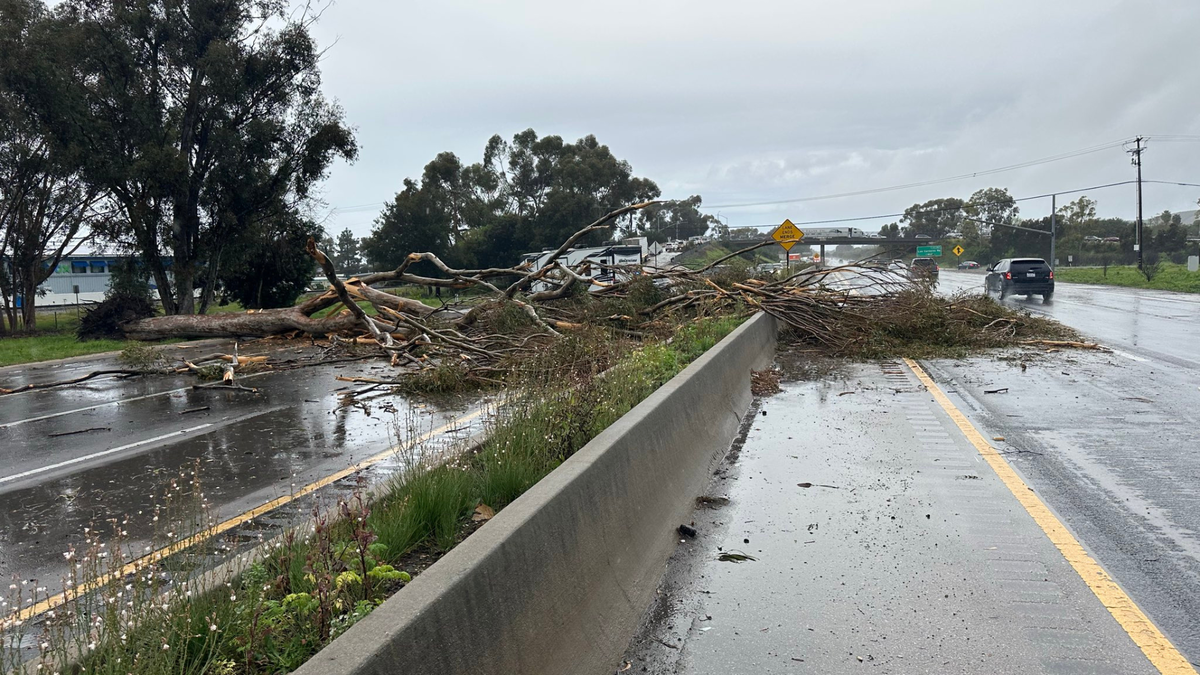
The Fallen Giant: Highway 101 Closure Highlights California's Infrastructure Vulnerabilities and Ecological Debates
Monday's sudden closure of southbound Highway 101 near Fairview Avenue in Santa Barbara County, caused by a massive eucalyptus tree, was more than just a traffic inconvenience. It was a stark reminder of the delicate balance between urban development, natural landscapes, and critical infrastructure, prompting deeper questions about safety, urban forestry, and the resilience of California's vital arteries.
The Lifeline Interrupted: Context of the Incident
Highway 101 serves as the crucial artery for coastal California, a pivotal corridor for daily commuters, extensive commerce, and bustling tourism. Its disruption, even for a day, sends noticeable ripples through the local economy and profoundly impacts daily lives. The specific culprit in this incident – a large eucalyptus tree – introduces a familiar character in California's narrative of natural hazards. These non-native species, often favored for their rapid growth and ample shade, are notoriously characterized by their shallow root systems and brittle branches. This makes them particularly susceptible to falling during periods of high winds or saturated soil – a common and increasingly unpredictable scenario within California's dynamic climate cycles.
Immediate Impact and Underlying Concerns
Economic Ripple Effects
The initial report from News Channel 3-12 highlighted "multiple lanes... closed" and "blocking all southbound traffic," vividly underscoring the immediate chaos and frustration. Commuters faced significant delays, local businesses likely experienced reduced foot traffic, and crucial logistics routes were undeniably disrupted. The true economic cost of such an event, though challenging to quantify precisely, encompasses lost productivity, wasted fuel, and the considerable allocation of emergency response resources.
Safety Implications
Beyond the tangible economic toll, the incident raises profound safety concerns. A falling tree, particularly one of the substantial size suggested by the scale of the disruption, poses an extreme hazard to vehicles and their occupants. The timing of the fall, fortunately, appears to have averted a potentially catastrophic direct impact on passing traffic. However, it serves as a chilling and potent reminder of the constant, often unseen, threats that linger on our roadways.
Emergency Response Effectiveness
The prompt and efficient response to clear the obstruction is a testament to the dedication and professionalism of local emergency services and Caltrans. Yet, it also inherently highlights the often reactive nature of managing such unforeseen events, emphasizing the need for preventative measures.
Looking Ahead: Towards Greater Resilience
Proactive Urban Forestry Management
This incident forcefully reignites the ongoing debate about the responsible management of urban and roadside trees, especially concerning non-native species like eucalyptus. The fundamental question arises: should a more aggressive, proactive approach be adopted to identify and meticulously remove potentially hazardous trees situated along critical transportation corridors? What are the ecological, aesthetic, and financial trade-offs inherent in such decisions? Local municipalities and state agencies grapple with the complex task of balancing environmental stewardship with paramount public safety and the integrity of vital infrastructure.
Bolstering Infrastructure Resilience
The vulnerability of Highway 101 to a single fallen tree profoundly underscores the pressing need for greater resilience in our infrastructure planning. While completely "tree-proofing" every stretch of highway is an impractical aspiration, strategic investments in advanced monitoring, comprehensive risk assessment, and rapid response systems can significantly mitigate future disruptions. This imperative extends beyond just trees, encompassing threats such as landslides, rockfalls, and other natural hazards that are increasingly exacerbated by volatile, changing climate patterns.
Community Preparedness and Communication
Such events serve as crucial reminders for communities to develop and maintain robust emergency communication plans, ensuring that alternative route information is readily available and widely disseminated to the public. Preparedness is key to minimizing chaos and ensuring safety.
Conclusion: A Call for Vigilance and Collaborative Action
The swift reopening of Highway 101's southbound lanes brought immediate and welcome relief to Santa Barbara County residents and commuters. However, the fallen eucalyptus tree left behind more than just debris; it left a vital and indelible lesson. It urges all stakeholders – government agencies, dedicated environmental groups, and the engaged public – to collaboratively re-evaluate how we harmoniously coexist with our natural environment, responsibly manage our urban forests, and diligently fortify our essential infrastructure against both predictable and unpredictable challenges. Only through proactive management, strategic planning, and sustained collective effort can we truly ensure that California's critical arteries remain safe, open, and resilient for the uninterrupted flow of life and commerce.