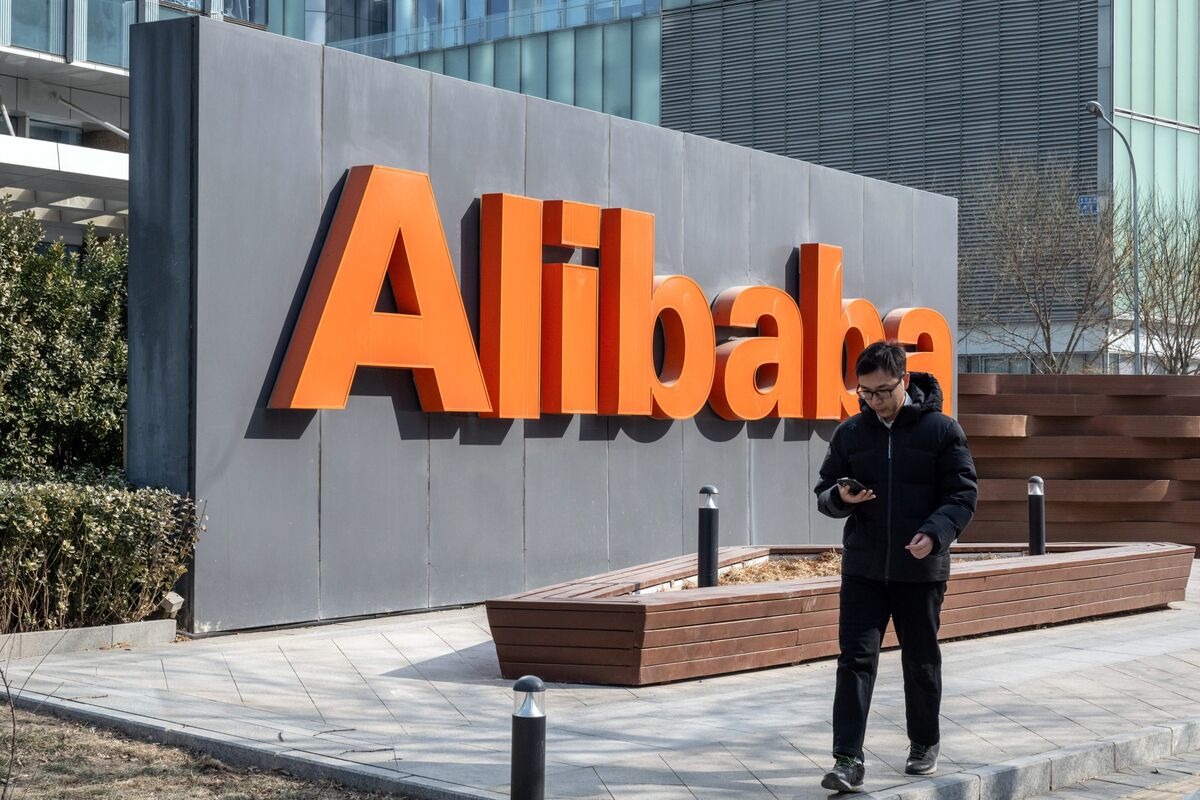
Flashpoint Alibaba: The Pentagon's Phantom Blacklist and the Unsettling Aftershocks
In a move that sent immediate shockwaves through global markets, the U.S. Pentagon briefly, and without explanation, added Alibaba Group Holding Ltd. and several other prominent Chinese tech firms to a blacklist of companies allegedly aiding the Chinese military. The economic repercussions were swift, with Chinese tech shares experiencing a significant selloff. Yet, as quickly as the list appeared, it vanished, leaving investors, analysts, and policymakers scrambling for answers about the true intent and implications of such a dramatic, yet fleeting, declaration.
The Brief Listing, The Swift Retreat
The incident unfolded with perplexing speed. Reports surfaced that the Pentagon had published an updated list of companies deemed to have ties to the Chinese military, a designation that carries significant implications for U.S. investment and trade. Alibaba, a global e-commerce and technology titan, was a surprising and high-profile inclusion. Almost immediately, market reactions followed, leading to a sharp downturn in the valuations of the listed companies. However, within minutes of its public appearance, the entire roster was withdrawn from official channels, leaving an informational void and a trail of questions. The Pentagon offered no immediate clarification for either the initial listing or its subsequent retraction, only deepening the mystery.
The Geopolitical Chessboard
This event did not occur in a vacuum. It is set against a backdrop of escalating technological and economic competition between the United States and China. For years, U.S. administrations have expressed concerns over Chinese companies' potential links to the People's Liberation Army, citing national security risks. Previous actions, such as the blacklisting of Huawei and restrictions on certain investments, underscore a broader strategy to contain China's technological ascent and military modernization. The inclusion of Alibaba, a company largely perceived as consumer-focused, raises new questions about the scope and criteria of such blacklists, suggesting a potential expansion beyond traditional defense or telecommunications firms.
Market Meltdown and Investor Anxiety
Even a momentary scare can have lasting effects. The brief appearance of the blacklist was enough to trigger a substantial selloff in Chinese tech shares, with Alibaba leading the decline. This volatility highlights the extreme sensitivity of global markets to geopolitical tensions and policy uncertainties. Investors, already wary of regulatory crackdowns within China and tightening scrutiny from the U.S., were reminded of the ever-present 'Sword of Damocles' hanging over cross-border investments. The incident served as a potent warning that seemingly minor bureaucratic actions can wipe billions off market caps in an instant, emphasizing the fragility of investor confidence in an increasingly interconnected and politically charged economic landscape.
The Unanswered Questions
The most pressing question remains: why was the list withdrawn? Several theories abound, none confirmed. Was it a genuine administrative error, a miscommunication within the Pentagon, or a premature release of unverified information? Could it have been a calculated 'test balloon' to gauge market and diplomatic reactions? Or perhaps internal disagreements within the U.S. government led to its swift retraction? Without an official explanation, the lack of transparency fuels speculation and underscores the unpredictable nature of U.S.-China relations. The ambiguity itself becomes a source of instability, making it difficult for businesses and investors to plan effectively.
Lingering Shadows and Future Implications
While the list was retracted, the memory of its brief existence will likely linger. The incident serves as a stark reminder that even companies not directly involved in defense can become collateral damage in the broader geopolitical contest. For Alibaba and other major Chinese tech firms, the threat of future blacklisting remains a palpable concern, potentially impacting their access to U.S. capital markets, technology, and partnerships. This unpredictability could force companies to re-evaluate their global strategies, supply chains, and investor relations. Furthermore, it reinforces the perception that U.S. foreign policy could increasingly leverage economic tools to exert pressure, even at the risk of global market disruption. The phantom blacklist has left an indelible mark, signaling that the rules of engagement in the tech rivalry are still being written, often in real-time and with little warning.
The 'Alibaba Debacle' is more than just a momentary blip; it's a telling symptom of a deeply fractured geopolitical landscape where economic power and national security are inextricably linked. Until clearer lines are drawn and communication improved, global markets will continue to navigate a treacherous path defined by sudden, unexplained shifts in policy and the constant threat of a looming tech war.