Minnesota's Shifting Sands: Unpacking the Trump Administration's Immigration Enforcement Drawdown
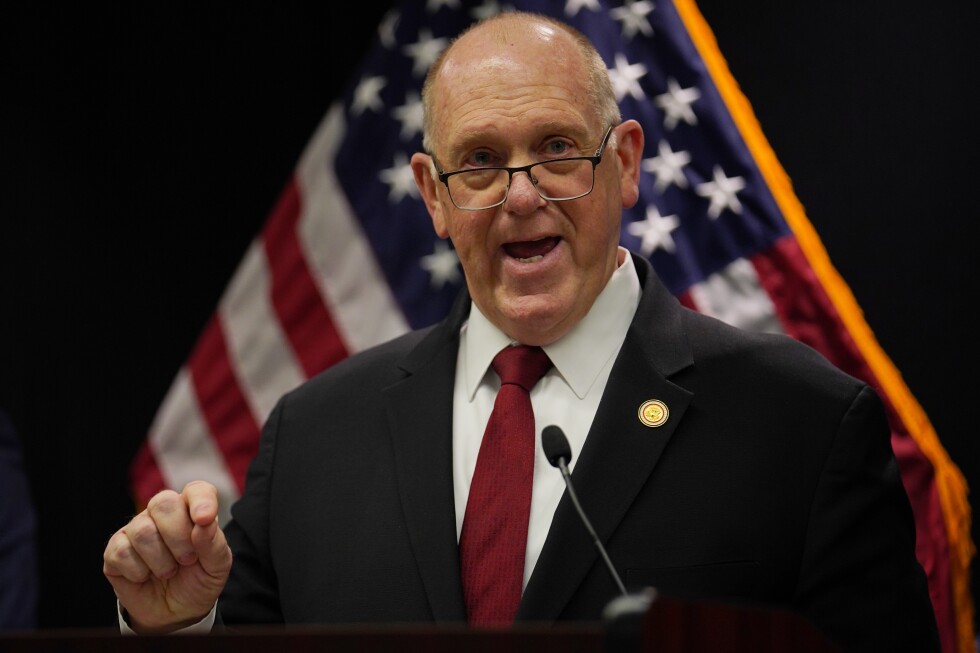
White House border czar Tom Homan confirms the withdrawal of over a thousand immigration agents from Minnesota's Twin Cities, signaling a complex shift in federal enforcement strategy. NovaPress delves into the implications for local communities, national policy, and the ongoing debate over immigration.
WASHINGTON D.C. – The landscape of immigration enforcement in the United States continues its dynamic evolution, with the latest significant development unfolding in Minnesota's Twin Cities. White House border czar Tom Homan announced Sunday that more than 1,000 immigration agents have already departed the region, with hundreds more slated to withdraw in the coming days. This move marks a notable drawdown from the Trump administration's earlier surge in immigration enforcement, leaving behind only a "small" security force.
The Genesis of the Surge: A Policy Under Scrutiny
To fully grasp the magnitude of this current withdrawal, it's essential to contextualize the initial deployment. The Trump administration had previously escalated its immigration enforcement activities across various 'interior' locations, including the Twin Cities, as part of a broader strategy to deter illegal immigration and enforce federal laws more aggressively. These surges often involved increased raids, detentions, and deportations, sparking fierce debate and protests from immigrant advocacy groups, local politicians, and community leaders who argued against what they perceived as an overreach and a humanitarian crisis.
The stated goal of such operations was to enhance border security indirectly by disrupting undocumented populations within the country, aiming to send a clear message about the administration's tough stance on immigration. However, critics frequently pointed to the social and economic disruption caused by these actions, particularly in communities with large immigrant populations, raising questions about efficacy and ethical considerations.
Minnesota's Moment: A Tactical Retreat or Strategic Reassessment?
The announcement by Tom Homan confirms a significant reduction in federal presence. Over a thousand agents have already packed up, and more are on their way out. This drastic decrease leaves many wondering about the administration's rationale. Is this a tactical redeployment of resources to other perceived hotspots? Is it a response to political pressure or logistical challenges? Or could it represent a nuanced shift in enforcement priorities?
Homan's assurance that a "small" security force will remain suggests that federal enforcement will not cease entirely, but its intensity will be significantly diminished. This adjustment could provide a temporary reprieve for immigrant communities in Minnesota, who have been living under heightened anxiety and surveillance. However, the psychological impact of such surges often lingers, and trust between these communities and law enforcement can take years to rebuild.
Local Ripples, National Waves: Implications for Policy and Politics
The immediate effects of this drawdown will be felt most acutely in Minnesota. Local advocacy groups will likely view this as a partial victory, even if temporary, against what they consider aggressive federal tactics. For state and local governments, particularly those in 'sanctuary' jurisdictions or those with complex relationships with federal immigration agencies, this shift might ease some tensions. However, it also underscores the unpredictable nature of federal policy, making long-term planning challenging.
On a national level, this development prompts broader questions about the future of immigration enforcement. Is the administration recalibrating its approach as a presidential election looms? Is it reallocating resources to border regions where political pressure remains intense? Or is it an acknowledgment that the interior enforcement surges, while robust, were not sustainable or yielding the desired outcomes?
The role of White House "border czars" like Tom Homan in shaping and communicating these evolving strategies also highlights the centralization of immigration policy decisions within the executive branch. This bypasses, to a large extent, legislative deliberation, leading to rapid and sometimes abrupt changes in enforcement posture.
Looking Ahead: An Enduring Debate
While the immediate reduction of agents in Minnesota may offer some relief, it does not resolve the underlying national debate about immigration. The tension between robust enforcement, humanitarian concerns, economic needs, and social integration remains a defining feature of American politics. The Twin Cities drawdown is but one chapter in a much larger, ongoing narrative.
As the administration continues to navigate its complex immigration agenda, communities across the nation will be watching closely for further shifts. The Minnesota experience serves as a microcosm of the larger challenges and choices confronting the United States in its quest to balance security with compassion, and enforcement with integration. NovaPress will continue to monitor these critical developments, offering deep analysis as the story unfolds.