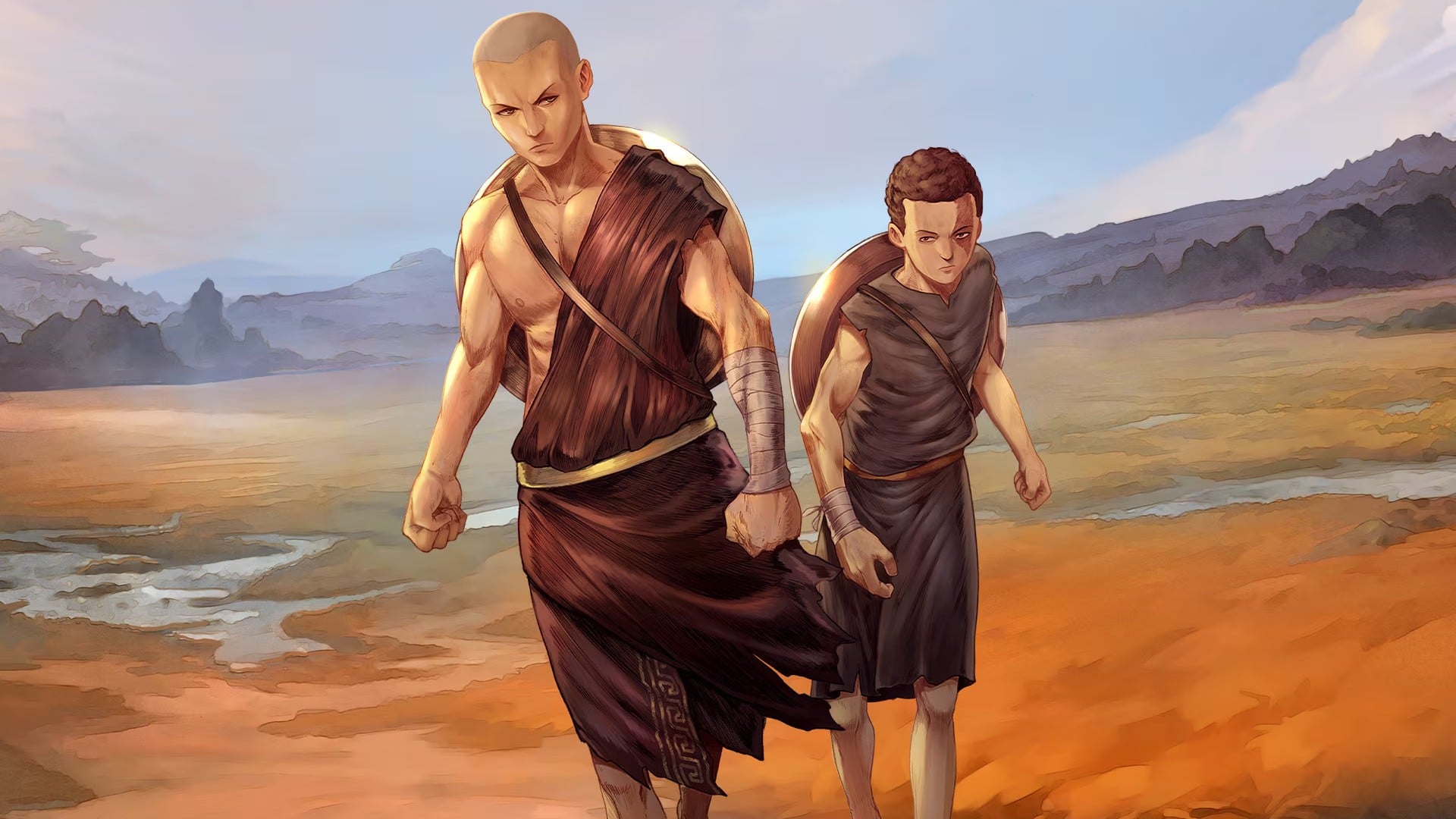
God of War's Co-Op Conundrum: When Unlockable Features Spark 'False Advertising' Fury
The gaming world is ablaze, and at the heart of the inferno is God of War: Sons of Sparta, the latest PlayStation 5 exclusive. What was marketed as a thrilling two-player local co-op experience has instead become the epicenter of a passionate backlash, leaving fans feeling "cheated" and leveling serious accusations of false advertising against the developers.
The Promise and The Catch: A Modern Disconnect
On the surface, God of War: Sons of Sparta promised an epic return for Kratos and his kin, complete with the much-anticipated local co-operative play. For many, this was a key selling point, envisioning hours of shared mythological combat. However, the excitement quickly turned to frustration upon discovery of a significant caveat: the local co-op mode is not immediately accessible. Players must first complete the entire single-player story campaign before they can invite a second warrior to join the fray.
This design choice, while perhaps understandable in a different era, has ignited a fierce debate. Back in the PlayStation 1 and PlayStation 2 days, unlockable modes and characters, often earned through arduous single-player progression, were a badge of honor. They rewarded dedication and added replayability. But today's gaming landscape is vastly different. Immediate gratification, transparent feature sets, and a premium price tag for AAA titles have recalibrated consumer expectations.
Why the Outrage? Beyond Just a "Feature"
The core of the fan outrage stems from a perceived discrepancy between marketing and reality. When a game is advertised as having a two-player local co-op mode, the implicit expectation is that this mode is readily available from the outset, or at least clearly communicated if there are prerequisites. Many players purchased Sons of Sparta specifically to play with a friend or family member, only to find their plans thwarted by a substantial time investment required to unlock the advertised feature.
The sentiment of feeling "cheated" is not merely about inconvenience; it touches upon trust. Gamers invest not just money, but anticipation and emotional capital into new releases. When a core feature, especially one prominently featured in promotional material, is gated behind a lengthy single-player playthrough, it can feel like a bait-and-switch. Accusations of "false advertising" are not made lightly and reflect a deep sense of betrayal among the community.
Developer Intent vs. Consumer Expectation
From a developer's perspective, there could be various reasons for such a design choice. It might be to ensure players fully grasp the narrative and mechanics in a solo setting before introducing the complexity of co-op. It could be an artistic decision to keep the initial story experience pure and uninterrupted. Or perhaps, it was a way to extend the perceived longevity of the game, encouraging multiple playthroughs. However, these intentions appear to have been overshadowed by a failure to manage consumer expectations effectively.
The modern gaming market demands clarity. If a feature has significant unlock conditions, especially one as central as a multiplayer mode, industry best practices suggest clear communication during the marketing phase. Hiding such details, or simply failing to highlight them, risks alienating a significant portion of the player base who prioritize specific gameplay experiences.
The Future Implications: A Call for Transparency
This controversy serves as a critical lesson for the entire video game industry. In an age of digital storefronts and instant refunds (or the lack thereof), consumer trust is paramount. Game publishers and developers must re-evaluate their marketing strategies to ensure they are not just exciting, but also exhaustively transparent about product features and any significant prerequisites.
The backlash against God of War: Sons of Sparta highlights a growing demand for consumer rights in gaming. Players expect to receive what is advertised, and any deviations or unlock conditions for prominent features should be front and center. Failure to do so not only risks widespread negative sentiment and calls for refunds but could also lead to closer scrutiny from regulatory bodies regarding advertising standards.
Ultimately, this incident is more than just about a single game's multiplayer mode. It's a barometer for the evolving relationship between creators and consumers, emphasizing that in the digital age, clear communication is not just good practice – it's essential for maintaining loyalty and avoiding widespread disappointment.