The Silent Sky Battle: Unpacking the Psychology of Airplane Window Shade Peer Pressure
In the often-cramped confines of an airplane cabin, seemingly minor decisions can ignite significant social dilemmas. Among these, the unassuming airplane window shade stands out as a surprising battleground for individual preference versus collective conformity. When flying during the day, do you yield to the unspoken expectation to keep your shade lowered, or do you assert your right to natural light and a view, potentially inviting silent judgment from fellow passengers? This article delves into the intricate social psychology at play, exploring why a simple flap of plastic can become a microcosm of broader societal pressures.
The Unwritten Rules of the Cabin: Conformity in the Clouds
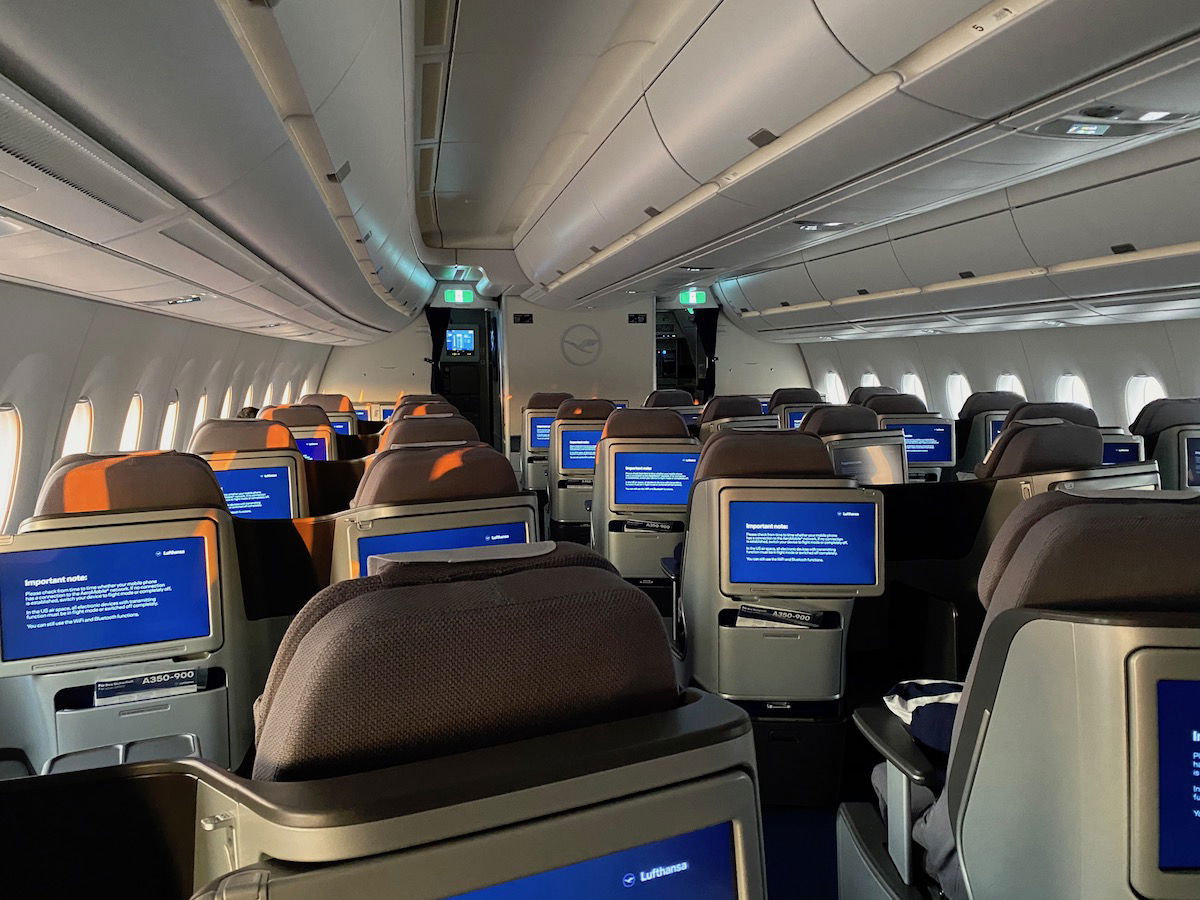
Air travel, by its very nature, forces individuals into close proximity, necessitating a delicate balance of personal space and collective harmony. The window shade dilemma perfectly encapsulates this tension. The source article highlights a common scenario: when a majority of passengers have their shades down, creating a darkened, cinema-like environment, an individual's decision to keep theirs open can feel like a direct challenge to the established (albeit uncommunicated) group norm.
This phenomenon is deeply rooted in social psychology. Humans are inherently wired for conformity, often adjusting their behaviors, attitudes, and beliefs to align with those of a group. This isn't necessarily a weakness; it's a fundamental aspect of social cohesion. In the airplane cabin, the desire to avoid being perceived as disruptive, selfish, or simply 'different' can be a powerful motivator. Passengers might lower their shades not because they genuinely prefer darkness, but to avoid the discomfort of standing out or to prevent casting a glare on another passenger's screen.
Individual Desire vs. Collective Comfort: A Zero-Sum Game?
The core of the conflict lies in the divergent needs and desires of passengers. For many, a window seat is prized precisely for the view – the sprawling landscapes, cloud formations, and cityscapes offering a momentary escape from the monotony of travel. Natural light can also alleviate claustrophobia and contribute to a sense of well-being. Conversely, others prioritize sleep, glare-free screen time, or simply a consistent, darker environment, especially on longer flights crossing multiple time zones. The perception of rudeness often arises when one passenger's individual preference (view/light) directly impacts another's comfort (glare/darkness).
The Role of Reciprocity and Empathy
Beyond simple conformity, elements of reciprocity and empathy also play a part. A passenger might proactively lower their shade, even if they desire a view, anticipating that others might want to sleep or watch movies, hoping that this act of consideration might be reciprocated in other ways, or simply to contribute to a generally more peaceful cabin environment. The unspoken question becomes: Is it rude to disrupt the collective 'mood' of the cabin, even if you are within your rights to enjoy your window?
Future Implications: Shifting Etiquette and Technological Solutions
As air travel continues to evolve, so too will its associated etiquette. The window shade dilemma serves as a potent reminder of the ongoing negotiation required in shared public spaces. While airlines are unlikely to implement strict policies on window shades (beyond safety instructions during take-off and landing), a greater awareness among passengers could foster more mindful decision-making. Perhaps a quick, polite inquiry to nearby passengers before raising a shade could become a new standard.
Moreover, technological advancements offer a glimpse into a future where this specific dilemma might be mitigated. Aircraft like the Boeing 787 Dreamliner, with their electrochromic 'smart windows' that dim electronically instead of using physical shades, provide an interesting case study. While still offering individual control, the diffused light and reduced glare might lessen the impact of an 'open' window on the overall cabin environment, potentially easing the social pressure to conform. However, even with smart windows, the fundamental tension between individual preference and collective comfort remains a pertinent aspect of shared human experience.
Conclusion: A Microcosm of Human Interaction
The seemingly trivial act of raising or lowering an airplane window shade is far more than a simple operational choice. It's a fascinating microcosm of human social dynamics, illustrating our innate tendencies towards conformity, our navigation of shared spaces, and the delicate balance between individual rights and collective consideration. Understanding these unspoken pressures not only helps us navigate the skies more gracefully but also offers insights into the broader patterns of social behavior that govern our interactions every day.