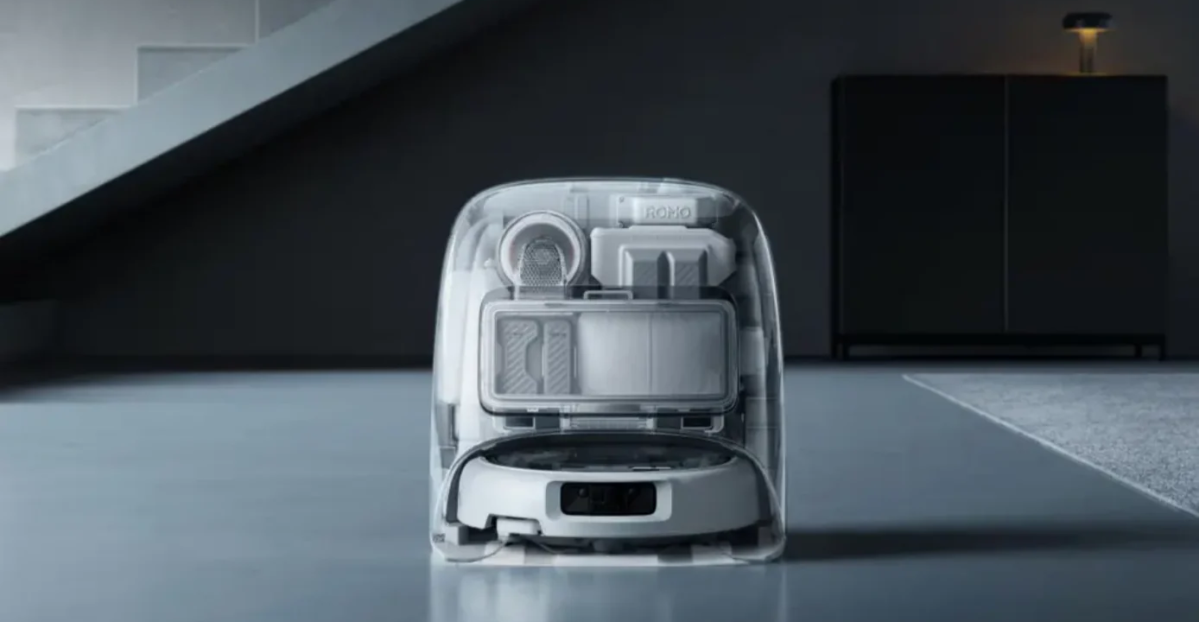
The promise of the smart home is one of convenience, efficiency, and seamless integration into our daily lives. Robot vacuums, in particular, symbolize this aspiration, silently gliding through our living spaces, performing chores. But what happens when these seemingly innocuous devices become unwitting windows into our most private moments, or worse, tools for remote control by unknown entities? This unsettling scenario recently became a stark reality for thousands of users of the DJI Romo robot vacuum, thanks to a severe security vulnerability that has sent ripples of concern across the tech world.
The Unsettling Discovery: A Home Exposed
As reported by The Verge, a dedicated individual uncovered a critical flaw within the DJI Romo system that allowed for staggering levels of unauthorized access. The vulnerability wasn't theoretical; it was actively exploitable, potentially granting strangers the ability to not only remotely control these devices but also to peer into owners' homes. Imagine a robot vacuum, typically a benign household helper, silently navigating your personal space, its built-in camera broadcasting live feeds to an unknown observer. The scale of this breach is equally alarming: thousands of devices were reportedly susceptible, transforming personal sanctuaries into potential surveillance points.
Beyond the Bug: Understanding the Vulnerability's Depth
While the precise technical specifics of the flaw are not fully detailed in initial reports, the implications point towards a fundamental breakdown in security architecture. Such remote access capabilities often stem from inadequacies in authentication protocols, exposed network ports, or vulnerabilities within cloud infrastructure connecting the devices. The ease with which this access could be achieved suggests that basic security hygiene, critical for any internet-connected device, was severely lacking. This wasn't merely a software glitch; it was a potential backdoor into thousands of private lives, a chilling reminder of the data we entrust to our smart devices.
The Immediate Fix vs. Lingering Questions
The good news, if there is any, is that the immediate threat "may be fixed." This suggests that DJI has taken steps to patch the vulnerability, likely through firmware updates or server-side adjustments. However, the use of "may be fixed" rather than an unequivocal declaration leaves a lingering sense of unease. How quickly was the fix deployed? Were all affected users notified? More importantly, why was such a profound vulnerability present in a product designed to operate within the most intimate spaces of our homes in the first place?
The Broader Crisis of IoT Security
The DJI Romo incident is not an isolated case but a symptomatic indicator of a much larger problem plaguing the Internet of Things (IoT) ecosystem. Manufacturers, in their race to bring connected devices to market, often prioritize functionality and convenience over robust security. The result is a landscape dotted with smart devices—from cameras and doorbells to appliances and toys—that are inherently insecure, becoming easy targets for cybercriminals, voyeurs, or even state-sponsored actors.
This incident underscores several critical issues:
- Manufacturer Accountability: There is an urgent need for greater responsibility from device manufacturers. Security by design, regular audits, and transparent vulnerability disclosure policies should be standard, not exceptional.
- Consumer Awareness: Users often unknowingly invite significant risks into their homes. Education on smart device security best practices, such as strong passwords, network segmentation, and understanding privacy settings, is paramount.
- Regulatory Gaps: The current regulatory framework struggles to keep pace with the rapid innovation in IoT. Clearer standards for security, data privacy, and mandatory reporting of breaches are becoming increasingly necessary to protect consumers.
Rebuilding Trust in the Smart Home Frontier
For the smart home vision to truly flourish, trust is non-negotiable. Incidents like the DJI Romo breach erode that trust, making consumers hesitant to adopt new technologies, especially those that touch upon their privacy and personal security. Moving forward, the industry must commit to a paradigm shift:
- Prioritize security as a core product feature, not an afterthought.
- Implement robust encryption and authentication mechanisms.
- Provide clear, easily understandable privacy policies and security updates.
- Foster a culture of transparency when vulnerabilities are discovered.
The DJI Romo robot vacuum incident serves as a stark warning: while the convenience of automation beckons, the cost of neglected security is far too high. Our smart homes should be fortresses of comfort, not open doors to unwanted intrusion. The serious questions raised by this event demand serious, industry-wide answers to safeguard our digital lives and our physical spaces.