Line in the Sand: Trump's Fort Bragg Rally and the Erosion of Military Non-Partisanship
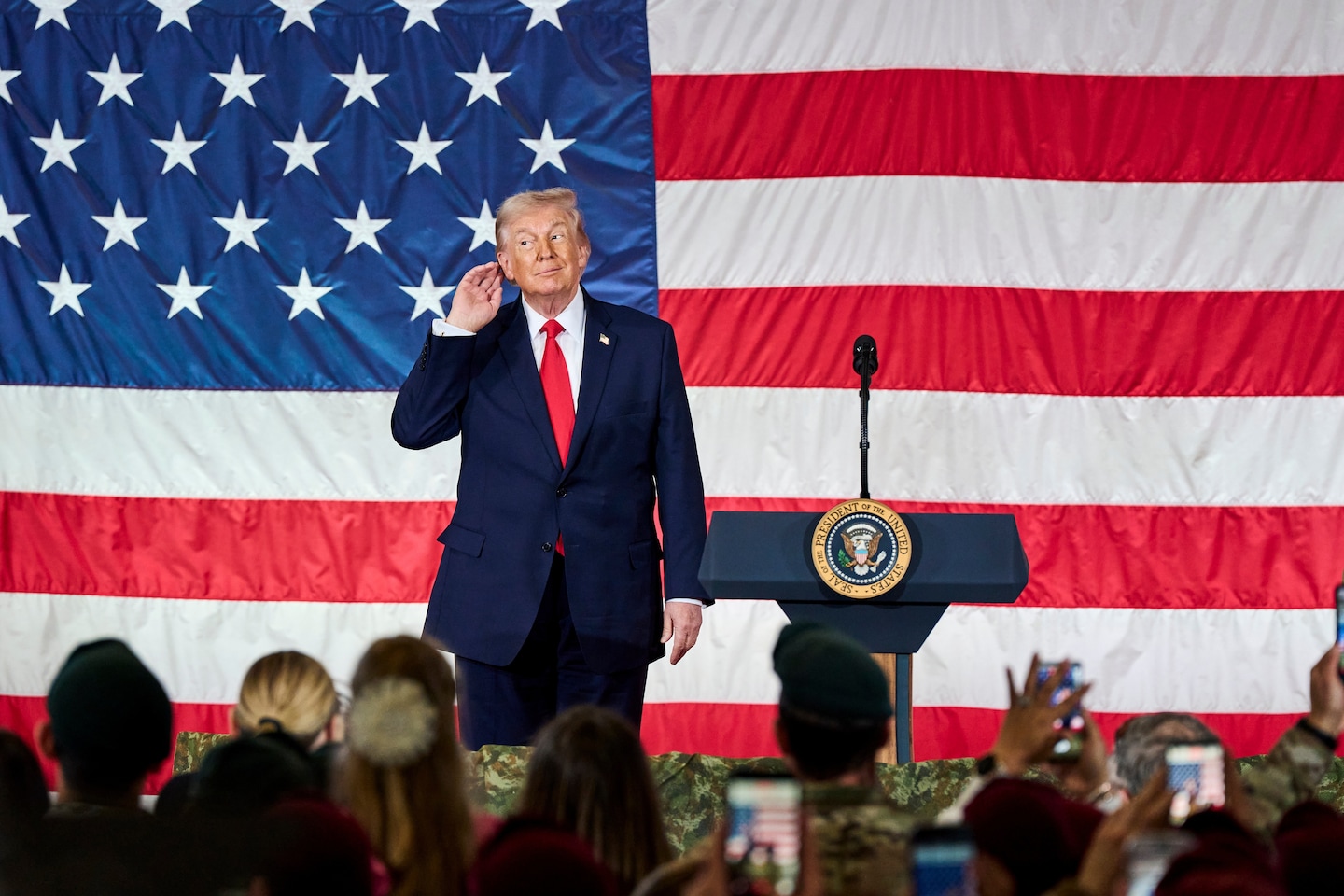
In a scene that stirred both political fervor and constitutional debate, President Donald Trump held a campaign-style rally at Fort Bragg, North Carolina, delivering a partisan address that directly contravened the long-standing military policy prohibiting such displays. The event, marked by the familiar cadence of a Trump rally, saw the President endorse Republican candidates, lambast his predecessor, and explicitly urge the uniformed audience to vote GOP – a moment that has sent ripples through the delicate fabric of civil-military relations.
A Tradition Under Pressure: The Military's Apolitical Stance
For generations, the U.S. military has prided itself on an unwavering commitment to non-partisanship. This tradition is not merely a courtesy but a cornerstone of its effectiveness and public trust. Department of Defense (DoD) directives and Army regulations explicitly prohibit service members from engaging in partisan political activities while in uniform or on official duty. This policy ensures that the military remains loyal to the Constitution and the nation, rather than to any single political party or leader. It protects the institution from becoming a tool for political gain and preserves its legitimacy in the eyes of a diverse citizenry.
Fort Bragg, one of the largest military installations in the world and home to critical special operations forces, serves as a poignant backdrop for this challenge. Its significance amplifies the gravity of the President's actions, transforming a localized event into a national conversation about the boundaries of presidential authority and military decorum.
The Rally: A Breach of Protocol?
The rally unfolded true to form: President Trump's entrance to Lee Greenwood's "God Bless the USA," a staple of his campaign events, immediately set a partisan tone. He then proceeded to promote specific Republican candidates, criticize the previous administration – standard fare for a political rally – but then directly implored the assembled service members and their families to vote for his party. This direct solicitation, especially within the confines of a military base and to an audience that included uniformed personnel, raised immediate alarms.
Crucially, reports from the event noted that "most service members refrained from cheering," an observation that speaks volumes. It suggests an awareness among the ranks of the impropriety of the situation, a silent adherence to the principles of military neutrality even in the face of a direct appeal from their Commander-in-Chief. This restraint, while perhaps understated, underscores the deep-seated understanding within the military of its apolitical role.
Implications and Future Challenges for Civil-Military Relations
The Fort Bragg rally is not an isolated incident but rather fits into a broader pattern of increasing politicization of the military under recent administrations. However, the direct call to vote for a specific party on a military base marks a significant escalation. The implications are multifaceted and potentially profound:
- Erosion of Trust: Repeated breaches of non-partisanship can erode public trust in the military's neutrality, leading to perceptions that it is aligned with a particular political agenda. This can be deeply damaging for a force that relies on broad public support.
- Internal Divisions: Politicizing the military risks fostering internal divisions along partisan lines, undermining unit cohesion and the singular focus on national defense.
- Precedent Setting: Such events set a dangerous precedent for future administrations, potentially normalizing the use of military installations and personnel for partisan political campaigning.
- Challenges for Military Leadership: Military leaders face an unenviable dilemma: how to uphold regulations and the ethos of non-partisanship while navigating the direct commands or actions of their Commander-in-Chief. This requires a delicate balance of deference and principled adherence to institutional values.
Conclusion: Guarding the Guardians
The Fort Bragg incident serves as a stark reminder of the fragile boundary between civilian political leadership and the apolitical military. While presidents are undeniably the Commander-in-Chief, their authority is tempered by the foundational principles of American democracy, including the imperative to maintain an impartial fighting force. The collective silence of service members at the rally, a quiet testament to their understanding of their role, highlights the internal strength of the military's non-partisan culture. However, repeated pressures from the highest office risk weakening this vital safeguard. As "NovaPress" continues to observe, safeguarding the military's apolitical nature is not just a matter of policy, but a crucial component of national security and democratic resilience.