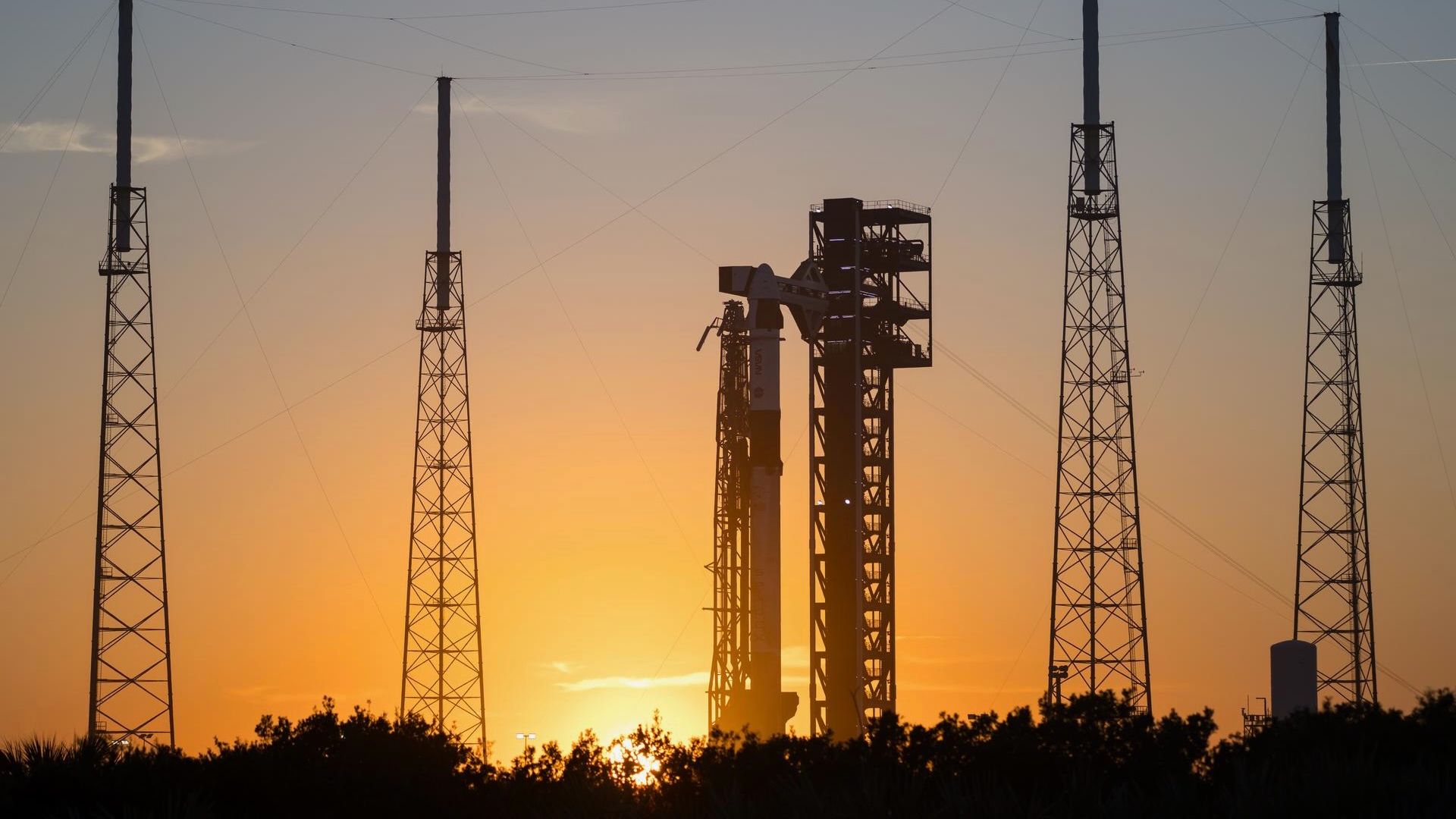
The Dawn of Routine: Crew-12 Signals a New Era for Human Spaceflight
Friday, February 13, 2026, marked another pivotal moment in humanity's quest for the stars as SpaceX's Crew-12 mission successfully launched astronauts towards the International Space Station (ISS). A Falcon 9 rocket, now a familiar sight on the launchpad, carried the Dragon capsule, affectionately named 'Freedom', into orbit. The breathtaking views of 'Freedom' against a sunrise backdrop as it separated from the Falcon 9's upper stage weren't just spectacular; they were a vivid reminder of how far commercial spaceflight has come, and a tantalizing glimpse into its ambitious future.
The Maturation of Commercial Crew Transport
What once felt like science fiction is steadily becoming routine. The Crew-12 mission, a collaboration between NASA and SpaceX, is more than just another resupply or crew rotation flight. It underscores the maturation of private industry's role in human spaceflight. For years, the dream of affordable, reliable access to space hinged on government-led initiatives. Now, companies like SpaceX have not only proven their capability but have also streamlined the process, driving down costs and increasing launch frequency.
The 'Freedom' capsule, a testament to reusable technology and innovative design, carries not just astronauts but the hopes of a generation eager to see humanity expand its footprint beyond Earth. Its journey to the ISS serves as a vital artery, ensuring the continued operation of the orbital laboratory – a unique proving ground for science, technology, and international cooperation that benefits all of humankind back on Earth.
ISS: A Crucible for Future Exploration
With Crew-12 en route, the ISS continues its indispensable role as a microgravity research facility. From experiments in advanced materials and medicine to psychological studies on long-duration space travel, the station is laying the groundwork for missions that will take us further than ever before. Each crew rotation, facilitated by missions like Crew-12, brings fresh minds and hands to these critical endeavors, pushing the boundaries of what's possible.
The ongoing presence of humans in low-Earth orbit allows for:
- Pioneering Scientific Research: Breakthroughs in fields ranging from biotechnology to physics.
- Technological Development: Testing new systems and components in the harsh environment of space.
- International Collaboration: Fostering global partnerships vital for complex, large-scale space endeavors.
- Human Health Studies: Understanding and mitigating the effects of space on the human body, crucial for lunar and Martian missions.
Beyond LEO: The Road to the Moon and Mars
The success of Crew-12 and its predecessors is not an end in itself; it's a stepping stone. The experience gained in operating these commercial crew vehicles and sustaining a continuous human presence in orbit is directly applicable to NASA's Artemis program, which aims to return humans to the Moon, and eventually, to Mars. SpaceX's broader ambitions, including the Starship program, envision a future where interplanetary travel is not just a government prerogative but a viable option for many.
As the 'Freedom' capsule glides towards the ISS, ferrying its precious cargo of human ingenuity, the vision becomes clearer: routine access to low-Earth orbit paves the way for more ambitious deep-space exploration. The collaboration between public and private entities is not merely efficient; it's accelerating humanity's timeline for becoming a multi-planetary species. The stunning sunrise view from orbit reminds us that every successful launch is not just about reaching space, but about expanding our horizons, one mission at a time, into a future filled with boundless possibilities.