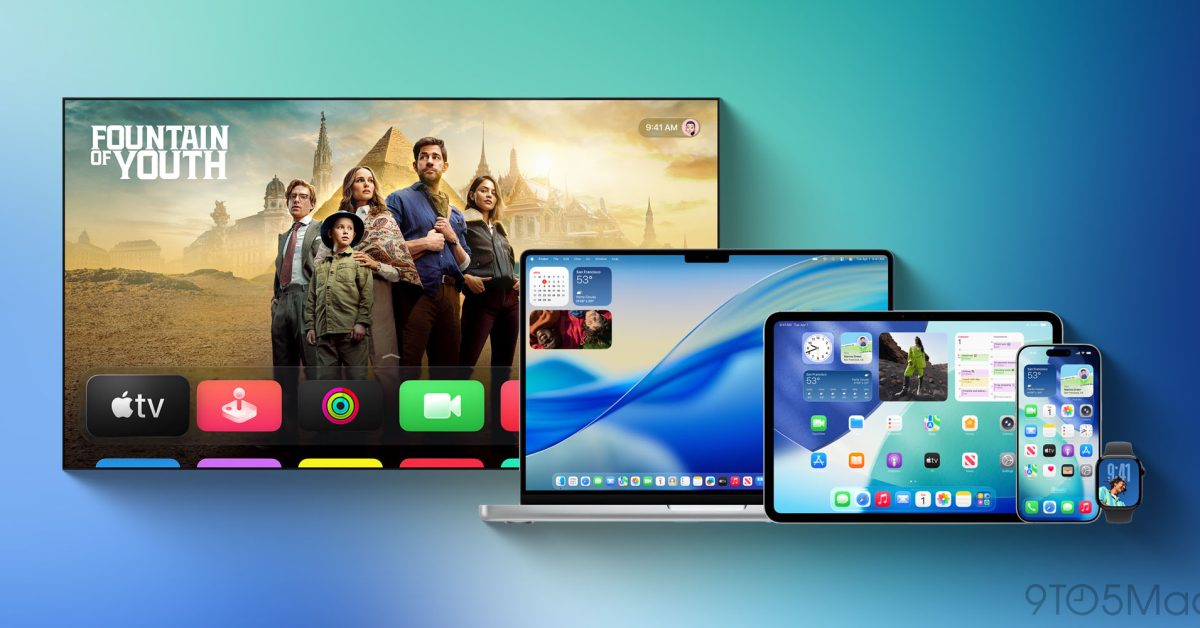
Apple's Silent Cull: Four Products Nearing Obsolescence as New Launches Loom
Reports are circulating from reliable sources, including 9to5Mac, indicating that Apple is gearing up to discontinue four distinct products. The tell-tale signs are clear: supply is rapidly drying up at Apple Stores, a classic precursor to an imminent phase-out. This isn't merely about clearing inventory; it's a deeply strategic maneuver that reflects Apple's relentless pursuit of innovation, optimization of its product ecosystem, and maintaining its premium market position.
The Inevitable Cycle of Innovation
Apple's product lifecycle management is legendary for its precision and foresight. The scarcity of certain product lines—especially ahead of anticipated new launches—is a well-worn pattern that signals the end of the road for existing models. This strategy serves multiple critical purposes: it ensures a fresh, cutting-edge product lineup, actively encourages consumers to upgrade to the latest technology, and helps maintain healthy profit margins by focusing production on newer, often higher-margin devices.
For years, observers have keenly watched these supply chain fluctuations. When a product becomes harder to find in official channels, it's often a countdown to its eventual designation as 'vintage' or 'obsolete,' meaning an end to official sales, and eventually, support.
Likely Candidates and Their Implications
While Apple typically keeps specific discontinuation details under wraps until official announcements, historical patterns and the hint of 'iPho...' in the original report provide strong clues. It's highly probable that older iPhone models are among the products being phased out, making way for the next generation of Apple's flagship smartphone. Beyond iPhones, likely candidates for discontinuation often include:
- Aging iPad Variants: Specific generations or less popular configurations of iPads that have been on the market for several years.
- Select Mac Models: Older MacBooks or iMacs that haven't received significant updates and might be overshadowed by newer models featuring Apple's M-series chips.
- Accessories and Wearables: Certain long-standing accessories, older Apple Watch bands, or even specific Beats audio products that are due for a refresh or have been superseded by newer technologies.
The primary driver behind these moves is often the need to make room for next-generation hardware. This includes devices boasting improved processors (e.g., advancements in A-series or M-series chips), enhanced camera technologies, or perhaps even new form factors. Discontinuation also has a ripple effect on the third-party accessory market, influencing consumer buying decisions as compatible add-ons become less relevant.
The Apple Upgrade Treadmill: A Strategic Imperative
This perpetual cycle of launching new products and phasing out older ones is a cornerstone of Apple's incredibly successful business model. It ensures a dynamic and innovative brand image, keeps users actively engaged within the Apple ecosystem, and incentivizes the adoption of new services like Apple Arcade, Fitness+, and iCloud+, which are often tied to the capabilities of newer hardware.
For consumers, understanding this rhythm is crucial. The discontinuation of a product means a potential decrease in its resale value and, eventually, the cessation of software updates and official hardware support. For prospective buyers, it underscores the importance of timing purchases wisely and being aware of a product's expected lifecycle to avoid investing in technology that is about to become obsolete.
Conclusion: Gearing Up for What's Next
Apple's anticipated product cull is far more than a simple inventory clear-out. It is a meticulously calculated maneuver that underpins its innovation strategy, maintains its competitive edge, and continually reshapes the global technology landscape. As these four products quietly fade from the shelves, users and industry watchers alike should brace themselves for the inevitable wave of new announcements that will undoubtedly fill the void, pushing the boundaries of what's possible in personal technology.