The Crystal Conundrum: Dinosaur Eggs Found Packed with Jewels, Not Juveniles, Redefining Fossilization
By NovaPress Science Desk | Exclusive Deep Dive
Paleontology, by its very nature, is a science of expectation and meticulous uncovering. Researchers often spend years, even decades, piecing together the ancient past from fragments of bone, imprints of flora, and the rare, breathtaking discovery of a fossilized egg. These eggs are invaluable time capsules, offering direct insights into the reproductive strategies, embryonic development, and even the last moments of creatures that roamed our planet millions of years ago. But what happens when the time capsule, once opened, reveals not the expected remnants of life, but something entirely alien, yet equally mesmerizing?
A Discovery That Rewrites the Rules
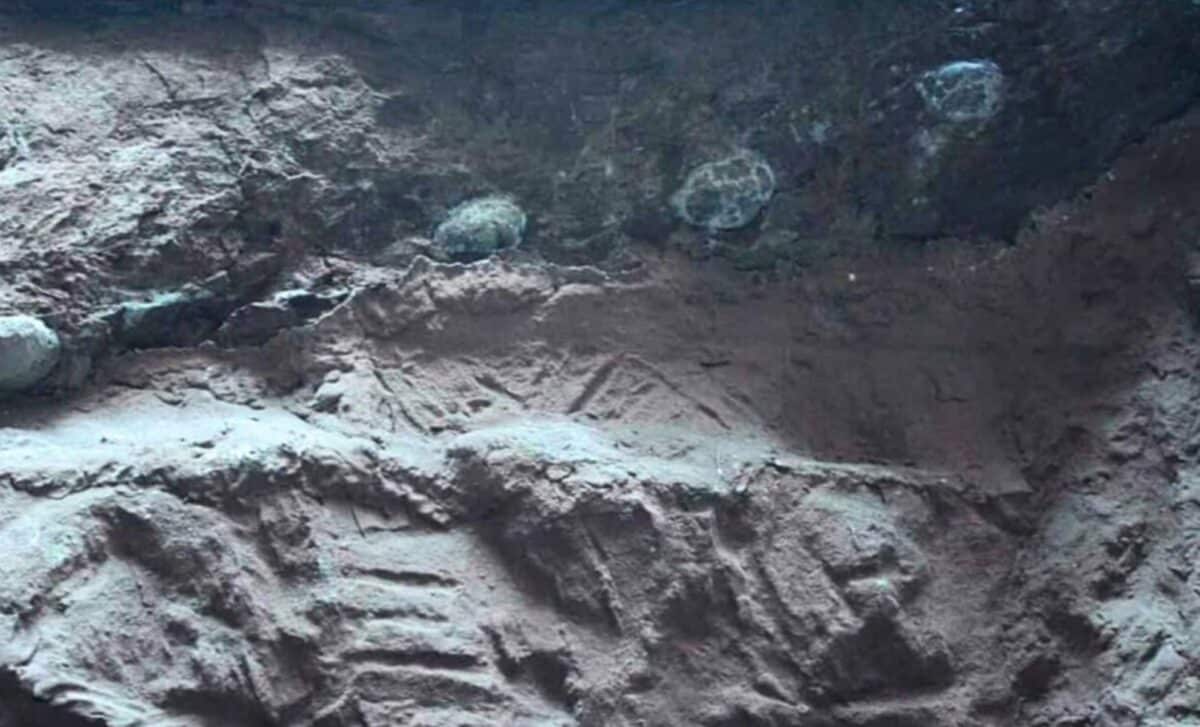
Recent excavations in a remote basin in eastern China have delivered precisely such a perplexing revelation. Two nearly spherical dinosaur eggs, each the approximate size of a cannonball, were unearthed. Initial excitement was palpable; the prospect of finding well-preserved embryos or even skeletal fragments within such substantial specimens promised a trove of new information. However, upon carefully sectioning these ancient ovals, paleontologists were met with an astounding sight: instead of the delicate tracery of fossilized bone or the remains of a dinosaur embryo, the eggs were hollow, their interiors lined with a dazzling array of massive, interlocking crystals.
This unprecedented discovery immediately propelled these 'crystal eggs' into the international spotlight, not for what they preserved, but for what they emphatically did not. The absence of organic remains, coupled with the dramatic presence of mineral formations, presents a profound taphonomic mystery – a puzzle concerning the processes of decay and fossilization itself.
The Geochemical Puzzle: How Eggs Become Geodes
The transformation of what should have been a biological vessel into a geological wonder speaks to a complex interplay of environmental factors active millions of years ago. Geodes, common in various rock types, form when dissolved minerals seep into a cavity within a rock and then crystallize. The fact that dinosaur eggs, porous structures inherently designed to house life, underwent a similar metamorphosis is remarkable.
Scientists are currently exploring several hypotheses to explain this phenomenon. One leading theory posits that the eggs were buried under specific geochemical conditions that facilitated the rapid dissolution of organic matter, perhaps even before significant embryonic development. Simultaneously, the egg's interior must have been exposed to mineral-rich groundwater, which then precipitated and crystallized within the vacant space. The sheer size and clarity of the crystals suggest a slow, undisturbed growth process over an extended period, protected by the sturdy eggshell.
Factors such as the pH of the surrounding sediment, the presence of specific ions (like silicates or carbonates), temperature, and pressure would all have played critical roles. It's plausible that a swift burial event, possibly under volcanic ash or sedimentary deposition, quickly sealed the eggs, preventing decomposition by scavengers or bacteria, yet allowing for mineral infiltration.
Implications for Paleontology and Beyond
This discovery challenges our preconceived notions about what constitutes "fossilization." While we typically seek the preservation of anatomical structures, these crystal-filled eggs demonstrate an alternative fate for organic matter in specific geological contexts. It forces paleontologists to consider the full spectrum of post-mortem processes that can affect biological remains, offering a more nuanced understanding of the fossil record's inherent biases and gaps.
- Taphonomic Insights: The 'geode eggs' provide a unique case study for understanding the specific environmental conditions that promote rapid organic decay and subsequent mineral replacement or infilling, rather than traditional petrification.
- Mineralogy and Geochemistry: Detailed analysis of the crystal composition and the surrounding matrix can yield valuable data about the ancient environment – the types of minerals present in the groundwater, the stability of the sediment, and even paleo-climate indicators.
- Rethinking Fossil Searches: This find might encourage researchers to look differently at unusual geological formations in known fossil sites. Could other 'anomalous' mineral concretions actually be highly altered biological structures?
The Future of Crystal Eggs
The immediate next steps involve extensive laboratory analysis of the eggs' shells, the crystals themselves, and the surrounding geological strata. Scientists will employ advanced techniques such as X-ray diffraction, electron microscopy, and isotopic analysis to uncover the precise conditions under which these geological marvels formed.
Furthermore, this discovery opens the door for a re-examination of other seemingly barren fossil egg sites. It raises the intriguing possibility that similar crystal-filled eggs might have been overlooked or misidentified as simple mineral concretions in the past. As our tools and understanding evolve, the "what ifs" of paleontology continue to expand, revealing a world far more complex and surprising than we could have ever imagined.
The dinosaur crystal eggs are more than just a scientific curiosity; they are a powerful reminder that the Earth's ancient history holds countless secrets, sometimes hidden in plain sight, waiting for the curious mind to crack them open and reveal a dazzling new perspective on the grand tapestry of life and geology.