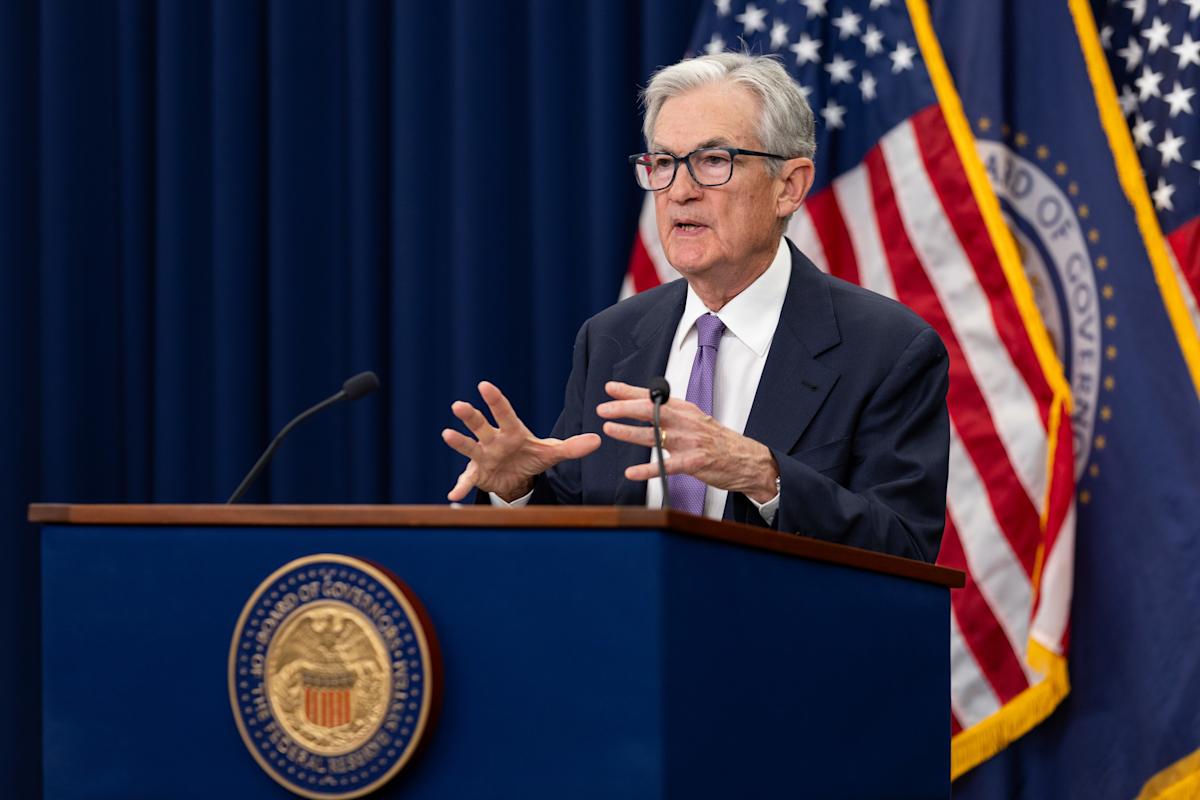
NovaPress Exclusive: The Fed's 0.25% Cut – A Calculated Gamble on 2026's Economic Horizon
By NovaPress Editorial Team
As 2025 draws to a close, the Federal Reserve delivered a pivotal decision at its final meeting, opting to cut interest rates by a quarter percentage point. This move, widely anticipated by some but keenly watched by all, immediately sent positive ripples through financial markets. Yet, beneath the surface of optimism, lies the candid admission from Chair Jerome Powell: there is "no risk-free path" ahead. This declaration frames the Fed's latest action not merely as a response to current economic data, but as a strategic maneuver navigating the complex and often unpredictable waters of the coming year.
Understanding the Rationale Behind the Cut
The decision to reduce the benchmark interest rate by 25 basis points reflects a careful assessment by the Federal Open Market Committee (FOMC). While the full details of their deliberations will emerge, the prevailing sentiment suggests a growing confidence in the trajectory of inflation, coupled with a desire to pre-empt any potential economic slowdown. Lower interest rates typically stimulate borrowing and investment, providing a potential tailwind for economic growth. This proactive stance aims to ensure the economy maintains momentum as it transitions into 2026, especially after a period of aggressive tightening.
Market Euphoria vs. Underlying Realities
Financial markets, true to form, responded with a burst of enthusiasm. Equity indices climbed, and bond yields adjusted, signaling investor relief and a renewed appetite for risk. This positive reaction can be attributed to several factors: the potential for lower corporate borrowing costs, increased consumer spending power for certain purchases, and a general perception that the Fed is now in an "easing" cycle. However, it's crucial to differentiate between immediate market sentiment and the broader, long-term economic outlook. Market optimism, while valuable, doesn't erase the inherent volatilities and challenges that lie ahead.
Chair Powell's Cautionary Note
Chair Powell's "no risk-free path" statement serves as an important counterpoint to market exuberance. It underscores the Fed's awareness of persistent uncertainties, which could include lingering inflationary pressures in specific sectors, geopolitical instability, unforeseen supply chain disruptions, or shifts in global economic demand. This caution implies that while the immediate future might look brighter with lower rates, policymakers remain vigilant, ready to adapt should economic conditions deviate significantly from their projections.
The Road Ahead: What to Expect in 2026
The Fed's revised outlook for 2026 is now front and center for analysts and investors. The central bank reportedly foresees continued economic growth, albeit potentially at a more moderate pace, buoyed by the rate cut. For businesses, this could mean more favorable conditions for expansion and investment. For consumers, lower rates might translate into cheaper mortgages, car loans, and credit, although the impact will vary based on individual financial situations and lender policies.
However, the path isn't devoid of potential bumps. The effectiveness of this rate cut in stimulating robust, sustainable growth without reigniting inflation will be a key metric to watch. Furthermore, the global economic landscape, with its interconnected trade networks and capital flows, will exert its own influence, potentially amplifying or mitigating the Fed's domestic policies.
NovaPress Perspective: A Delicate Balancing Act
The Federal Reserve's final decision of 2025 is a testament to the delicate balancing act required of monetary policy. It seeks to support economic vitality without compromising price stability. While markets have cheered the initial move, the true test lies in 2026. NovaPress will continue to monitor the unfolding economic narrative, providing in-depth analysis to help our readers navigate these critical times. The 0.25% cut is a significant marker, but it is merely the opening chapter in the economic story of the new year.