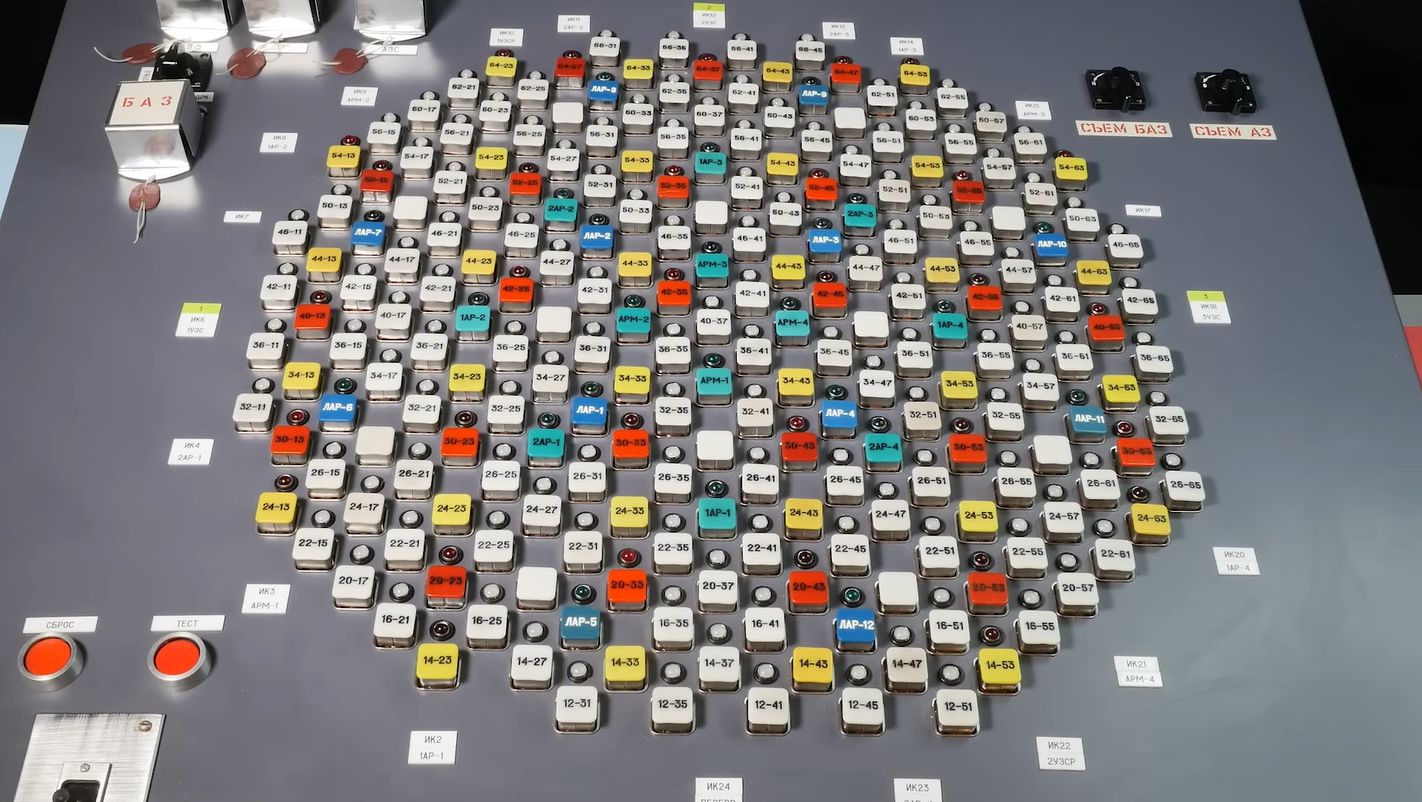
Echoes of Chernobyl: Why Rebuilding an RBMK Control Panel Matters More Than Ever
In an era dominated by sleek touchscreens, voice commands, and minimalist digital interfaces, the notion of operating a complex industrial system—let alone a nuclear reactor—with a dizzying array of physical dials, buttons, and switches feels like a relic from a bygone age. Yet, this was the reality of pre-digitalization plants, particularly the infamous RBMK reactor. A recent endeavor to recreate a functional control panel of the Chernobyl RBMK reactor isn't just an exercise in historical reconstruction; it's a profound deep dive into human-machine interaction, engineering philosophy, and the enduring lessons of one of history's gravest industrial accidents.
The Analog Labyrinth: A World Before Pixels
Imagine a control room where every critical parameter, every valve position, and every system status was represented by a dedicated physical indicator. No context-sensitive menus, no multi-function displays, just a sprawling landscape of gauges, lamps, and toggle switches, each with a singular purpose. To the uninitiated, such a panel appears as a chaotic jumble – an indecipherable mess of controls. However, to a highly trained operator, this analog labyrinth was an intuitive extension of their will, a direct window into the plant's operational state.
The design philosophy behind these panels prioritized immediate, physical feedback and dedicated controls for critical functions. Operators could often discern the plant's health through a combination of visual patterns, the tactile feel of switches, and even the subtle hum of machinery. This direct, unmediated interaction fostered a deep understanding of the system, albeit demanding extensive training and experience.
The RBMK Reactor: Complexity and Consequence
The RBMK (Reaktor Bolshoy Moshchnosti Kanalnyy – High-Power Channel-type Reactor) design, notably used at Chernobyl, was unique. Its vast size, numerous individual fuel channels, and specific operational characteristics meant its control panel was exceptionally complex. The source material highlights the 'daunting' nature, but also that 'all make perfect sense to a trained operator.' This duality is critical. The design itself, combined with certain operational procedures and institutional shortcomings, tragically culminated in the 1986 Chernobyl disaster. While the accident's root causes are multi-faceted, the human interface – how operators perceived and interacted with the system – played a significant role.
Reconstructing such a panel offers an unparalleled opportunity to study this specific HMI. It allows us to physically engage with the very controls that operators manipulated, providing a tangible link to a pivotal moment in history and a deeper appreciation for the immense responsibility they bore.
Beyond Recreation: Education and Preservation
The 'Hackaday' project to create a functional RBMK control panel transcends mere curiosity. It serves multiple crucial purposes:
- Historical Preservation: Many of these original control rooms are either inaccessible, decommissioned, or have been modernized. Recreating them preserves a vital piece of industrial and technological history.
- Educational Tool: For engineering students, nuclear safety professionals, and the general public, a functional replica provides an immersive way to understand the complexities of nuclear plant operation and the specific challenges of the RBMK design. It’s far more impactful than theoretical diagrams.
- Human Factors Research: It offers a sandbox for researchers to study the efficacy of analog HMIs, operator workload, decision-making under pressure, and the impact of interface design on human error.
Analog vs. Digital: Lessons for the Future of HMI
The juxtaposition of these old panels with modern digital control systems (DCS) highlights an ongoing debate in HMI design. While DCS offers immense advantages in data aggregation, automation, and reduced physical footprint, it also introduces new challenges:
- Information Overload: Digital screens can display vast amounts of information, potentially overwhelming operators or obscuring critical data without proper hierarchy.
- Loss of Tactile Feedback: The physical interaction of an analog system provides immediate, haptic feedback that a touchscreen often lacks, potentially reducing situational awareness.
- System Complexity: While individual controls might be simpler, the underlying software and network complexity of DCS can introduce new points of failure or obscure system states.
The RBMK panel, in its analog glory, reminds us that clarity, directness, and a deep understanding of the system's underlying physics are paramount, regardless of the interface technology. Modern HMI designers can learn from the strengths of these older systems, integrating the best of both worlds – the data processing power of digital with the intuitive, direct control of analog where appropriate.
Conclusion: A Tangible Link to a Critical Past
The endeavor to rebuild a functional RBMK control panel is far more than a technical hobbyist's dream. It's a critical act of historical preservation, an invaluable educational resource, and a potent reminder of the complex interplay between human design, technological capabilities, and the profound consequences of their interaction. As we continue to push the boundaries of automation and digital control, looking back at these analog behemoths provides enduring wisdom about the importance of intuitive design, comprehensive training, and the indispensable role of the human operator in mastering the machines that power our world.