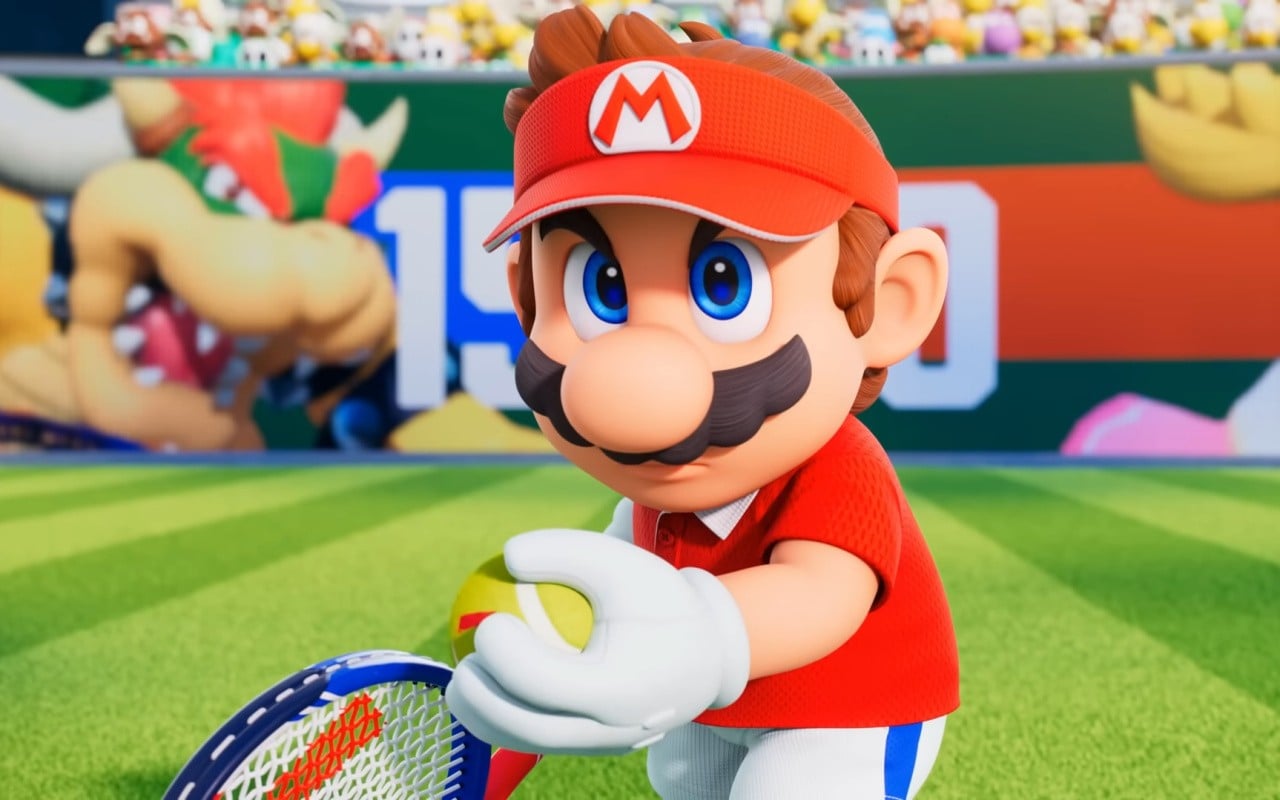
The New Normal? Mario Tennis Fever and the Day One Patch on Nintendo Switch 2
The launch of a new Nintendo console is always a monumental event, brimming with anticipation for innovative hardware and beloved first-party titles. With the highly anticipated arrival of the Nintendo Switch 2, gamers worldwide are eager to dive into the next generation of Nintendo entertainment. Among the flagship launch titles is Mario Tennis Fever, a game poised to reignite competitive spirit on the virtual courts. However, early adopters should be aware of a familiar modern gaming trend: the day one patch.
Version 1.0.1: An Immediate Download for Online Play
As players prepare to unbox their brand-new Switch 2 consoles and slot in their copy of Mario Tennis Fever, they will be greeted with a prompt for a mandatory update to Version 1.0.1. While small in scale, this initial patch carries significant weight, particularly for a title designed with robust multiplayer capabilities. The official word indicates that this update is essential for online play, meaning competitive enthusiasts looking to challenge friends or global rivals right out of the gate will need an internet connection and a few minutes for the download.
The Modern Imperative: Why Day One Patches Are Ubiquitous
Day one patches have become an almost universal aspect of the modern gaming landscape, regardless of developer or platform. This trend is a testament to the complex and dynamic nature of contemporary game development. Games are often 'gold' (finalized for manufacturing) weeks or even months before their retail release. During this crucial period, development teams continue to refine, balance, and squash bugs that were discovered too late for inclusion on the physical disc or cartridge. Furthermore, with the prevalence of online connectivity, developers can push last-minute enhancements or critical fixes directly to players, ensuring a more stable and feature-rich experience from day one.
- Last-Minute Refinements: Addressing minor graphical glitches, audio bugs, or performance hiccups.
- Balancing: Tweaking character abilities or game mechanics based on extensive internal testing.
- Essential Feature Unlock: As seen with Mario Tennis Fever, online functionality is often a prime candidate for post-gold development and patch delivery.
- Security Enhancements: Patching potential exploits or vulnerabilities before wider public access.
Nintendo's Shifting Paradigm with Switch 2
For many years, Nintendo cultivated a reputation for releasing highly polished games that were largely bug-free at launch, often eschewing the reliance on extensive post-launch patching seen in other industry giants. However, this stance has visibly evolved, particularly through the lifecycle of the original Nintendo Switch. Day one patches became more common, and significant updates, sometimes adding entirely new content, became standard practice for many first-party titles. The mandatory online-play patch for Mario Tennis Fever on the Switch 2 indicates that this trend is not only continuing but solidifying with their new hardware.
This pivot reflects several realities:
- Increased Complexity: Modern games, even seemingly simple ones like a Mario sports title, feature intricate systems, high-fidelity graphics, and complex online infrastructures.
- Connectivity Expectations: Players now expect robust online multiplayer from nearly every major release, and ensuring a seamless experience often requires continuous refinement.
- Faster Development Cycles: The pressure to release games on schedule can lead to certain features or fixes being pushed to a post-launch update.
Implications for the Switch 2 Ecosystem
The requirement for a day one patch for Mario Tennis Fever on the Switch 2 sets a precedent for the console's lifecycle. While a minor inconvenience for those with stable internet, it underscores the need for connectivity even for physical game owners. For players in regions with limited internet access or those who prefer a truly 'offline-ready' experience, this shift could be a point of consideration. More broadly, it signals that Nintendo is fully embracing the live-service aspects of modern gaming, where a game's release is just the beginning of its journey, with ongoing updates, bug fixes, and potential content additions throughout its lifespan.
As the Switch 2 ecosystem matures, we can anticipate more titles, both first- and third-party, following suit. This paradigm allows developers greater flexibility and responsiveness but places a higher reliance on players having consistent internet access. For Mario Tennis Fever, it means a potentially smoother and more stable online experience for its vibrant community from day one, albeit after a brief download.
Conclusion: The Unavoidable Evolution of Gaming
The day one patch for Mario Tennis Fever on the Nintendo Switch 2 isn't just a minor update; it's a small but significant indicator of the ongoing evolution of the video game industry. It highlights the increased complexity of modern titles, the necessity of online connectivity for core features, and Nintendo's continued adaptation to these industry-wide shifts. While the romantic ideal of a perfectly finished game on a cartridge persists, the practical realities of development dictate that day one updates are here to stay. For Switch 2 owners, it simply means one more step before hitting the courts, but a crucial one for the full, intended online experience.