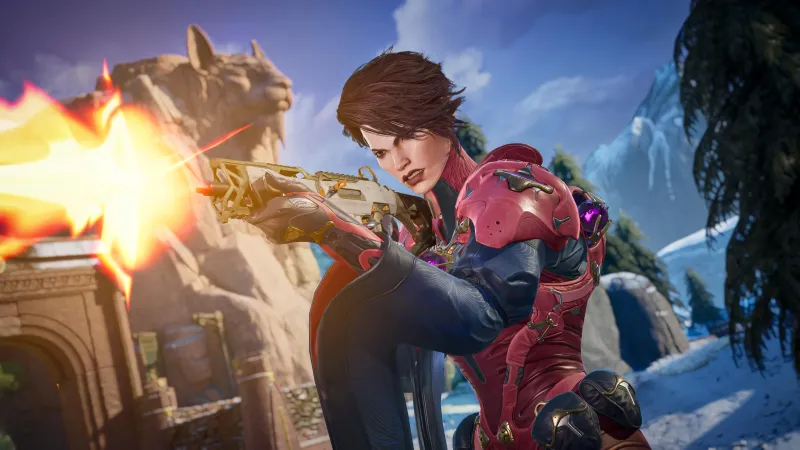
The Unsettling Silence: Wildlight Entertainment Layoffs Cast a Shadow on the Gaming Industry
The gaming world awoke to somber news today as Wildlight Entertainment, the studio behind the anticipated title "Highguard," officially confirmed widespread layoffs. Following initial reports from former staff members on LinkedIn, the developer released a statement acknowledging that a significant portion of its team has been let go, sending ripples of concern throughout the industry.
A Familiar Narrative: Highguard's Uncertain Future
While the full extent of the layoffs remains undisclosed, the confirmation from Wildlight themselves paints a grim picture. "Highguard," a title that had garnered considerable attention, now faces an uncertain future. The departure of "most of the team" suggests a fundamental restructuring, if not a complete halt, to the game's development and post-launch support. This incident sadly echoes a growing trend where promising projects are either drastically altered or entirely abandoned following studio contractions.
Beyond Wildlight: A Broader Industry Crisis
The news from Wildlight Entertainment is not an isolated event; rather, it's another stark indicator of the turbulence sweeping across the video game industry. Over the past year, numerous studios, from indie darlings to AAA behemoths, have announced significant workforce reductions. Giants like Epic Games, Unity, Embracer Group subsidiaries, and even Microsoft-owned entities have all seen substantial layoffs, impacting thousands of talented developers.
This wave of layoffs can be attributed to a confluence of factors: the post-pandemic correction after a period of unsustainable growth, rising development costs that push budgets into the hundreds of millions, increasing player expectations, and a fiercely competitive market. The "live service" model, once seen as a gold mine, is proving increasingly difficult to sustain, and the pressure from investors for perpetual growth often leads to aggressive cost-cutting measures when targets are missed.
The Human Cost and Future Implications
Behind every layoff announcement are real people – artists, programmers, designers, writers, and producers – whose careers and livelihoods are abruptly disrupted. The mental and emotional toll on these individuals, often passionate and dedicated to their craft, is immense. This constant instability also threatens to create a brain drain in the industry, as experienced professionals may seek more stable careers elsewhere, potentially hindering innovation and long-term development quality.
For players, these studio closures and layoffs mean fewer games, longer development cycles, and a potential decline in quality or support for existing titles. The trust between developers and their communities can erode, especially when highly anticipated games face indefinite delays or cancellation.
Navigating the Storm: What's Next for Game Development?
As the industry grapples with this ongoing crisis, questions arise about its future trajectory. Will we see a shift towards smaller, more sustainable development teams? Will publishers become more risk-averse, focusing on established franchises rather than new IPs? Or will this period of consolidation pave the way for a more resilient, albeit leaner, gaming ecosystem?
The Wildlight Entertainment layoffs serve as a potent reminder of the volatile nature of the video game industry. While the passion for creating captivating interactive experiences remains, the economic realities are forcing a painful re-evaluation of how games are made, funded, and brought to market. Only time will tell if studios can adapt to these harsh new conditions without sacrificing the creativity and innovation that define the medium.